

KEY POINTS
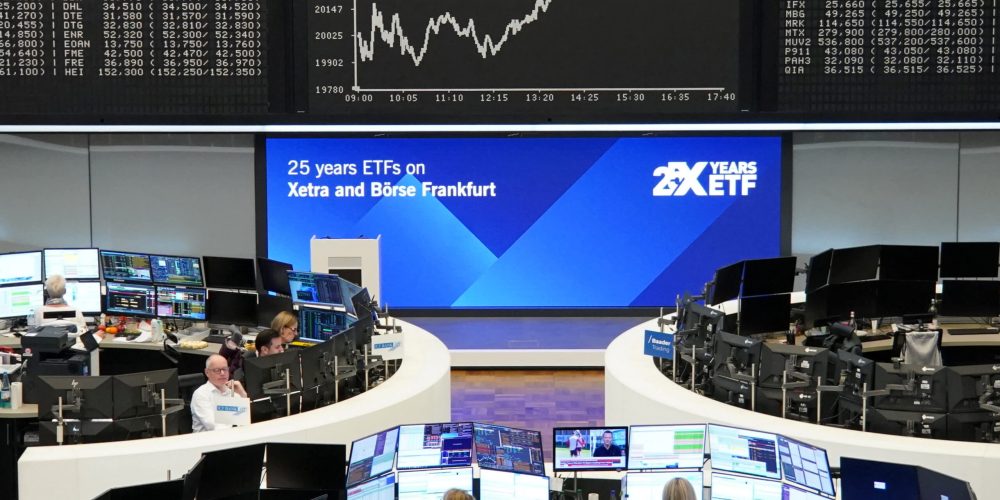
- European equity markets remained largely unchanged at Tuesday’s opening session, as traders balanced cautious corporate outlooks with ongoing volatility in the Middle East.
- Energy and defense sectors outperformed the broader market, driven by sustained high crude prices and increased security spending across the Eurozone.
- The pan-European STOXX 600 index showed minimal movement in early trading, reflecting a “wait-and-see” approach ahead of key inflation data releases later this week.
Equity markets across Europe opened with little direction on Tuesday, signaling a period of consolidation as investors digest a complex mix of regional conflict and shifting economic indicators. The STOXX 600, a broad benchmark for the continent’s financial health, hovered near flat levels in the first hour of trading. This lack of momentum follows a volatile start to the week, where concerns over energy supply routes and regional stability triggered a flight to safety in traditional havens like gold and government bonds.
The primary factor anchoring market sentiment is the continued tension in the Middle East, which has created a bifurcated landscape for listed companies. While the broader indices struggled for traction, energy giants saw modest gains as Brent crude futures remained elevated. Investors are increasingly pricing in a “risk premium” on oil, benefiting major producers but simultaneously raising fears of renewed inflationary pressure for the wider manufacturing and transport industries. Defense contractors also saw localized rallies, reflecting a broader trend of increased military procurement cycles across NATO-aligned nations.
In contrast, consumer-facing sectors and the technology industry faced moderate headwinds. Higher energy costs are perceived as a direct threat to household spending power, leading to a cautious outlook for retail and travel stocks. Meanwhile, the technology sector is grappling with the implications of higher bond yields, which often devalue the future earnings of high-growth companies. Analysts suggest that until there is a clear de-escalation in regional hostilities, the “risk-off” sentiment will likely prevent any significant sustained rally in cyclical stocks.
Financial institutions and banks provided some support to the indices, bolstered by the prospect of interest rates remaining “higher for longer.” Recent commentary from central bank officials suggests that the timeline for rate cuts may be pushed back if energy-driven inflation persists. This environment allows commercial lenders to maintain healthy net interest margins, though it also raises concerns about potential loan defaults if the broader economy begins to stagnate under the weight of high borrowing costs.
The German DAX and the French CAC 40 both mirrored the steady open of the STOXX 600, showing only fractional changes. Corporate earnings reports released this morning were a mixed bag, with some industrial firms beating expectations on cost-cutting measures while others lowered guidance due to supply chain disruptions. The divergence in performance highlights the uneven nature of the post-pandemic recovery, which is now being further tested by geopolitical shifts.
Looking ahead to the remainder of the week, the market focus is expected to shift toward consumer price index (CPI) data from the Eurozone’s largest economies. These figures will be crucial in determining the next move for the European Central Bank. If inflation remains sticky, the likelihood of a summer rate cut diminishes, potentially putting further pressure on equity valuations. Traders are also keeping a close watch on any official diplomatic statements regarding the Middle East, as any sign of a ceasefire or a widening of the conflict would likely trigger immediate market volatility.
For now, the prevailing mood on European trading floors is one of careful observation. Portfolio managers are reportedly rebalancing toward defensive positions, favoring companies with strong balance sheets and reliable dividend yields. As the global landscape remains unpredictable, the ability of European firms to navigate rising input costs and geopolitical uncertainty will be the defining theme for the first quarter of 2026.









