

KEY POINTS
- The social justice movement sparked by the 2021 Atlanta spa shootings is losing national momentum.
- Internal ideological disagreements over law enforcement and public safety have created a rift within the community.
- Activists report that a shift in federal administration and funding cuts have hindered recent progress.
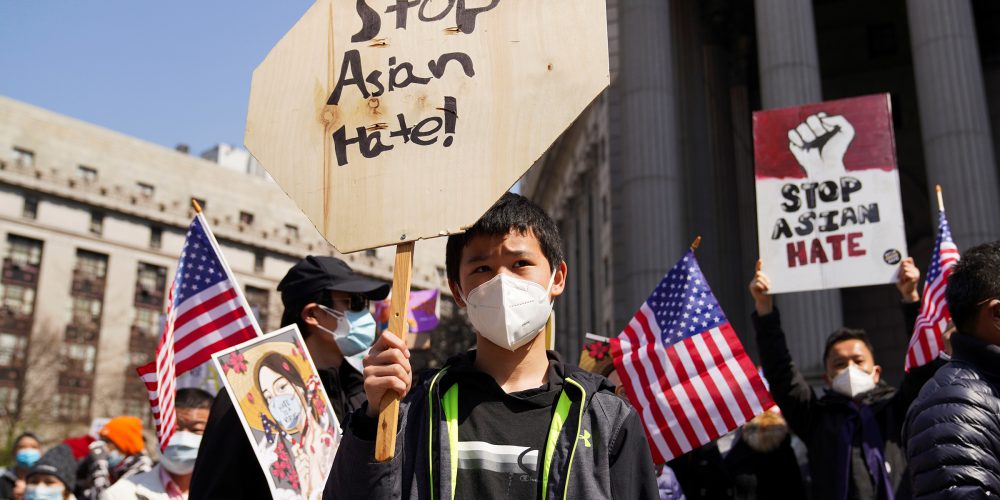
The movement to combat anti-Asian violence is currently navigating a period of significant uncertainty. Today marks exactly five years since the devastating shooting at three Atlanta-area spas. That tragedy resulted in the deaths of eight people, including six women of Asian descent. In the immediate aftermath, the Stop Asian Hate campaign emerged as a powerful national force for social change.
The 2021 attacks initially galvanized a broad coalition of activists, business leaders, and students. This collective energy led to historic policy changes and increased visibility for the Asian American community. For a brief period, it seemed the movement would define the decade’s civil rights landscape. However, recent analysis suggests that the early momentum has stalled in the face of new challenges.
One primary obstacle involves deep ideological divides regarding the role of police in society. Younger activists often advocate for community-based safety measures and non-carceral interventions. Meanwhile, older generations and business owners frequently push for a stronger law enforcement presence in vulnerable neighborhoods. These conflicting visions have made it difficult for the community to speak with a single voice on safety.
The political climate has also shifted dramatically since the movement’s peak years. The current administration has implemented more aggressive anti-immigrant policies that directly affect many Asian families. Funding for diversity initiatives and non-profit organizations led by minorities has seen significant reductions. These financial cuts have forced many local advocacy groups to scale back their operations or close entirely.
Furthermore, a decline in media attention has contributed to the movement’s slowing progress. Several major news outlets that previously prioritized Asian American issues have recently shuttered their specialized departments. Without consistent national coverage, the specific struggles of Asian women and migrants often remain invisible to the public. Activists warn that this lack of attention allows hate incidents to go unreported and unaddressed.
Recent data indicates that the daily realities for many Asian immigrants have grown increasingly difficult. Reports of ICE arrests and workplace discrimination have trended upward in several major metropolitan areas. Many community members still feel a sense of unease while navigating public spaces. Despite the legislative wins of previous years, the structural causes of racial violence remain largely unchanged.
Leaders within the movement are now calling for a more sustainable and intentional strategy. They believe that addressing the vast inequities between different ethnic groups under the Asian umbrella is essential. A unified vision must account for the unique experiences of refugees, low-wage workers, and professional classes. Intergenerational conversations are viewed as the most effective tool for building long-term resilience.
As the community remembers the victims of the Atlanta tragedy, the focus remains on the future. The movement is now at a crossroads, requiring a new approach to achieve lasting safety and belonging.









