

KEY POINTS
- The cost to clear the local road repair backlog has surged to a historic peak.
- Extreme weather events and aging infrastructure continue to accelerate surface deterioration.
- Industry experts warn that current funding levels remain insufficient for long-term road stability.
Local authorities in England and Wales face a massive crisis regarding the state of their roads. A recent annual survey reveals that the repair backlog has reached an unprecedented financial peak. The total amount required to fix local streets now exceeds billions of pounds. This figure reflects decades of underfunding and reactive maintenance strategies.
Local roads represent the largest part of the highway network. They carry pedestrians, cyclists, and the majority of commercial traffic. However, the structural integrity of these routes is declining rapidly. Many local councils report that their budgets cannot keep up with the rate of decay.
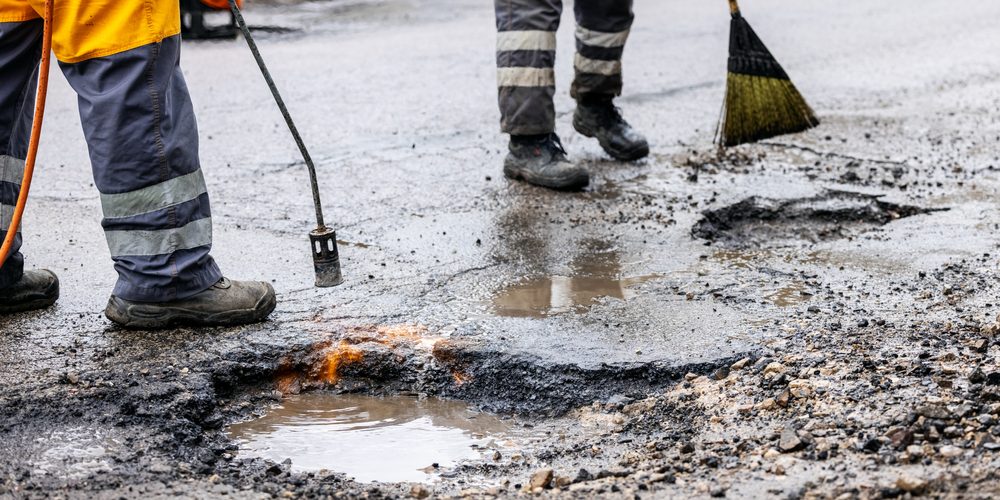
Environmental factors play a significant role in this ongoing infrastructure struggle. Severe rainfall and fluctuating temperatures create ideal conditions for surface failures. Water enters small cracks in the asphalt and expands during cold snaps. This process physically forces the road surface apart.
The survey highlights that temporary patches are no longer a sustainable solution. Councils often rely on quick fixes to keep roads operational in the short term. These reactive repairs typically fail within a year or two. Industry leaders advocate for a proactive resurfacing approach instead.
Resurfacing entire stretches of road provides a waterproof seal for the foundation. This method prevents the deep structural damage that leads to massive potholes. Unfortunately, many local authorities lack the guaranteed long-term funding to plan such projects.
The disparity between different regions remains a major concern for the industry. Some councils manage to maintain their networks with relatively stable outcomes. Others are seeing a complete collapse of their secondary road systems. This inconsistency creates a varied experience for drivers depending on their location.
The financial burden on motorists is another critical aspect of the report. Poor road surfaces cause significant damage to tires and suspension systems. These repair costs fall directly on the shoulders of the public. This situation adds further pressure to household budgets already strained by rising costs.
Government funding has seen some increases, but inflation has eroded much of that value. The cost of raw materials like bitumen and energy has climbed sharply. This means that councils can afford fewer actual repairs for the same amount of money.
The report suggests that a multi-year funding settlement is necessary for recovery. Short-term grants do not allow for the efficient planning of major works. Stable investment would let contractors hire staff and invest in more efficient machinery.
Without a significant shift in strategy, the network will continue to crumble. Experts believe the window to save many local roads is closing fast. Consistent and targeted investment remains the only way to reverse this trend.
The findings serve as a stark warning to policymakers about the state of national infrastructure. The safety and efficiency of the transport network depend on reliable local streets.









