

KEY POINTS
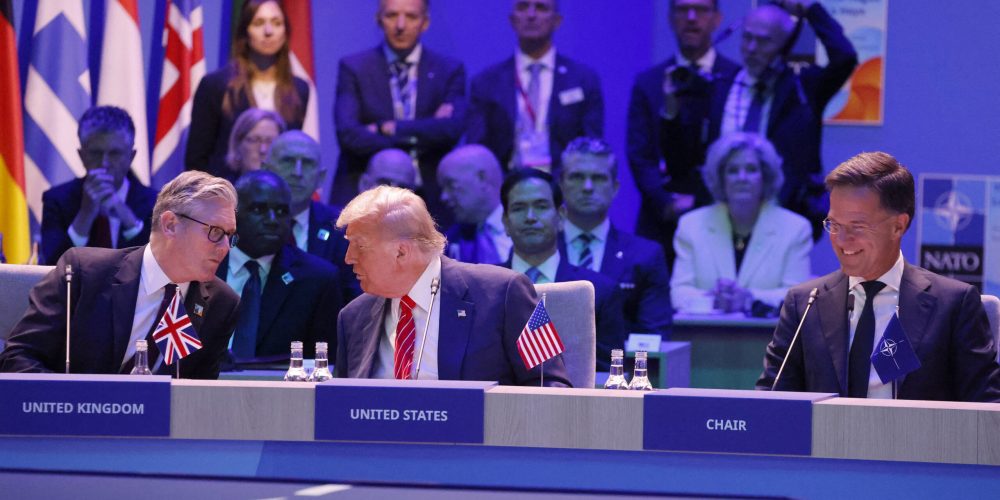
- A senior UK minister states the nation is not required to meet every transactional request from Washington.
- The diplomatic friction centers on American pressure for British military involvement in the Middle East.
- London emphasizes maintaining a foreign policy based on national interests rather than external ultimatums.
A high-ranking member of the British government has issued a firm response to recent pressure from the United States. The minister clarified that the United Kingdom maintains its own sovereign decision-making power. This statement follows several public demands from the American administration regarding international security and trade. The official suggested that the era of automatic compliance with Washington’s requests has passed.
The current tension involves a specific push for British naval assets in the Strait of Hormuz. The White House recently linked future trade favors to active military support in the Gulf region. This transactional style of diplomacy has caused visible discomfort within the halls of Westminster. British leaders are now signaling that they will not be coerced into military escalations.
The minister emphasized that the relationship between the two historic allies remains fundamentally strong. However, they noted that a partnership should not involve one side dictating terms to the other. The UK government intends to evaluate every international request based on its own merits and risks. This approach marks a shift toward a more independent British global strategy.
Public opinion in the United Kingdom remains divided over the prospect of another conflict in the Middle East. Many citizens remember the long-term consequences of previous interventions led by the United States. Lawmakers are wary of committing resources to a mission without a clear exit strategy. The government is feeling significant pressure from the public to avoid unnecessary military entanglement.
Economic experts suggest that the threat of trade retaliation from the US is a serious concern. The American administration has hinted at tariffs for nations that do not align with its security goals. Despite these risks, the British minister argued that national dignity and safety must come first. They believe that giving in to every demand sets a dangerous precedent for the future.
Furthermore, the UK is looking to diversify its international partnerships to reduce reliance on a single ally. This includes strengthening ties with European neighbors and emerging markets in Asia and South America. By broadening its diplomatic reach, London hopes to gain more leverage in negotiations with the White House. This strategy aims to protect the British economy from sudden shifts in American policy.
Opposition figures have largely supported the government’s stance on maintaining foreign policy independence. They argue that the United Kingdom must lead with its own values rather than following a transactional agenda. This rare moment of cross-party agreement highlights the seriousness of the current diplomatic rift. Both sides of the aisle agree that the national interest must remain the top priority.
The coming weeks will likely see more intense negotiations between diplomats from both countries. The world is watching to see if the United Kingdom will stand its ground or eventually yield. For now, the message from London is clear regarding its refusal to follow every American command.









