

KEY POINTS
- The United States administration has issued a formal request for global partners to contribute naval resources to protect commercial shipping in the Strait of Hormuz.
- Japan and Australia have both officially declined the request, stating they have no current plans to deploy military assets to the regional maritime security mission.
- The diplomatic push comes amid rising concerns over the stability of global energy supply chains and the security of the world’s most critical maritime chokepoint.
The United States has initiated a fresh diplomatic effort to internationalize the security of the Strait of Hormuz, calling on major oil-importing nations to take a more active role in patrolling the strategic waterway. In a series of statements issued this week, the American administration argued that the burden of securing international shipping lanes should be shared more equitably among the countries that rely most heavily on the region’s energy exports. This call for a multinational naval coalition has met immediate resistance from key Pacific allies.
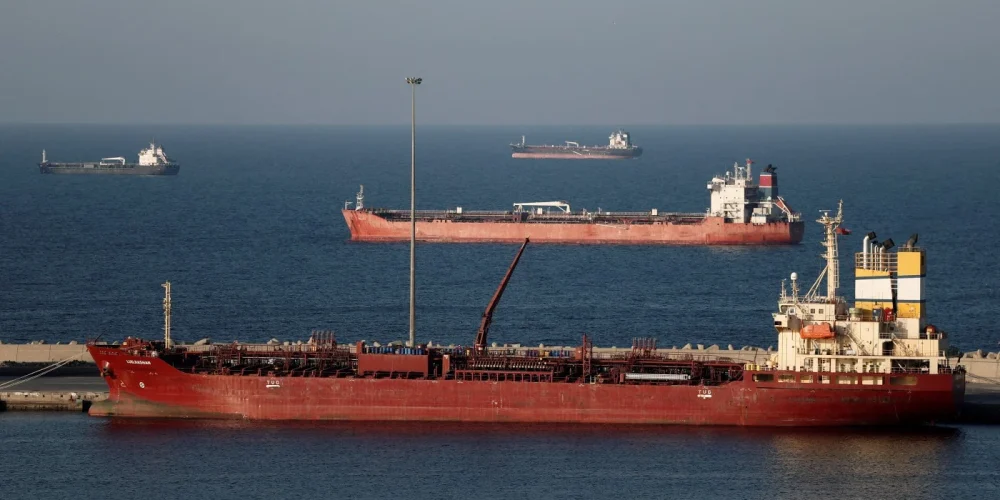
The Strait of Hormuz remains the most significant maritime transit point for the global oil industry, with approximately one-fifth of the world’s total oil consumption passing through the narrow passage every day. The U.S. position is that since many nations, particularly those in Asia and Europe, are the primary beneficiaries of this traffic, they should provide the hardware and personnel necessary to deter threats to commercial tankers. This “burden-sharing” approach has become a central pillar of current American foreign policy regarding international trade routes and military expenditures.
Despite the pressure from Washington, both Japan and Australia were quick to clarify their positions. Tokyo announced that it has no intention of joining a U.S.-led naval mission at this time, citing a preference for independent diplomatic efforts and the legal constraints of its self-defense forces. Japan has historically maintained its own separate information-gathering mission in the region but has remained cautious about integrating into a combat-ready coalition that could escalate tensions with regional powers.
Similarly, the Australian government confirmed that it is not currently considering a military deployment to the Middle East. Canberra’s decision reflects a broader trend among some traditional allies to prioritize regional security closer to home rather than committing resources to distant maritime disputes. This coordinated refusal from two of America’s most reliable partners in the Indo-Pacific highlights a significant divergence in how different nations view their responsibilities toward global commons and international security.
The refusal by Japan and Australia presents a challenge for the U.S. administration’s strategy of building broad-based alliances to manage global hotspots. Without the participation of major maritime powers, any security mission remains largely an American-led operation, which carries both higher financial costs and increased political risks. Analysts suggest that the reluctance of allies may stem from a desire to avoid being drawn into a direct conflict and a preference for de-escalating regional tensions through multi-lateral dialogue rather than naval posturing.
For the energy markets, the lack of a unified international patrol force adds a layer of uncertainty. While the Strait remains open and functional, the ongoing debate over who is responsible for its defense often leads to volatility in oil prices. Energy analysts are watching closely to see if the U.S. will move forward with a more limited mission or if it will continue to lean on diplomatic pressure to secure commitments from other major importers like South Korea or European nations.
The current administration has made it clear that it views the protection of trade as a global responsibility that should not rest solely on American shoulders. However, the cool reception from Canberra and Tokyo suggests that the era of automatic consensus on such missions may be shifting. As the U.S. continues to recalibrate its global footprint and demand greater contributions from allies, the question of who pays for and protects the arteries of global commerce remains one of the most contentious issues in modern international relations.









