

KEY POINTS
- The Biden administration is moving to update federal standards for facilities using ethylene oxide, a gas critical for medical device sterilization but linked to increased cancer risks.
- Proposed rules aim to reduce chemical emissions by up to 90% at commercial sterilization plants through the implementation of advanced air pollution control technologies.
- The plan includes a tiered compliance timeline, allowing smaller facilities more time to adapt while requiring immediate monitoring upgrades at larger industrial sites.
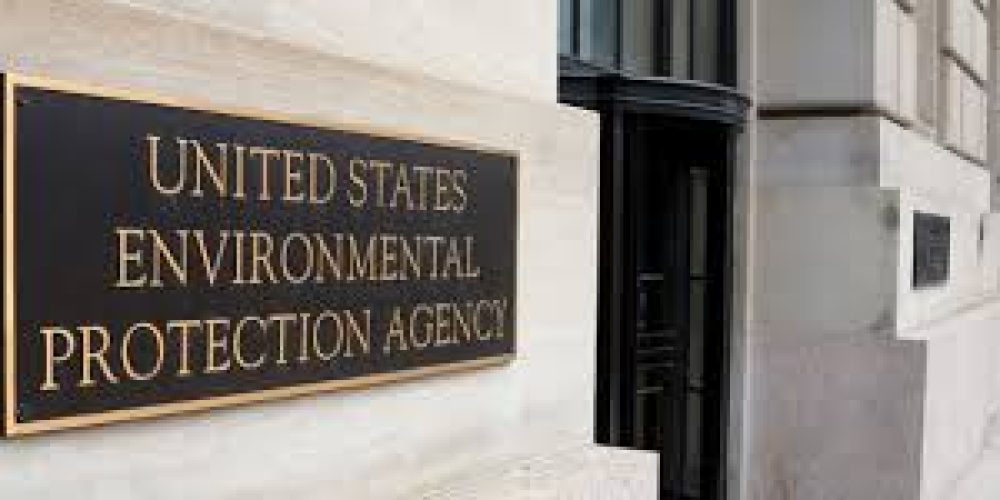
The United States Environmental Protection Agency has unveiled a comprehensive proposal to tighten restrictions on ethylene oxide emissions, a move designed to balance public health protections with the stability of the medical supply chain. Ethylene oxide is a colorless, odorless gas used to sterilize approximately 20 billion medical devices in the US every year, including heart valves, bandages, and surgical kits. While the gas is highly effective at killing microorganisms, long-term exposure has been classified by federal health officials as a significant cancer risk for workers and residents living near sterilization plants.
The new regulatory framework represents the first major update to these specific air toxicity standards in nearly two decades. Under the proposed guidelines, commercial sterilizers would be required to install permanent total enclosure systems and advanced scrubbing technology to capture fugitive emissions. The EPA estimates that these measures will drastically reduce the lifetime cancer risk for impacted communities, particularly those in historically underserved areas where industrial facilities are often concentrated.
One of the primary challenges facing regulators is ensuring that the new safety mandates do not inadvertently cause shortages of life-saving medical equipment. Approximately 50% of all sterile medical devices in the US are processed using ethylene oxide because the gas can permeate packaging and reach intricate surfaces without damaging sensitive materials like plastic or electronics. To mitigate this risk, the EPA has coordinated closely with the Food and Drug Administration to develop a compliance schedule that allows for technical upgrades without shutting down entire production lines simultaneously.
The proposal also introduces more rigorous reporting and monitoring requirements. Facilities would be tasked with using highly sensitive equipment to detect leaks in real-time, providing more transparent data to both the government and the public. For years, community advocates have argued that previous monitoring methods were insufficient for detecting the low concentrations of the gas that can still pose long-term health threats. The new rules aim to close these loopholes by standardizing how and where air quality samples are collected around the perimeter of these sites.
Industrial trade groups have expressed a mix of cooperation and concern regarding the feasibility of the timelines. While many companies have already begun voluntarily upgrading their systems, the cost of retrofitting older plants can be substantial. The EPA’s plan attempts to address this by offering a tiered approach, giving smaller operations up to three years to achieve full compliance, while larger facilities with higher emission volumes must act more quickly. This strategy is intended to prevent a bottleneck in the sterilization process that could delay surgeries and emergency medical care nationwide.
Environmental justice is a central theme of this legislative push. Administrator Michael Regan has emphasized that the goal is to provide the same level of protection to every community, regardless of their zip code. Recent studies have highlighted that certain “cancer clusters” are linked to the concentration of these sterilization plants, often in neighborhoods with lower property values and less political influence. By setting a strict federal ceiling on emissions, the administration hopes to eliminate these disparities and hold corporations to a higher standard of communal responsibility.
The public comment period for the proposed rule is expected to draw significant input from health experts, industry lobbyists, and local activists. Once finalized, the regulations will likely set a global precedent for how developed nations handle the intersection of industrial chemistry and public health. As the medical industry continues to grow, finding a sustainable and safe way to maintain sterile environments remains a top priority for federal health agencies.









