

KEY POINTS
- Major economies introduced emergency price caps to stabilize volatile global energy markets.
- A new tiered pricing system helps nations manage dwindling crude oil inventories.
- International energy agencies warn of sustained price pressures due to Middle East tensions.
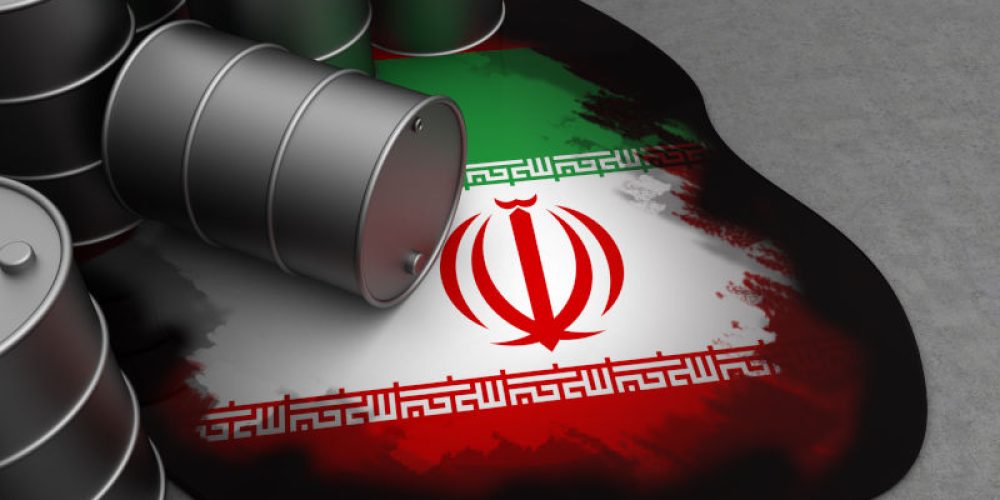
Global energy markets are currently facing a massive disruption in crude oil supplies. The ongoing crisis involving Iran has forced several nations to adopt radical economic measures. Many governments are now implementing strict price caps on petroleum products to protect consumers. These interventions aim to prevent hyperinflation as the cost of energy reaches record highs.
A tiered pricing model, often called a stairs system, is becoming a popular solution. This approach allows essential services to access fuel at lower, subsidized rates. Meanwhile, luxury or non-essential consumption faces significantly higher market prices. This strategy helps prioritize transportation and heating needs during the current shortage.
The supply shock began after international sanctions and regional conflicts halted Iranian exports. Iran previously provided a significant portion of the world’s daily oil requirements. Without this contribution, the global market is struggling to fill a multi-million-barrel deficit. Alternative producers have so far failed to increase their output enough to compensate.
The International Energy Agency recently issued a warning about the long-term impact of this crisis. They suggest that high prices could persist for several months or even years. This outlook has prompted many countries to accelerate their transition to renewable energy sources. However, the immediate demand for oil remains the primary concern for global stability.
Strategic petroleum reserves are also being deployed at an unprecedented rate. The United States and its allies have released millions of barrels to ease the upward price pressure. While these releases provide temporary relief, they also deplete emergency stockpiles. Experts worry about the lack of a safety net if the conflict escalates further.
Developing nations are feeling the most severe effects of the rising fuel costs. Many of these countries lack the financial resources to subsidize energy for their citizens. This has led to widespread protests and economic instability in several regions. International organizations are currently discussing financial aid packages to prevent a total humanitarian disaster.
Corporate sectors are also adjusting their operations to survive the energy crunch. Logistics companies are increasing their surcharges to cover the rising cost of diesel. Many manufacturers are reducing their production hours to save on electricity and fuel expenses. These changes are expected to increase the price of consumer goods globally.
The current situation highlights the fragility of the global energy supply chain. Political leaders are under intense pressure to find a diplomatic resolution to the Iran crisis. Until a stable supply returns, the world must rely on these complex pricing strategies. The success of these measures will determine the health of the global economy in 2026.









