

KEY POINTS
- Representative Joyce Beatty filed a lawsuit to block the Kennedy Center from being renamed.
- The legal challenge disputes the board’s authority to add Donald Trump’s name to the venue.
- A federal judge is reviewing requests to release secret documents regarding a planned two-year remodel.
A prominent federal lawmaker is taking legal action to stop the transformation of the John F. Kennedy Center for the Performing Arts. Representative Joyce Beatty, an Ohio Democrat, serves as an ex-officio trustee for the iconic Washington venue. She argues that recent board decisions to rebrand the center are illegal under federal law.
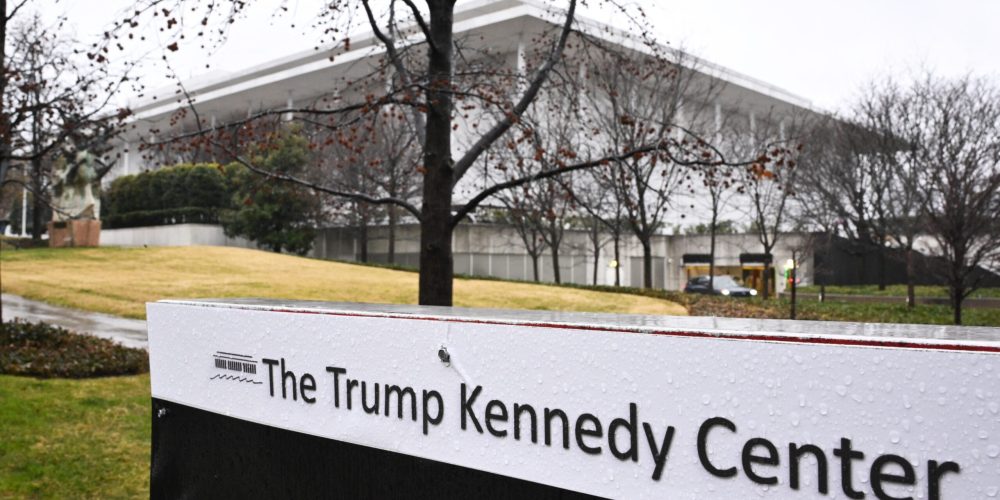
The conflict began when the board voted to add Donald Trump’s name to the facility. This move occurred during a December meeting that Beatty describes as a sham. She claims she was silenced and muted during the virtual session when she tried to object. Physical and digital signs featuring the new branding appeared at the site immediately after the vote.
The lawsuit asserts that only Congress has the power to rename a national memorial. A 1964 law officially designated the center to honor President John F. Kennedy. Legal experts suggest the board may have exceeded its authority by altering this designation. Beatty maintains that the current administration is bypassing legislative processes to fulfill a personal vanity project.
A new development in the case involves a massive $257 million renovation project. Trump allies on the board are planning a complete two-year rebuild of the theater. This project would require the center to close its doors this July. Beatty is now asking a federal judge to force the board to release hidden planning documents.
She argues that she cannot fulfill her oversight duties without seeing these blueprints. The board has reportedly withheld a one-year plan from certain members of the leadership. A Justice Department attorney claimed the information remains private because the president often adds last-minute changes. The presiding judge expressed concern over the lack of transparency for such a significant public institution.
The court must now decide if the board’s actions violate the 1958 National Cultural Center Act. That law requires trustees to maintain the building as a living memorial to the late President Kennedy. The legal team representing Beatty argues that the rebranding effort is void and lacks legal standing.
This dispute highlights a growing tension over the control of national cultural landmarks. Supporters of the change claim the facility needs urgent financial and physical repairs. However, critics view the rebranding as a violation of historical preservation laws. A ruling on the document release is expected before the board’s next scheduled meeting.









