

KEY POINTS
- President Trump signaled an intensification of military operations, promising “hard attacks” against Iran over the coming week.
- The U.S. and Israel targeted Iran’s Kharg Island, a critical oil export hub, while striking military infrastructure in Tehran and Isfahan.
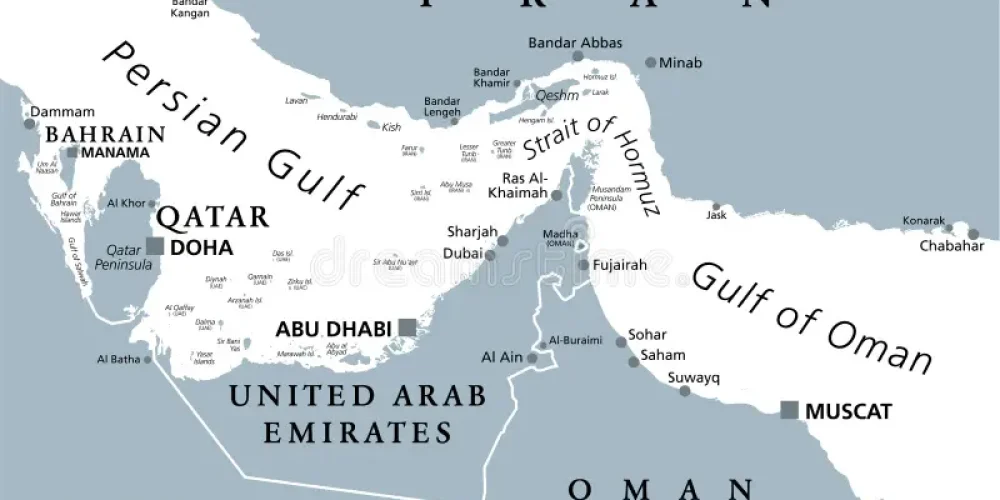
- The effective closure of the Strait of Hormuz has triggered a global energy crisis, with Trump demanding that NATO and Asian allies deploy warships to reopen the route.
The conflict between the United States, Israel, and Iran entered a dangerous new phase on Monday as President Donald Trump warned of a significant escalation in military action. Speaking following a weekend of heavy bombardment, the President stated that U.S. forces would carry out intense strikes against Iranian targets in the coming days, dismissing any immediate prospects for a ceasefire.
A central focus of the recent operations has been Kharg Island, through which approximately 90% of Iran’s oil exports flow. Trump claimed U.S. strikes had “totally demolished” military installations on the island, though he noted that energy infrastructure had been spared “for reasons of decency”—for now. He warned that this decision would be reconsidered if Iran continues to blockade the Strait of Hormuz, which has remained virtually closed to commercial shipping for over two weeks.
The military campaign has not been limited to maritime targets. The Israeli military confirmed a “wide-scale wave of strikes” targeting “terror regime infrastructure” in Tehran. Meanwhile, Iran’s Cultural Heritage Ministry reported that more than 50 historic sites, including the 14th-century Golestan Palace, have been damaged by the combined U.S.-Israeli air assault.
Tehran has responded with asymmetric tactics, including the deployment of naval mines and drone attacks against U.S. assets and allied infrastructure in the Gulf. A senior Iranian official reportedly suggested that a limited number of tankers could be allowed through the Strait if oil is traded in Chinese yuan, a move seen by analysts as an attempt to bypass the U.S. dollar and draw Beijing into the conflict as a “security guarantor.”
President Trump has used the disruption of global energy flows to pressure international allies. In an interview with the Financial Times, he warned that the future of NATO would be “very bad” if member states did not contribute to a naval coalition to secure the waterway. While the UK has considered sending mine-hunting drones, other nations like Japan and France have expressed reluctance to commit warships during the “hottest phase” of the war.
Domestically, the conflict has drawn scrutiny. Senator Mark Warner, Chairman of the Senate Intelligence Committee, stated that there was “no imminent threat to the United States” before the initial strikes were launched in late February. However, the Trump administration maintains that the “pre-emptive” strikes were necessary to prevent a coordinated Iranian attack on Israel and regional U.S. bases.
As oil prices climb toward $105 per barrel, the economic toll is mounting. The Pentagon has identified several U.S. service members killed in the region since the outbreak of hostilities, while Lebanese health authorities report that over 850 people have died in Israel’s parallel campaign against Hezbollah. With both Washington and Tehran signaling a readiness for a “long confrontation,” the risk of the conflict engulfing the broader Middle East remains at its highest point in decades.









