

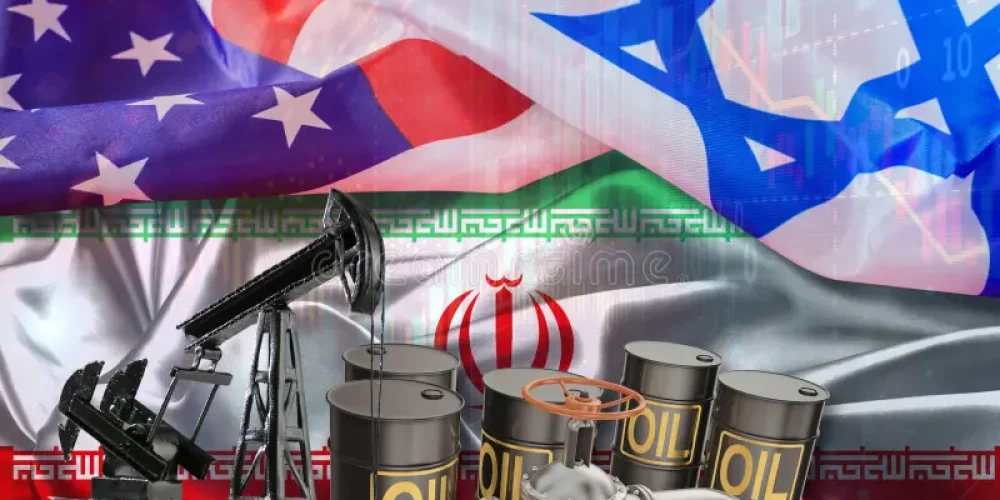
KEY POINTS
- Heightened military tensions in the Persian Gulf have placed major energy infrastructure at risk, specifically focusing on Iran’s primary export terminals.
- Market analysts warn that any disruption to Kharg Island could remove millions of barrels of crude oil from the daily global supply.
- The United States administration is maintaining a firm stance on regional security while navigating the complex diplomatic landscape between Israel and Iran.
The global energy market is facing renewed uncertainty as geopolitical friction in the Middle East threatens critical oil infrastructure. Financial experts and political analysts are closely monitoring the situation surrounding Kharg Island, which serves as the central hub for Iranian crude oil exports. The island handles the vast majority of the nation’s oil shipments, making it a pivotal point of vulnerability in the event of an escalating military conflict. Any targeted action against this facility could have immediate and far-reaching consequences for international fuel prices.
The current diplomatic climate has become increasingly strained, with the United States government taking a more assertive role in regional dynamics. Washington is balancing its support for regional allies with the urgent need to prevent a wider conflagration that could destabilize the global economy. Observers note that the strategic importance of the Strait of Hormuz and surrounding energy assets has forced energy traders to factor a significant “risk premium” into current oil valuations.
Military strategists suggest that the potential for a direct confrontation has reached a critical threshold. If regional hostilities lead to an interruption of activities at major terminals, the sudden loss of supply would likely trigger a sharp spike in crude prices, affecting everything from transport costs to manufacturing. While some global reserves exist to mitigate short-term shocks, a prolonged disruption could challenge the energy security of several major economies that rely on consistent shipments from the region.
The Israeli government continues to weigh its security options in response to perceived threats, further complicating the international response. This delicate situation requires careful navigation by American officials, who are tasked with deterring aggression while ensuring that vital trade routes remain open. The threat to Kharg Island is not merely a regional concern but a global economic one, as it represents a significant portion of the world’s spare production capacity and export flow.
Industry leaders are watching for signs of de-escalation, but current rhetoric suggests a high state of readiness on all sides. The potential for miscalculation in such a volatile environment remains a primary worry for the international community. Beyond the immediate impact on oil, a broader conflict could disrupt general maritime trade in one of the world’s most congested shipping lanes, leading to secondary inflation in consumer goods and commodities.
As the situation evolves, the focus remains on whether diplomatic channels can successfully lower the temperature before military actions become unavoidable. The international community is urging restraint, recognizing that an energy crisis fueled by conflict would hinder global economic recovery efforts. For now, the energy sector remains on high alert, with all eyes on the Persian Gulf and the strategic decisions being made in world capitals.









