

KEY POINTS
- Senior administration officials are offering conflicting strategies as the military engagement reaches a stalemate.
- President Donald Trump remains focused on a swift resolution that avoids long-term foreign entanglements.
- Internal debates center on whether to intensify military pressure or pursue an immediate diplomatic exit.
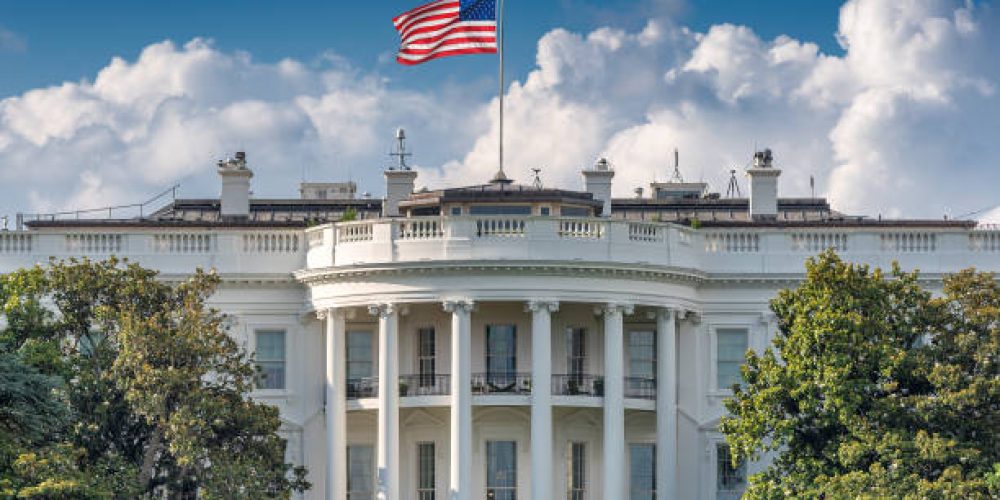
The White House is currently the site of intense internal debates regarding the trajectory of the ongoing conflict with Iran. As the military confrontation enters its second week, various factions within the administration are vying for influence. These advisors are presenting the President with vastly different paths to resolve the hostilities.
One group of national security officials argues for a significant escalation of force to ensure a decisive victory. They believe that a crushing military blow is necessary to permanently dismantle regional threats. This faction worries that a premature withdrawal would project weakness to other global adversaries.
Conversely, a second group of aides is pushing for an immediate transition to the negotiating table. These advisors are wary of the rising financial and human costs associated with a prolonged war. They emphasize the President’s campaign promise to end “endless wars” and focus on domestic American priorities.
President Donald Trump is reportedly listening to both sides while maintaining his own skeptical view of overseas commitments. He has expressed frustration with the lack of a clear and rapid conclusion to the current operations. The President appears to be searching for a “third way” that secures American interests without a permanent troop presence.
The power struggle among staff has created a complex environment for military planning at the Pentagon. Commanders are seeking a unified directive to guide their actions on the ground and in the air. Without a singular strategy, the risk of a strategic drift or unintended escalation remains high.
External diplomatic pressure from European and Asian allies is also weighing on the administration’s decision-making process. Foreign leaders are urging the United States to prioritize regional stability and prevent a total energy crisis. The White House must balance these international concerns with its own “America First” policy framework.
Analysts suggest that the outcome of this internal rivalry will define the administration’s foreign policy legacy. A successful de-escalation could solidify the President’s reputation as a deal-maker who avoids quagmires. However, an inconclusive stalemate could drain resources and political capital ahead of future domestic challenges.
Economic advisors are also participating in these high-level discussions due to the conflict’s impact on global markets. Rising fuel costs and supply chain disruptions are beginning to affect the American economy. The administration is acutely aware that domestic prosperity is closely linked to the duration of the fighting.
Public messaging from the White House has remained defiant, even as private debates continue behind closed doors. Press officials are working to project an image of strength and unity to both domestic audiences and foreign rivals. They maintain that all options remain on the table to protect American security and interests.
The next several days are expected to be critical for the direction of the conflict. The President’s choice of which advisor to follow will determine if the U.S. leans into a broader war or finds an exit. For now, the administration remains at a crossroads with the world watching its next move.









