

KEY POINTS
- Hostilities show no signs of slowing down as the confrontation approaches its fourteenth day.
- Both participating factions continue to reinforce their front lines with more troops and hardware.
- Diplomatic efforts remain stalled while the humanitarian crisis in affected areas deepens.
The intense military struggle between regional forces shows no indication of a ceasefire as it enters its second week. Combat operations have maintained a high level of intensity across multiple fronts since the initial outbreak of violence. Both sides appear to be preparing for a prolonged engagement rather than a quick resolution.
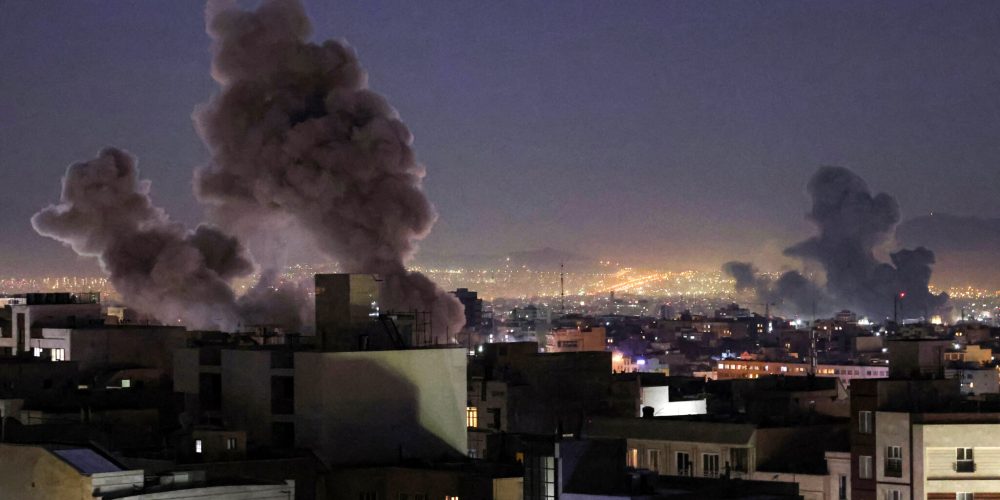
Strategic reports indicate that heavy shelling and aerial strikes have targeted critical infrastructure on both sides. Commanders in the field describe the situation as a stalemate with neither faction gaining a definitive territorial advantage. The constant movement of armored divisions suggests a continued commitment to the current offensive strategies.
Internal political pressure is mounting within the involved nations to achieve a visible victory. Leaders have issued defiant public statements promising to continue operations until their specific security objectives are met. This rhetoric has further complicated the possibility of an immediate diplomatic breakthrough or a temporary truce.
The impact on local civilian populations has reached a critical level according to international monitoring groups. Thousands of residents have fled the primary combat zones to seek safety in neighboring regions. Essential services like electricity and clean water remain interrupted in several major urban centers.
Global energy markets are reacting to the continued instability with significant price fluctuations. International observers worry that a further expansion of the conflict could disrupt vital shipping lanes in the area. Several nations have issued urgent travel warnings for the entire region to protect their citizens abroad.
Diplomatic representatives from neutral countries have attempted to mediate the crisis with little success. Formal negotiations have not yet been scheduled as both parties maintain rigid preconditions for any dialogue. The lack of communication between the high commands increases the risk of further unintended escalations.
Military analysts suggest that the next few days will be pivotal for the long-term trajectory of the war. Logistics and supply chains are starting to show signs of strain after fourteen days of high-intensity consumption. The ability of either side to sustain these operations will determine their leverage in future talks.
International aid organizations are struggling to deliver food and medical supplies to those trapped by the fighting. Restricted access to the most affected areas has hindered the assessment of the total damage. Relief groups are calling for an immediate humanitarian corridor to allow for the safe passage of non-combatants.
The global community remains deeply divided on how to address the growing security crisis. Some major powers are calling for immediate sanctions while others urge a policy of non-interference. This lack of a unified international response has allowed the fighting to continue without external mediation.
As the conflict passes the two-week mark, the focus remains on the rising human cost of the war. Both sides remain deeply entrenched in their positions with no clear path toward a peaceful settlement. The world continues to watch the situation with growing concern for broader regional stability.









