

KEY POINTS
- Combat operations between opposing forces show no signs of slowing as the regional confrontation approaches the fourteen-day milestone.
- Military leaders on both sides have reinforced frontline positions, signaling a preparation for a prolonged period of high-intensity engagement.
- International diplomatic efforts remain stalled while civilian infrastructure damage and displacement rates continue to climb across affected zones.
The military conflict involving Iran has reached a critical juncture as it nears the end of its second week with both sides deepening their defensive lines. Current battlefield reports indicate that instead of moving toward a ceasefire, the involved parties are committing more resources to the front. This hardening of positions suggests that the initial hopes for a swift resolution have faded, replaced by the reality of a sustained and potentially grinding war of attrition.
Strategic maneuvers over the last several days reveal a focus on securing key logistics hubs and energy infrastructure. Air strikes and artillery exchanges have intensified in several border regions, leading to a significant increase in the tempo of operations. Military analysts observe that both sides are utilizing sophisticated weaponry and drone technology to gain tactical advantages, though neither has achieved a decisive breakthrough. The stalemate on the ground is being met with a surge in reinforcements, as additional hardware and personnel are moved toward the active combat theaters.
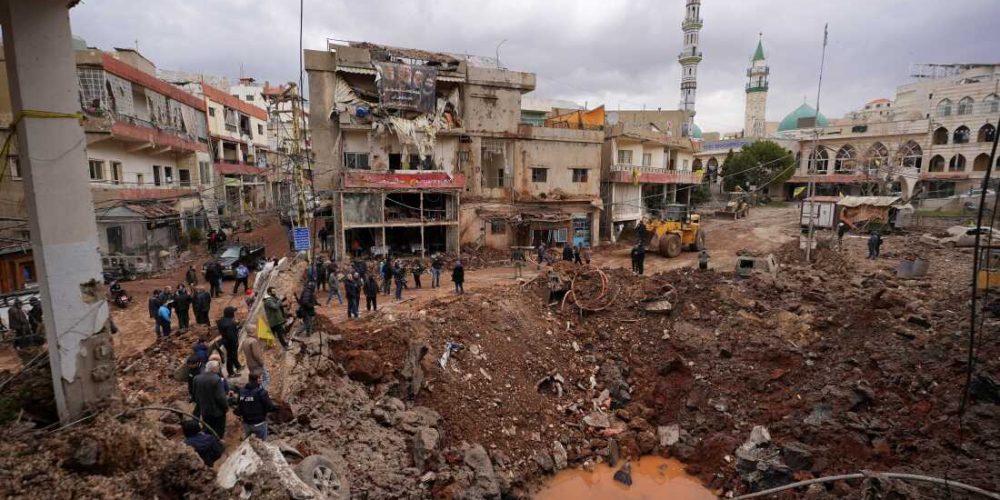
The humanitarian situation is deteriorating rapidly as the fighting enters this new phase. Major urban centers near the conflict zones are reporting severe shortages of essential supplies, including water and medical provisions. International aid organizations have voiced concerns over the difficulty of establishing safe corridors for the delivery of emergency relief. The number of displaced individuals has risen sharply since the start of the week, with many seeking refuge in makeshift camps or neighboring regions that are already struggling to handle the influx.
Diplomatic initiatives from global powers have so far failed to produce a viable path to de-escalation. While several international bodies have called for an immediate cessation of hostilities, the lack of a shared framework for negotiations has kept the warring parties at a distance. Official statements from the combatants remain defiant, with each side insisting that their strategic objectives must be met before any formal dialogue can begin. This diplomatic deadlock is contributing to the volatility of global energy markets, as investors remain wary of the conflict’s long-term impact on regional oil exports.
Economic repercussions are being felt far beyond the immediate borders of the conflict. The prolonged nature of the fighting has disrupted trade routes in the Middle East, leading to increased shipping costs and delays in global supply chains. Financial markets have reacted with heightened sensitivity to every new development, reflecting a broader anxiety about the risk of the war expanding into a wider regional crisis. Central banks in several countries are monitoring the situation closely to assess the potential for long-term inflationary pressure caused by energy price spikes.
The internal stability of the affected regions is also under scrutiny. As the war enters its third week, the focus is shifting toward the sustainability of the military efforts and the resilience of the domestic populations. Public sentiment remains a crucial factor, with government-controlled media outlets on both sides working to maintain national morale despite the growing cost of the campaign. The mobilization of reserves and the redirection of national budgets toward the war effort are likely to have profound social and economic consequences for years to come.
As the international community watches the situation unfold, the risk of miscalculation remains high. With both sides dug in, the potential for a sudden escalation remains a constant threat. The coming days will be instrumental in determining whether the conflict will settle into a long-term standoff or if a new round of offensive operations will break the current deadlock. For now, the focus remains on the frontlines, where the sounds of heavy engagement show no sign of quiet.









