

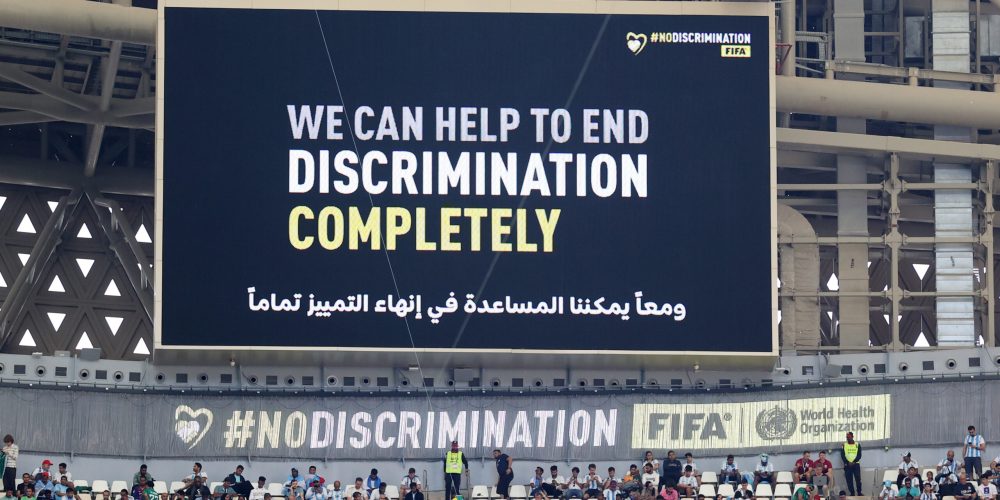
KEY POINTS
- Leading advocacy organizations are calling on FIFA to guarantee safety and equality for all fans in 2034.
- Rights groups express serious concerns regarding the hosting capabilities of nations with restrictive social laws.
- The organizations demand concrete written assurances before the international governing body finalizes tournament details.
Human rights organizations are putting significant pressure on FIFA regarding the future of the World Cup. These groups released a joint statement on Thursday urging football’s governing body to prioritize inclusivity. The demand focuses on protecting marginalized communities and ensuring a welcoming environment for every international visitor.
Advocacy groups are specifically targeting the 2034 tournament preparations currently underway. They argue that selecting host nations with poor human rights records creates a dangerous precedent. The organizations believe FIFA must use its influence to demand legal reforms within prospective host territories.
A primary concern involves the safety of LGBTQ+ fans and female travelers during the global event. Many rights groups point to existing laws in certain regions that criminalize or restrict individual freedoms. They worry that temporary waivers of these laws do not provide enough protection for visitors.
The joint letter calls for a transparent and independent human rights risk assessment. Advocacy leaders want FIFA to publish detailed reports on how they plan to mitigate potential abuses. They insist that the selection of host cities should depend on their commitment to universal human rights.
FIFA has previously stated that it remains committed to upholding human dignity across all its operations. The organization claims that its bidding process now includes more rigorous social and environmental criteria. However, critics argue that these measures are often superficial and lack real enforcement power.
The rights groups also highlighted the plight of migrant workers involved in stadium construction. Past tournaments have faced intense scrutiny over labor conditions and reported worker fatalities. The current demand includes a call for fair wages, safe housing, and the right to collective bargaining.
Prominent organizations like Amnesty International and Human Rights Watch are leading this latest diplomatic push. They believe that football should be a unifying force that does not compromise on basic human ethics. The groups are asking for a formal meeting with FIFA leadership to discuss these requirements.
Public pressure on corporate sponsors is also increasing as part of this broader campaign. Rights groups are encouraging major brands to reconsider their financial support if human rights are sidelined. They believe that financial pressure is the most effective way to force meaningful policy changes.
The international community is watching closely to see how FIFA responds to these formal demands. Past controversies have tarnished the reputation of the World Cup in many Western markets. Governing officials are under pressure to prove that the tournament can be both profitable and ethical.
As the bidding cycle continues, the tension between sporting interests and social justice remains high. Advocacy groups promise to continue their monitoring efforts throughout the next decade. They maintain that the joy of the World Cup should not come at the cost of human suffering.









