

KEY POINTS
- The World Health Organization has raised alarms regarding “black rain” in Tehran and surrounding areas, citing severe risks to public health.
- High concentrations of soot and industrial pollutants mixed with precipitation have created a toxic environmental phenomenon.
- Medical experts advise residents to avoid direct contact with the rain to prevent respiratory issues and skin irritation.
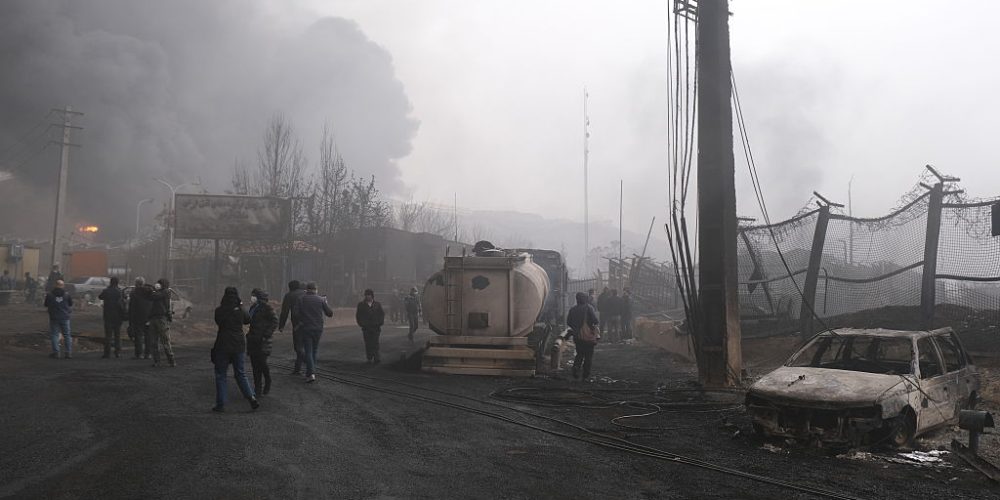
Health officials are sounding the alarm over a dangerous environmental development in the Middle East. The World Health Organization (WHO) issued a formal warning on Tuesday regarding the appearance of black rain in Iran, particularly affecting the capital city of Tehran. This phenomenon occurs when heavy atmospheric pollution, consisting of carbon and chemical particles, binds with moisture in the clouds. The resulting rainfall carries a dark, oily appearance and contains a high density of hazardous materials that pose immediate threats to those exposed.
The situation has reached a critical level due to a combination of stagnant weather patterns and intense industrial activity. For weeks, a thermal inversion has trapped smog over major urban centers, preventing the dispersal of vehicle exhaust and factory emissions. When a recent weather system moved into the region, it gathered these trapped pollutants. Instead of cleansing the air, the rain acted as a carrier for the toxic soot, depositing it directly onto streets, homes, and water sources. Local residents reported visible dark stains on buildings and vehicles following the downpours.
Medical professionals are particularly concerned about the long-term respiratory impact on vulnerable populations. The particles found in black rain are often small enough to be inhaled deep into the lungs, potentially exacerbating asthma and other chronic conditions. The WHO has urged the public to stay indoors during rainfall and to utilize high-quality masks if they must travel outside. There are also significant concerns regarding skin contact, as the acidic and chemical nature of the water can cause dermatological reactions or chemical burns in extreme cases.
The contamination extends beyond immediate physical contact with the rain. Environmental scientists warn that the toxic runoff is entering the local soil and secondary water systems. This poses a secondary risk to food safety and long-term water purity in the affected provinces. Agricultural experts are currently assessing the impact on crops, as the chemical composition of the black rain may alter soil pH levels and introduce heavy metals into the food chain. The Iranian government is facing increasing pressure to implement stricter emission controls to prevent future occurrences.
This event highlights the growing intersection between climate patterns and urban pollution. While Iran has long struggled with air quality, the transition from airborne smog to toxic precipitation represents a significant escalation in the environmental crisis. International monitors are calling for a coordinated regional response to address the root causes of the pollution. Without immediate intervention to reduce the burning of low-quality fuels and industrial output, experts fear these toxic rain events could become a recurring seasonal threat.
As the weather system persists, local authorities have closed schools and limited outdoor commercial activities in the hardest-hit zones. The WHO continues to monitor the situation closely, providing technical guidance to local health departments. For now, the primary focus remains on harm reduction and public education. Residents are encouraged to wash any surfaces that have come into contact with the rain and to seek medical attention immediately if they experience difficulty breathing or unusual skin rashes.









