

KEY POINTS
- The New York state government has formally rejected a federal proposal to restart the Indian Point facility.
- The administration views the plant as a critical solution to the current energy crisis and surging electricity costs.
- State officials cited permanent decommissioning progress and safety risks as primary reasons for their opposition.
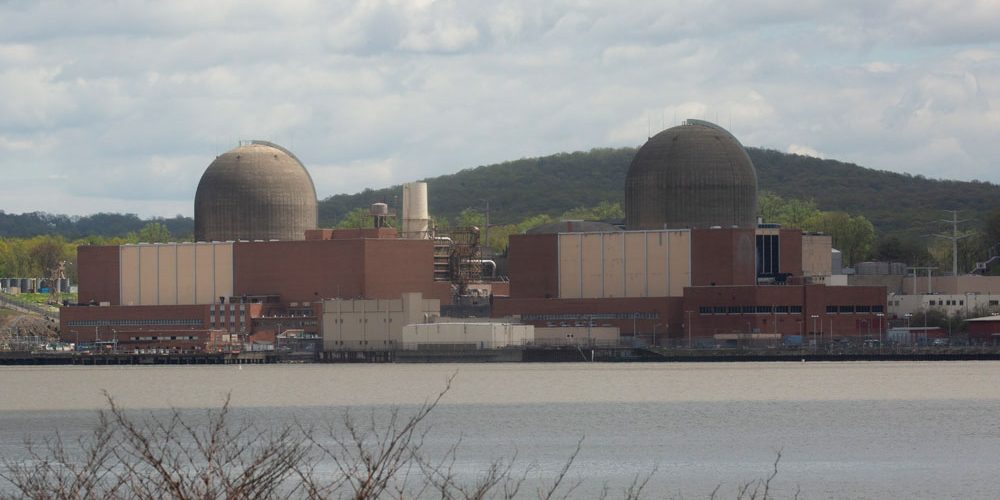
The state of New York has officially clashed with the federal government over the future of the shuttered Indian Point nuclear power plant. On Tuesday, state energy regulators confirmed they would not support a plan to bring the facility back online. This decision directly counters a high-priority push from the current administration to revive dormant nuclear assets.
The White House has championed the reopening of Indian Point as a centerpiece of its national energy strategy. Federal officials argue that the plant’s 2,000-megawatt capacity is essential for stabilizing the regional power grid and reducing consumer bills. As global energy prices remain at record highs due to the Middle East conflict, the administration has urged states to prioritize domestic production over environmental timelines.
However, New York Governor Kathy Hochul’s administration maintains that restarting the plant is neither feasible nor safe. State officials pointed out that the facility, located just 25 miles north of New York City, has already entered an advanced stage of decommissioning. Much of the specialized workforce has relocated, and critical infrastructure has been dismantled since the plant’s final reactor was powered down in 2021.
The legal and logistical hurdles to a restart are substantial. Holtec International, the company currently managing the site’s cleanup, has previously stated that the transition to a decommissioned state is legally binding under state agreements. Furthermore, environmental groups have long argued that the plant’s proximity to a densely populated metropolitan area poses an unacceptable risk in the event of an accident.
Federal proponents of the plan suggest that emergency executive powers could be used to override state-level environmental hurdles. They point to the “National Energy Emergency” declared earlier this year as justification for fast-tracking nuclear permits. Supporters argue that the zero-emission nature of nuclear power makes it a more viable long-term solution than returning to coal or gas-fired plants.
The standoff highlights a growing rift between federal energy directives and state-level climate goals. New York is currently committed to an aggressive transition toward wind and solar energy. State leaders worry that a return to nuclear power at Indian Point would divert resources away from renewable projects and create new long-term storage challenges for radioactive waste.
Local communities near the Buchanan, New York, site are also divided. Some residents welcome the potential return of high-paying jobs and tax revenue that the plant once provided. Others remain staunchly opposed, fearing that a rushed restart of aging reactors could lead to mechanical failures.
The dispute is likely headed for a prolonged legal battle in federal court. The administration has signaled that it will not back down, viewing Indian Point as a vital asset for national security during the current war. Meanwhile, New York remains firm in its stance that the era of nuclear power at that specific site has permanently concluded.









