

KEY POINTS
- The White House has introduced a comprehensive diplomatic proposal aimed at establishing a permanent cessation of hostilities in the Gaza Strip.
- Under the suggested terms, a multi-phase pause in combat would be contingent upon the verified disarmament of regional militant groups.
- International mediators suggest the plan includes provisions for large-scale humanitarian reconstruction managed by a coalition of regional partners.
The United States administration has unveiled a high-stakes diplomatic roadmap designed to end the prolonged conflict in Gaza while simultaneously addressing broader regional security concerns. According to sources familiar with the negotiations, the strategy prioritizes a long-term pause in military operations in exchange for a structured disarmament process. This move represents a significant shift in the international approach to the crisis, attempting to link immediate humanitarian relief with permanent changes to the security landscape of the coastal enclave.
Central to the proposal is a phased withdrawal of combat forces from high-density urban areas. In the initial stage, a temporary truce would allow for the unhindered delivery of medical supplies, food, and fuel to the civilian population. This period would also serve as a window for technical teams to begin the sensitive task of identifying and decommissionining heavy weaponry and subterranean infrastructure. Officials involved in the drafting of the document emphasize that the success of the ceasefire depends entirely on the willingness of all parties to adhere to a strict verification timeline overseen by neutral third-party observers.
The plan also addresses the complex governance challenges facing a post-conflict Gaza. The White House is reportedly advocating for the establishment of a transitional administration composed of technocrats and representatives from Arab partner nations. This body would be tasked with managing billions of dollars in pledged reconstruction aid, ensuring that funds are directed toward essential services like water treatment, electricity, and housing rather than the rebuilding of military capabilities. By involving regional stakeholders directly in the management of the territory, the administration hopes to create a sustainable model for long-term stability.
One of the more ambitious elements of the strategy involves a broader regional “grand bargain” regarding arms control. The proposal suggests that a successful disarmament in Gaza could serve as a pilot program for similar de-escalation efforts in other volatile border regions. This “security-first” doctrine reflects a belief that sustainable peace cannot be achieved through humanitarian aid alone but requires a fundamental shift in the military posture of non-state actors in the region.
Reactions from the ground remain mixed as local leaders weigh the benefits of reconstruction against the demands for total disarmament. While some factions expressed openness to the economic revitalization aspects of the plan, others voiced concerns over the loss of defensive capabilities. Meanwhile, the Israeli government has indicated that any agreement must provide ironclad guarantees that the enclave will never again serve as a launchpad for cross-border incursions. The tension between these competing requirements remains the primary obstacle to a final signing.
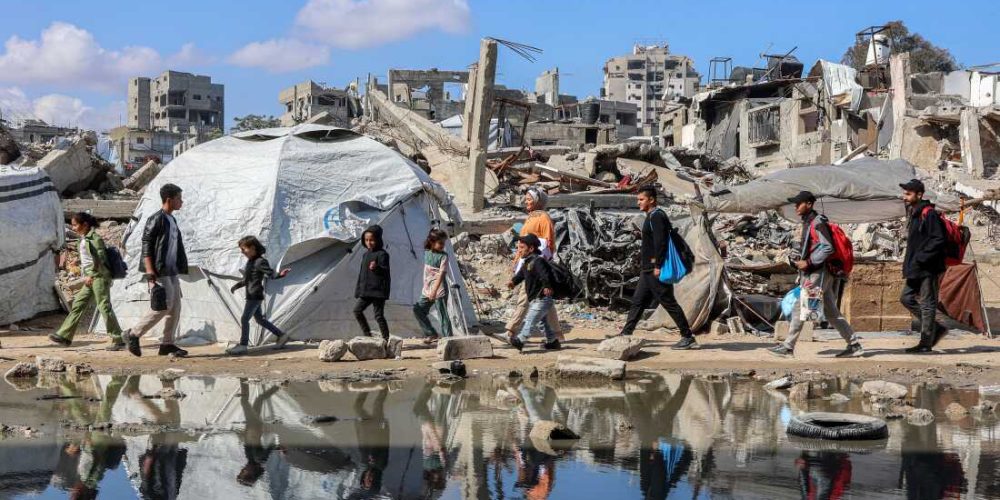
International response to the American initiative has been cautiously optimistic. European and Middle Eastern diplomats have signaled their readiness to support the monitoring and reconstruction phases, provided that a credible and lasting ceasefire is established first. The United Nations has also expressed a willingness to coordinate the massive logistical effort required to repair Gaza’s decimated infrastructure, though officials warned that the scale of the damage will take years, if not decades, to fully remediate.
As the diplomatic push intensifies, the coming days will be critical in determining if this framework can gain sufficient traction. The administration is reportedly planning a series of high-level summits with regional leaders to refine the technical aspects of the disarmament protocols. For the millions of civilians caught in the crossfire, the success of this plan represents the most significant hope for a return to normalcy in recent memory.









