

KEY POINTS
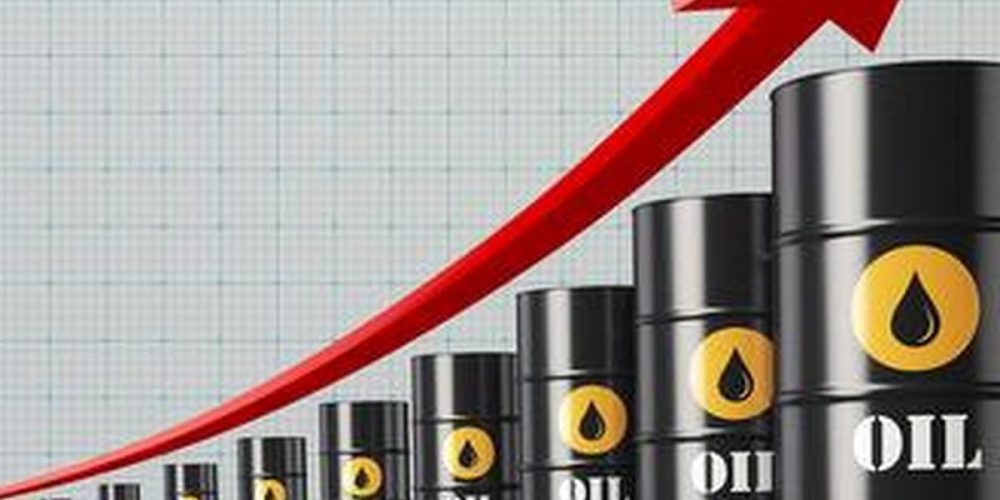
- West Texas Intermediate crude futures surged over 20 percent to exceed $111 per barrel.
- International markets face major supply threats following the closure of the Strait of Hormuz.
- Major oil producers including Iraq and Kuwait began cutting output as storage reaches capacity.
Energy markets experienced a historic shock on Monday as crude oil prices soared to their highest levels since mid-2022. The surge follows an intensifying conflict involving the United States, Israel, and Iran. West Texas Intermediate futures jumped by more than 20 percent in early trading sessions. This massive spike reflects deep global anxiety over the stability of energy exports from the Middle East.
The primary driver of this market volatility is the effective blockade of the Strait of Hormuz. This narrow waterway serves as a transit point for roughly 20 percent of the world’s oil supply. Iran’s recent actions have brought tanker traffic in the region to a virtual standstill. Shipping operators and insurers currently view the route as too high-risk for standard commercial operations.
In response to the halted shipments, several major producers have started to reduce their crude output. Iraq and Kuwait reported that their storage facilities have already reached maximum capacity. Without an active export route, these nations are forced to trim production at their main oilfields. Analysts warn that Saudi Arabia and the United Arab Emirates may soon face similar constraints.
Political developments in Tehran have further unsettled international investors and commodity traders. Iran recently named Mojtaba Khamenei as the new Supreme Leader to succeed his father. This transition signals that the country’s hardline leadership will maintain its current military and economic stance. Market experts believe this shift reduces the likelihood of a swift diplomatic resolution to the crisis.
The White House has acknowledged the rapid increase in domestic fuel costs for American consumers. Average gasoline prices across the United States have already climbed nearly 27 cents in a single week. Despite the rise, the administration described the spike as a temporary necessity for long-term regional security. Government officials are reportedly exploring various options to mitigate the impact on the national economy.
International organizations are now preparing for a potential coordinated response to the supply crunch. Finance ministers from the G7 nations plan to discuss a joint release of emergency petroleum reserves. Such a move would aim to stabilize global prices and provide relief to energy-dependent economies. Japan and South Korea are also considering individual measures to protect their domestic markets from the shock.
The financial damage of the conflict extends beyond the oil and natural gas sectors. Rising energy costs have triggered significant sell-offs in major stock indices across Asia and Europe. The Nikkei 225 and FTSE 100 both saw notable declines as investors braced for higher inflation. Logistical bottlenecks in air and sea freight are further complicating the global economic outlook.
Experts suggest that the global economy could face months of elevated energy bills. Even if the immediate military hostilities cease, repairing damaged infrastructure will take considerable time. Suppliers must also navigate the increased costs of marine insurance and altered shipping routes. The situation remains fluid as the world watches for any signs of a de-escalation in the Gulf.









