

KEY POINTS
- A federal judge held a private conference to establish a massive refund system.
- The court must return approximately $175 billion in illegally collected trade duties.
- Officials estimate that more than 300,000 different importers are entitled to payments.
A major legal step occurred on Friday regarding the return of billions in trade fees. Judge Richard Eaton of the U.S. Court of International Trade met with government legal teams. This meeting took place behind closed doors at the court’s request. Officials described the session as a settlement conference for all involved parties.
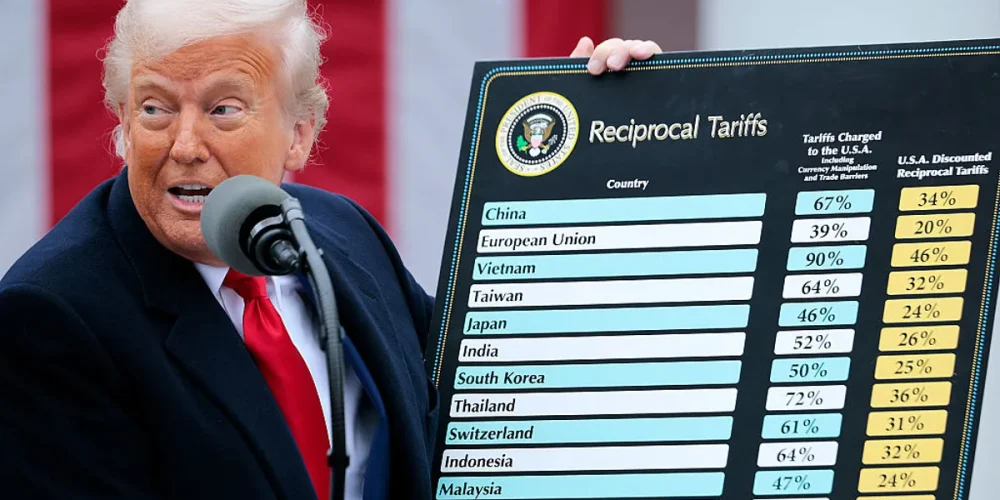
The primary goal of the meeting was to create a structured reimbursement process. This follows a high-profile legal defeat for recent trade policies. Last month, the U.S. Supreme Court ruled that several major tariffs were unconstitutional. The high court found that the executive branch had exceeded its legal authority.
The scale of the required refunds is truly historic for the trade industry. Estimates suggest the total amount could reach $175 billion in collected fees. These payments involve roughly 79 million individual shipments across several years. More than 300,000 businesses now wait for their money to be returned.
Government lawyers previously expressed concerns about the complexity of the task. They noted that the process would likely require an unprecedented manual review. Staff may need to examine tens of millions of individual tariff payments. This creates a significant administrative hurdle for the customs agency.
Judge Eaton previously ordered the agency to use its existing internal systems for speed. He wants a process that avoids making every business file a separate lawsuit. This approach aims to reduce chaos and save time for smaller companies. Many affected firms are small businesses that lack resources for long legal battles.
The specific case used to set this precedent involved Atmus Filtration Inc. This company alone reported paying $11 million in duties that were later deemed illegal. While Atmus brought the suit, the judge confirmed the rules will apply to everyone. He intends to find a way to cut through the massive amounts of paperwork.
During earlier hearings, Eaton expressed confidence in finding a workable solution. He stated that he does not want the refund process to become chaotic. The judge requested that the customs service present its initial ideas for the rollout. Legal experts believe a public plan for these payments could emerge very soon.
Importers have closely monitored these proceedings since the Supreme Court ruling in February. Justice Brett Kavanaugh had previously warned that the refund process could be a mess. This private conference represents the first major effort to prove that warning wrong.
The outcome of these talks will impact thousands of global trade participants. It marks a significant shift in how the government handles trade-related legal setbacks. Further updates are expected as the court and customs officials finalize the logistics.









