

KEY POINTS
- At least two individuals died following an aerial strike on a hotel building located in the heart of Lebanon’s capital.
- The targeted structure sits within a densely populated commercial district of Beirut, causing significant panic among residents and visitors.
- Emergency responders are currently on-site searching through debris for potential survivors as the security situation remains volatile.
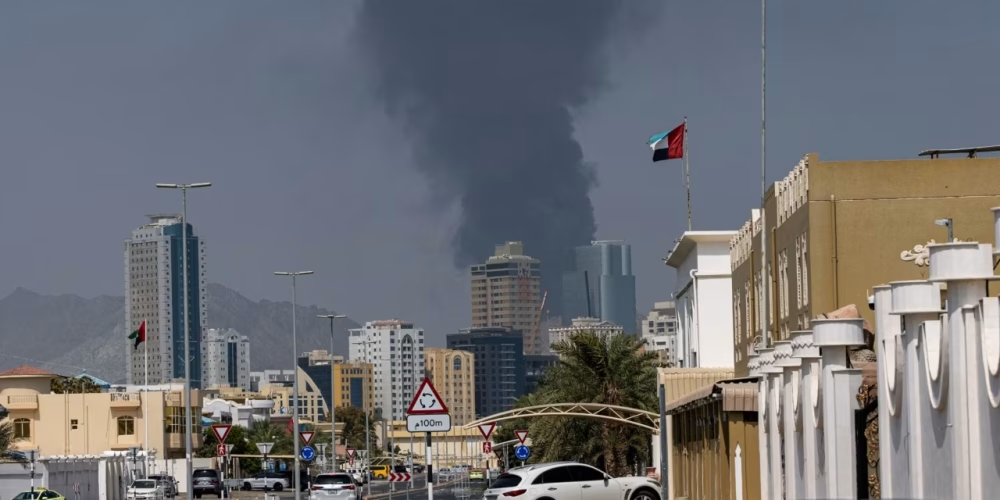
A violent explosion tore through a hotel building in central Beirut on Sunday, resulting in at least two confirmed fatalities and multiple injuries. Security sources report that the strike hit a multi-story structure used for commercial lodging, marking a significant escalation in the geographical reach of recent hostilities. The blast sent thick plumes of smoke over the city’s skyline, with the impact shattering windows and damaging vehicles across several blocks of the surrounding neighborhood.
The incident occurred during a period of high foot traffic in the city center, an area previously considered relatively insulated from the direct effects of the ongoing border conflict. Witnesses described a sudden, deafening roar followed by a shockwave that knocked pedestrians to the ground. Local ambulance services arrived within minutes to transport the wounded to nearby medical facilities, while civil defense teams worked to extinguish localized fires sparked by the impact.
Lebanese security officials are currently investigating the precise nature of the projectile and the intended target within the building. Early assessments suggest the strike was highly localized, focusing on specific floors of the hotel rather than a general demolition of the block. However, the proximity of the site to government offices and diplomatic missions has prompted an immediate tightening of security cordons throughout the capital.
The humanitarian impact of the strike is compounded by Beirut’s already strained infrastructure. Local hospitals, struggling with a lack of consistent electricity and medical supplies, have issued urgent calls for blood donations to treat those caught in the blast. Displaced families who had sought refuge in central hotels are now reportedly fleeing toward the northern outskirts of the city, fearing that no district remains entirely safe from the widening theater of operations.
International observers have voiced immediate concern over the targeting of urban centers. The use of precision munitions in a metropolitan environment like Beirut raises significant questions regarding the safety of non-combatants and the protection of civilian infrastructure under international law. While official statements from regional military actors are still being processed, the strike has already triggered a wave of diplomatic activity aimed at preventing a total collapse of the current security framework.
Economic analysts suggest that this direct hit on a hospitality asset will further devastate Lebanon’s struggling tourism and service sectors. The central district had been one of the few areas showing signs of marginal recovery, but the visible destruction of a prominent hotel serves as a stark deterrent to future investment and travel. Many businesses in the vicinity remained shuttered following the event as owners assessed the structural integrity of their shops.
As night falls over Beirut, the search and rescue operation continues under portable floodlights. Heavy machinery has been brought in to lift sections of the collapsed facade, with officials warning that the death toll could rise as teams reach the lower levels of the building. For the residents of the capital, this latest event serves as a grim reminder of the region’s fragility and the unpredictable nature of the current escalation.









