

KEY POINTS
- Iranian state media has confirmed the death of Supreme Leader Ayatollah Ali Khamenei following a series of high-precision joint military strikes by the U.S. and Israel targeting command centers in Tehran.
- President Donald Trump and Prime Minister Benjamin Netanyahu issued a joint statement characterizing the operation as a “decisive blow to global terrorism” and a necessary action to prevent imminent regional escalation.
- Iran’s Supreme National Security Council has declared a state of emergency, as the Assembly of Experts begins the unprecedented process of selecting a successor amid widespread domestic and international uncertainty.
The geopolitical landscape of the Middle East has been fundamentally altered following a seismic military operation that resulted in the death of Iran’s Supreme Leader, Ayatollah Ali Khamenei. According to reports from CNBC, the strike was the culmination of an intensive joint intelligence operation between the United States and Israel. The mission targeted high-security compounds in Tehran used by the clerical leadership, marking the first time a sitting Supreme Leader has been directly targeted in the history of the Islamic Republic.
In a televised address from the White House, President Trump stated that the action was taken to neutralize a “clear and present danger” to American interests and regional allies. The administration emphasized that the operation was surgical in nature, aimed specifically at the upper echelons of the regime’s military and political decision-making apparatus. Prime Minister Netanyahu echoed these sentiments, suggesting that the “era of unchecked aggression” in the region has come to an end, while calling on the Iranian people to seize the moment for a “new beginning.”
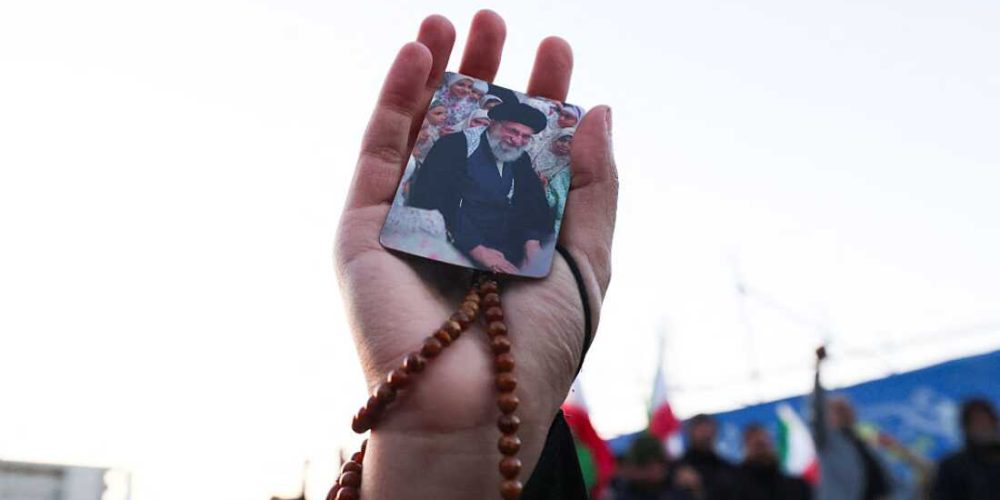
The reaction within Iran has been a mixture of shock, mourning, and localized civil unrest. While the Revolutionary Guard (IRGC) has vowed “crushing revenge,” the immediate focus in Tehran is on the looming succession crisis. The 86-year-old Khamenei had not publicly designated a successor, leaving a power vacuum that could lead to intense infighting between hardline military factions and the more traditional clerical establishment. As the Assembly of Experts convenes under heavy guard, the world is watching to see if the regime will maintain its current trajectory or pivot toward a different internal structure.
Global markets have reacted with extreme volatility. Oil prices surged briefly on news of the strikes, reflecting fears of a total blockade of the Strait of Hormuz or retaliatory strikes on regional energy infrastructure. However, prices stabilized somewhat as the U.S. announced it would increase production and release strategic reserves to ensure global energy security. Diplomatic missions at the United Nations are currently in emergency sessions, with several nations calling for immediate restraint to prevent a full-scale continental war.
As the situation develops, the focus remains on the “day after.” The removal of the central figure in Iranian politics for the last three decades represents a leap into the unknown. Whether this leads to a democratic transition, a military junta, or a prolonged period of regional instability remains the most pressing question for global leaders. For now, the Middle East remains on a knife-edge, awaiting the next move from a leaderless Tehran and an emboldened Western alliance.









