

KEY POINTS
- Widespread airspace closures and missile strikes have severely disrupted international transit hubs, including Dubai, Abu Dhabi, and Doha.
- Global powers, led by the United States, have issued urgent “depart now” directives for citizens across 14 nations in the region.
- While major airports in the UAE are beginning limited restarts, most neighboring countries maintain strict groundings and shelter-in-place orders.
The Middle East is currently navigating a period of intense volatility following a significant military escalation on February 28. This shift in the regional security landscape has immediate and profound implications for international travelers, expatriates, and those with upcoming transit plans through major global hubs. As the situation evolves, government agencies and risk advisors are working to provide clarity on which areas remain accessible and which present immediate danger.
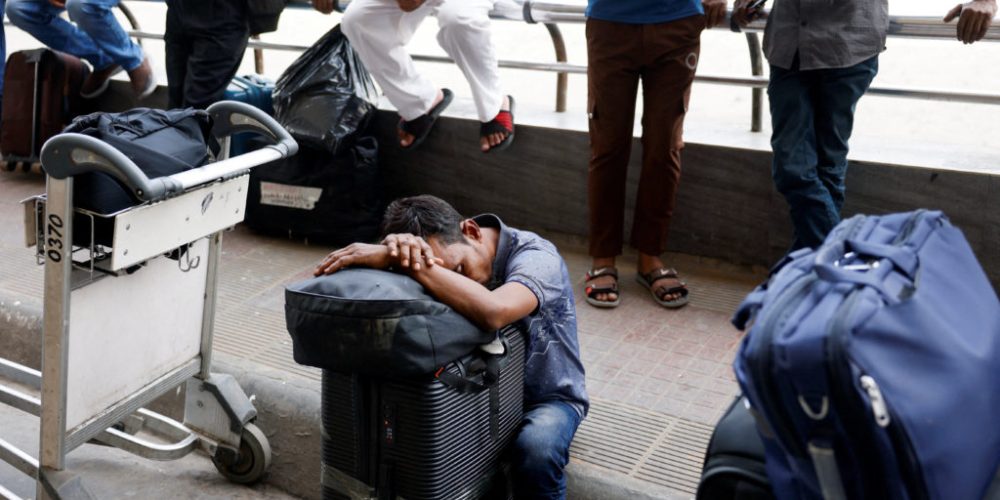
Air travel has borne the brunt of the initial disruption. Impacted by drone debris and retaliatory strikes, Dubai International Airport and Abu Dhabi’s Zayed International Airport faced unprecedented three-day closures. As the busiest international transit point in the world, the temporary shutdown of Dubai left hundreds of thousands of passengers displaced. While flagship carriers like Emirates and Etihad have recently begun a cautious resumption of services, the backlog of travelers remains significant. The UAE government has committed to assisting those stranded with accommodation and food during the recovery phase.
In Qatar, the situation remains more restrictive. Hamad International Airport in Doha remains closed as the nation continues to intercept aerial threats. Authorities in the United States and United Kingdom have advised their citizens currently in Qatar to shelter in place rather than attempt to reach the airport until the airspace is officially declared secure. Similarly, Kuwait and Bahrain have shuttered their skies following direct impacts, with no immediate timeline for a return to civilian flight operations.
Saudi Arabia and Oman present a more complex picture. While Riyadh’s King Khalid International Airport has remained largely operational, the U.S. Embassy in the capital has reported drone activity, prompting a shelter-in-place order for American personnel. Meanwhile, Oman has become a target of unexpected drone strikes at its Duqm commercial port. Despite these incidents, some travelers are currently utilizing overland routes from the UAE into Oman to access departing flights, as the overall risk level there is perceived to be slightly lower than in the central conflict zones.
Further west, the Levant region faces its own set of challenges. Israel has closed Ben Gurion Airport temporarily, though domestic carriers expect to resume limited flights soon. In Lebanon, security experts anticipate long-term travel restrictions due to the proximity of the conflict and the high likelihood of continued regional instability. Jordan has implemented partial nighttime airspace closures, and the U.S. Embassy in Amman has undergone evacuation as a precautionary measure against unspecified threats.
Even nations not directly involved in the physical exchanges are feeling the ripple effects. Egypt, though not targeted by strikes, was included in a sweeping departure directive issued by the U.S. State Department. However, some travel experts suggest that the risk in Egypt remains manageable compared to the Persian Gulf, noting that civilian infrastructure there continues to function normally. In Europe, the conflict touched Cyprus when a drone struck a British military installation, leading to flight cancellations and brief evacuations of civilian terminals on the island.
As military operations are expected to continue for several weeks, travelers should prioritize flexibility and safety. Most major airlines are offering comprehensive rebooking options and fee waivers for those affected by the regional instability. Security analysts emphasize that while economic hubs like Dubai will work aggressively to restore normalcy, the window for safe departure can change within hours. Anyone currently in the region or planning a visit must monitor official government advisories and maintain constant communication with their transport providers.









