

KEY POINTS
- Autonomous vehicle technology is currently undergoing rigorous testing on public roads in London.
- The pilot program aims to evaluate how AI-driven taxis navigate complex urban environments and traffic.
- Developers believe these robotaxis will eventually offer a safer and more affordable alternative to traditional transport.
London has officially entered the race for autonomous urban transport with the launch of robotaxi trials. Specialized self-driving vehicles are now navigating the city’s busy streets as part of a major testing phase. This initiative seeks to prove that artificial intelligence can handle one of the world’s most complex driving environments. Developers hope these tests will pave the way for a fully commercial driverless service in the near future.
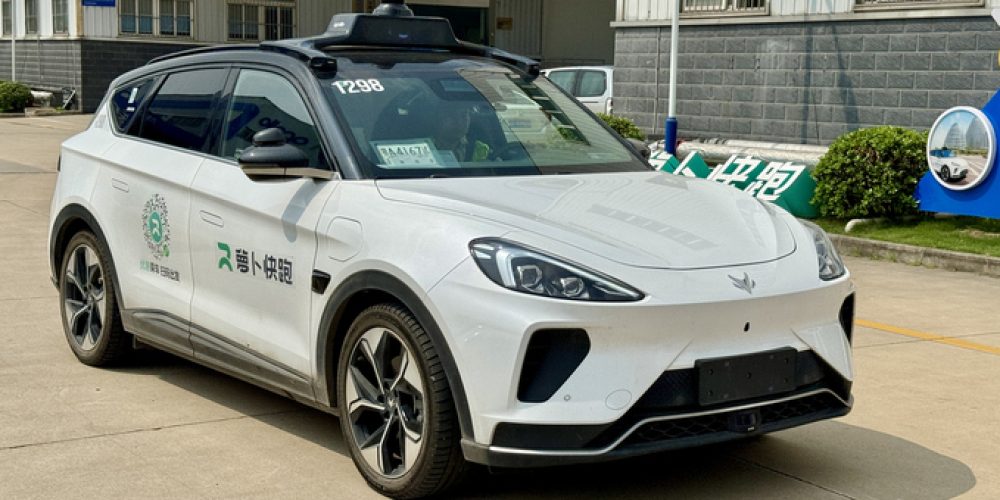
The vehicles used in the trial feature a sophisticated array of sensors and cameras. These tools allow the onboard AI to detect pedestrians, cyclists, and other motorists in real-time. By processing millions of data points every second, the system makes split-second decisions to ensure passenger safety. While the cars are capable of driving themselves, human safety drivers remain behind the wheel for now.
Project leaders highlight the potential benefits of removing human error from the driving equation. Statistics suggest that the vast majority of road accidents result from fatigue or distraction. An AI driver never gets tired and maintains a constant 360-degree awareness of its surroundings. Proponents argue that widespread adoption could significantly reduce traffic fatalities across the United Kingdom.
The trial also focuses on the economic impact of autonomous fleets. Without the need for a human driver, operational costs for taxi services could drop dramatically. This would likely result in cheaper fares for commuters and travelers. Furthermore, these electric-powered robotaxis could help reduce the city’s overall carbon footprint and congestion levels.
However, the introduction of driverless technology has sparked a heated public debate. Many Londoners expressed concerns about the reliability of AI in unpredictable weather or emergency situations. Labor unions have also voiced fears regarding the potential for massive job losses among professional drivers. They urge the government to implement strict regulations to protect the livelihoods of existing workers.
The UK government is working closely with tech firms to establish a legal framework for autonomous driving. Current laws need updating to address questions of liability and insurance in the event of a collision. Officials believe that being a leader in this field will attract significant international investment to the country. They view the London trials as a vital step toward a high-tech transportation future.
Passenger feedback during the initial testing phase has been a mixture of excitement and caution. Some users praised the smooth ride and the convenience of the digital interface. Others admitted they felt uneasy not having a person in control of the vehicle. Overcoming this psychological barrier remains a major challenge for the industry as a whole.
The London pilot program will continue to expand into different boroughs throughout the year. Data collected from these trials will help refine the AI’s ability to predict human behavior on the road. If successful, the project could serve as a blueprint for other major European cities. For now, the sight of a self-driving taxi is becoming a new reality for Londoners.









