

KEY POINTS
- Rhode Island has officially shattered its all-time snowfall record after a massive “bomb cyclone” dropped nearly 38 inches of snow on the state.
- The storm, dubbed the Blizzard of 2026, surpassed the legendary Blizzard of ’78, paralyzing travel and leaving hundreds of thousands without power across the Northeast.
- Emergency crews and residents are struggling to clear streets as a new winter system threatens to bring additional snow to the already buried region.
Residents across Rhode Island are currently facing a cleanup effort of historic proportions following a relentless winter storm that has redefined the state’s record books. The Blizzard of 2026, which slammed the Northeast between February 22 and 24, delivered a staggering 37.9 inches of snow at T.F. Green International Airport in Warwick. This total represents a nearly 10-inch increase over the previous record set during the infamous Blizzard of 1978, a benchmark that had stood for nearly five decades.
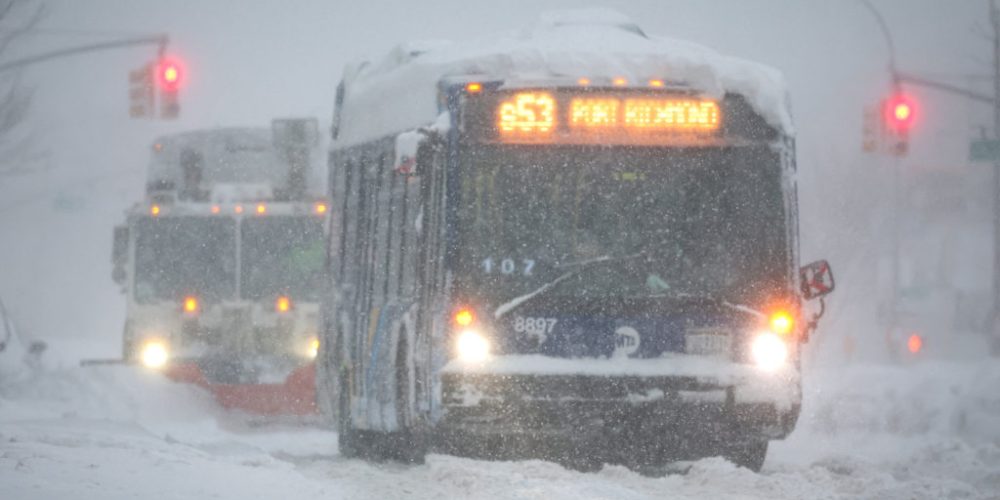
The sheer intensity of the storm was driven by a powerful “bomb cyclone” that saw atmospheric pressure drop with hurricane-like speed. This meteorological phenomenon created intense snow bands that dumped four to five inches of powder per hour at the height of the event. Governor Dan McKee, who declared a state of emergency early in the week, noted that even lifelong residents who remember the 1978 storm were shocked by the speed and volume of this week’s accumulation. For the first time in recent memory, even heavy-duty municipal snowplows were forced to pause operations during the whiteout conditions because visibility had dropped to near zero.
The impact on infrastructure has been catastrophic. At the height of the blizzard, more than 650,000 customers across the Northeast were left in the dark as heavy, wet snow and wind gusts of up to 80 mph brought down trees and power lines. In Rhode Island alone, tens of thousands experienced outages. While power restoration crews have been working around the clock, the volume of snow has made reaching damaged utility poles an arduous task. In many neighborhoods, residents have spent days quite literally digging tunnels to reach their front doors or to clear paths for their pets.
Travel throughout the region remained at a standstill for over 48 hours. A strict travel ban was implemented for all non-essential vehicles, yet hundreds of cars were still abandoned on major highways after getting stuck in rapidly rising drifts. Providence Mayor Brett Smiley reported that city crews had to focus on rescuing stranded motorists before they could even begin the process of street widening. The storm also forced the cancellation of over 9,000 flights across the East Coast, with T.F. Green Airport effectively shut down for the duration of the event.
As the state begins to “dig out,” a new set of challenges has emerged. With nearly three feet of snow packed onto sidewalks and street corners, accessibility for people with disabilities has become a major concern. Navigating “glaciers” at street intersections has left many residents confined to their homes long after the snow stopped falling. Furthermore, meteorologists are tracking yet another winter system that could bring more precipitation to the region within the next few days.
While the immediate danger of the blizzard has passed, the recovery phase is expected to last weeks. Schools remain closed or virtual in many districts as bus routes are still too narrow for safe passage. This historic event serves as a stark reminder of the increasing volatility of winter weather patterns in a changing climate. For now, Rhode Islanders remain focused on the monumental task of clearing their driveways and helping neighbors as the smallest state in the U.S. recovers from its largest-ever natural winter disaster.









