

KEY POINTS
- The United Kingdom has officially implemented its Electronic Travel Authorisation (ETA) system, requiring non-visa travelers to obtain digital permission before arrival.
- Starting in late February 2026, all eligible international visitors, including those from Europe, must apply online and pay a processing fee to enter the country.
- This digital shift aims to enhance border security and streamline the entry process by screening travelers before they begin their journey.
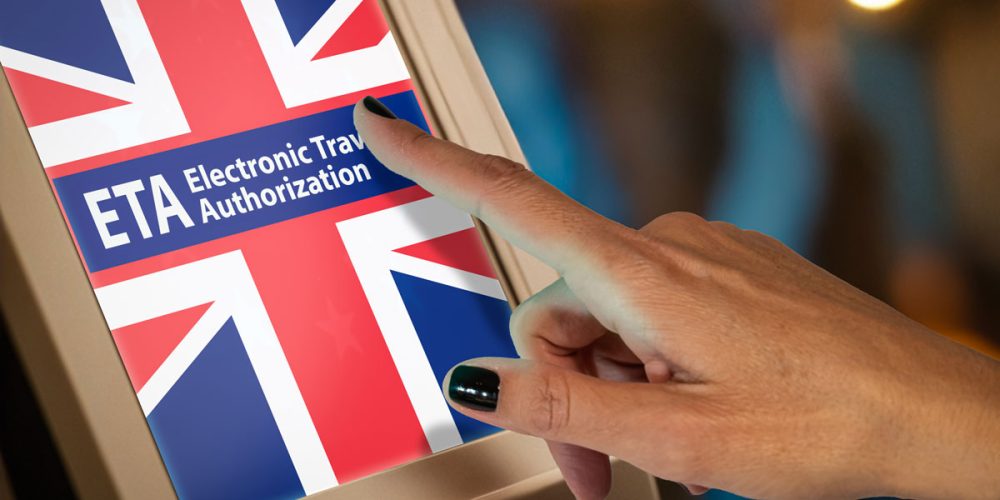
The United Kingdom has entered a new era of border management with the full enforcement of its Electronic Travel Authorisation (ETA) program. As of February 2026, the British government requires all visitors who do not currently need a visa—including citizens from the European Union, the United States, and Australia—to secure digital permission before traveling. This move aligns the UK with similar digital border systems used by other major global powers to track and vet arrivals more efficiently.
The transition marks a significant departure from previous entry requirements where many travelers could simply show a passport at the gate. Under the new rules, the ETA is electronically linked to a traveler’s passport and is valid for multiple stays over a two-year period. While the application process is designed to be quick and handled via a mobile app or website, travelers are advised to apply at least three days before their departure to avoid last-minute complications at the airport or ferry terminal.
The primary objective behind this digital mandate is national security. By requiring information in advance, the Home Office can conduct background checks on visitors before they even step foot on a plane or train bound for the UK. This proactive screening helps identify individuals who may pose a threat or who have previously violated immigration laws. Officials believe this system will eventually lead to faster processing times at physical border points, as most of the administrative work will have been completed digitally.
For the travel industry, the implementation of the ETA brings both challenges and opportunities. Airlines and transport operators are now legally responsible for ensuring that every passenger possesses a valid authorization before boarding. Failure to comply can result in heavy fines for the carriers and immediate denial of entry for the passenger. Consequently, travel agencies and airlines have been ramping up communication efforts to ensure that tourists are aware of the new costs and administrative steps involved in a trip to Britain.
The cost of the authorization is set at a modest fee, which covers the administrative expenses of the digital platform. While some critics argue that any additional cost or paperwork could deter spontaneous tourism, the government maintains that the fee is competitive compared to similar systems like the American ESTA. The revenue generated is expected to fund further technological upgrades at UK ports of entry, including the expansion of e-gates and contactless scanning technology.
European travelers, in particular, are feeling the impact of this change more than others. Since the UK’s departure from the European Union, border rules have gradually tightened, and the ETA represents the final step in ending the era of completely frictionless movement. Despite the extra step, tourism boards remain optimistic that the UK’s cultural and historical appeal will outweigh the minor inconvenience of a digital form.
As the system settles into place, the UK government plans to monitor its impact on visitor numbers and border efficiency. Future updates to the program may include integration with other digital health or security credentials. For now, the message to global travelers is clear: without digital permission, there is no travel to the UK. Checking entry requirements well in advance is now an essential part of any British travel itinerary.









