

KEY POINTS
- U.S. and Canadian embassies have issued “shelter-in-place” advisories for popular destinations including Puerto Vallarta and Guadalajara after a surge in cartel violence.
- Retaliatory attacks by the Jalisco New Generation Cartel (CJNG) followed a high-profile military operation on February 22 that reportedly led to the death of leader Nemesio “El Mencho” Oseguera Cervantes.
- Major airlines have temporarily suspended flights to impacted regions in Jalisco, while security forces have increased their presence in Quintana Roo as a precautionary measure.
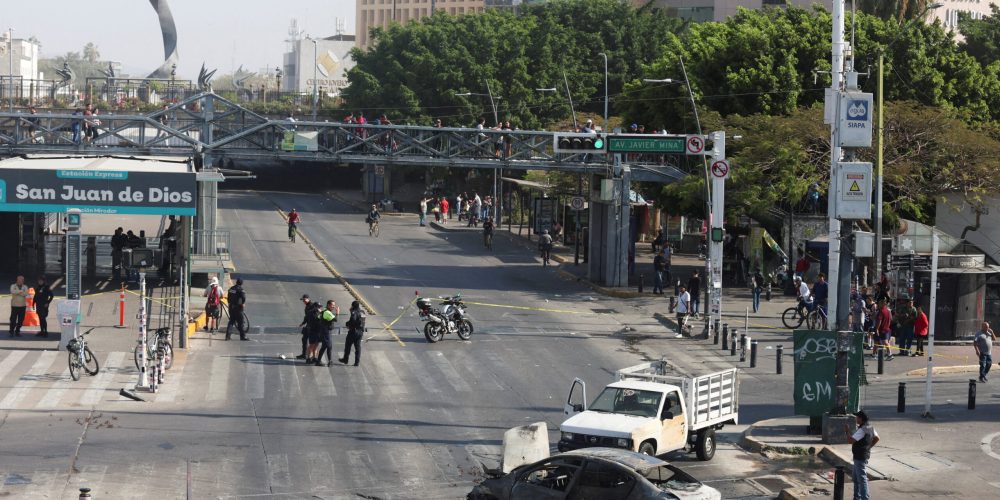
A wave of organized crime violence has swept across several Mexican states, prompting urgent security alerts from international embassies and the Mexican federal government. The unrest was triggered on Sunday, February 22, by a targeted military operation in the state of Jalisco. Reports indicate that the operation resulted in the death of Nemesio Oseguera Cervantes, the long-hunted leader of the powerful Jalisco New Generation Cartel. In response, cartel loyalists launched coordinated retaliatory strikes, setting fire to vehicles and establishing roadblocks on major highways to paralyze infrastructure.
The impact on the tourism sector was immediate and significant. In Puerto Vallarta, a premier destination for North American travelers, local authorities and foreign embassies instructed citizens and tourists to remain indoors and shelter in place. Frightened visitors reported seeing plumes of smoke across the bay as “narco-blockades” were erected to disrupt security movements. While the violence has primarily targeted infrastructure and government forces rather than tourists directly, the risk of being caught in the crossfire has led to a near-total halt of activities in affected zones.
Aviation hubs in the western region have faced severe disruptions. Guadalajara International Airport and Puerto Vallarta International Airport saw scores of flight cancellations as carriers including Air Canada, United, and American Airlines suspended service. These airlines cited safety concerns for both passengers and flight crews, specifically regarding ground access to terminal buildings. Although Mexican officials stated that airport interiors remained secure under the protection of the National Guard, many travelers were advised by their airlines to stay at their hotels rather than attempt to navigate blockaded roads.
The violence also rippled into other popular regions, albeit with less intensity. In the state of Quintana Roo—home to Cancun, Playa del Carmen, and the Riviera Maya—gang members reportedly targeted grocery stores and parked vehicles in a series of arson attacks. While these incidents caused localized panic, state security forces managed the situation without issuing formal shelter-in-place orders. By February 23, the U.S. Embassy noted that the situation in Quintana Roo appeared to be returning to normal, though a heightened police presence remains active to prevent further escalations.
Security analysts emphasize that this flare-up is a regional power struggle following the leadership vacuum in the CJNG. The cartel is notorious for using “messaging” tactics, such as arson and barricades, to pressure the government after the arrest or death of high-ranking members. As of Monday evening, at least 73 people were confirmed dead in the clashes, including security personnel and suspected cartel members. The Mexican government has activated a “Code Red” in Jalisco, suspending schools and public transport until stability is restored.
Travelers currently in Mexico are being urged to keep a low profile and avoid non-essential movement. Embassies recommend monitoring local media and staying in constant contact with tour operators or hotel concierges. For those with upcoming trips, it is essential to check the latest State Department advisories and confirm flight statuses directly with airlines. Most carriers have issued travel waivers, allowing passengers to rebook or reroute their journeys without financial penalty.
While the most intense violence remains concentrated in Jalisco, the situation remains fluid and unpredictable. Authorities are working to clear roadblocks and restore order on federal highways, but they warn that fragmented cartel groups may continue to lash out in the coming days. For now, the primary advice for anyone in the impacted Pacific coast regions is to stay vigilant and follow the directives of local law enforcement.









