

KEY POINTS
- Marine engineers have officially begun the permanent retirement of the historic TAT-14 undersea telecommunications cable.
- The massive infrastructure project once carried a significant portion of the transatlantic data traffic between Europe and the United States.
- This decommissioning marks a total transition to modern fiber-optic systems capable of handling exponentially higher data speeds.
A critical piece of global history is slowly disappearing from the floor of the Atlantic Ocean. Specialized recovery vessels have started the arduous task of removing the TAT-14 undersea cable system. For nearly a quarter of a century, this massive network of wires served as the primary backbone of the global internet. It connected the United States directly to several European nations including the United Kingdom, France, and Germany.
When it launched in 2001, TAT-14 represented the pinnacle of telecommunications engineering. It enabled the rapid expansion of the digital economy by providing reliable, high-speed data transfers across the ocean. The cable utilized advanced optical amplifiers to boost signals over thousands of miles of deep-sea terrain. This infrastructure allowed for the seamless growth of video streaming, social media, and international financial markets.
The decision to retire the system comes as a new generation of subsea cables enters service. Modern cables offer significantly more bandwidth and lower latency than the aging TAT-14 technology. These new systems use refined materials and sophisticated light-coding techniques to meet the world’s insatiable demand for data. Tech giants like Google and Meta now invest heavily in their own private cable networks to bypass older public systems.
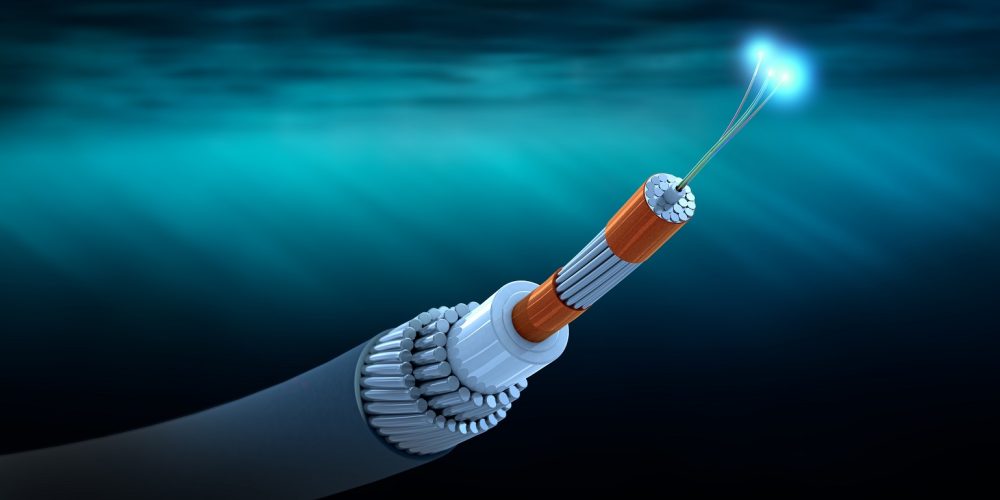
Recovering a decommissioned cable is a complex and expensive environmental undertaking. Ships equipped with specialized grappling hooks must snag the cable from depths of several miles. Workers then reel the heavy, armored lines onto massive spools for transport back to shore. The goal is to recycle the vast amounts of copper, steel, and plastics used in the original construction.
Environmentalists generally support the removal of these inactive lines from the seabed. Abandoned cables can interfere with marine life and complicate deep-sea mining or fishing activities. By clearing these old paths, engineers also make room for future infrastructure projects. The recycling process helps recover valuable raw materials that can be reused in modern electronics.
The retirement of TAT-14 marks the final transition away from the foundational era of the commercial web. These early cables proved that a truly connected global society was technologically possible. While the physical hardware is being removed, the digital pathways it established remain more active than ever. The internet now relies on a vast, invisible web of newer fibers that are significantly more resilient.
Technicians involved in the project describe the work as both nostalgic and necessary. They are literally pulling up the history of the early 2000s from the dark depths of the ocean. This process ensures that the maritime environment remains sustainable for future generations of digital connectivity. The global internet continues its evolution toward faster and more efficient global communication.









