

KEY POINTS
- Koji Sato, who took the helm of Toyota with a mission to accelerate electrification, is now recalibrating the company’s strategy as global EV demand cools.
- The automaker is doubling down on its “multi-pathway” approach, prioritizing hybrids and hydrogen technology alongside battery electric vehicles.
- Internal pressures and evolving market conditions in China and the U.S. are testing Sato’s ability to modernize the world’s largest car manufacturer.
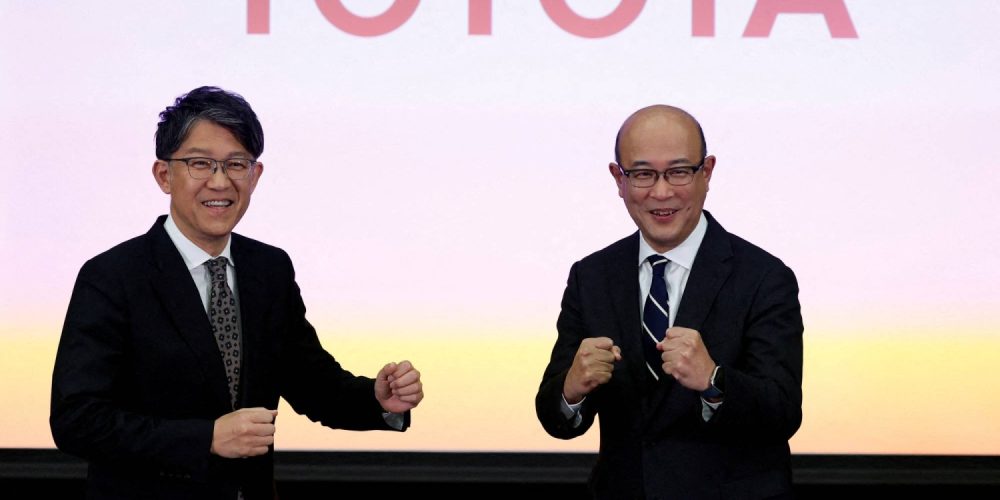
Toyota Motor Corporation is navigating a complex transition as CEO Koji Sato marks a pivotal moment in his leadership. When Sato assumed the top position from Akio Toyoda, he was widely viewed as the leader who would bridge the gap between Toyota’s traditional engineering excellence and the rapidly growing electric vehicle sector. However, the global automotive landscape has undergone a dramatic shift, forcing a sophisticated reevaluation of the company’s near-term goals and long-term vision.
The initial momentum for a purely electric future has hit significant roadblocks across major international markets. High interest rates, infrastructure gaps, and shifting consumer preferences have led to a noticeable slowdown in battery electric vehicle sales. For Sato, this change in market temperament has validated Toyota’s long-standing skepticism regarding an overnight transition to all-electric fleets. Instead of a singular focus on batteries, Sato is championing a diversified portfolio that emphasizes the strength of Toyota’s existing hybrid technology.
This strategic pivot is not without its challenges. In China, the world’s largest auto market, Toyota faces intense competition from domestic manufacturers that have moved aggressively into the electric space. Sato must balance the need to remain competitive in China with the reality that American and European consumers are increasingly returning to hybrid models. This “multi-pathway” strategy aims to reduce carbon emissions through a variety of technologies, including plug-in hybrids, fuel cells, and high-efficiency internal combustion engines.
Internal dynamics at the Japanese giant also play a role in this leadership test. Sato must maintain the legendary “Toyota Way” of manufacturing while fostering a culture of software-driven innovation. The company is currently investing heavily in its next-generation EV platform, which promises to revolutionize how cars are designed and built. Sato’s task is to ensure these high-tech advancements do not come at the expense of the reliability and affordability that have made Toyota a global household name.
Investors are watching closely as the company prepares for its next phase of growth. While Toyota recently posted record-breaking profits driven by strong hybrid sales, the pressure to prove its technological relevance in a digital-first era remains high. Sato’s ability to navigate this period of “strategic patience” will likely define his legacy. By refusing to follow a one-size-fits-all approach to electrification, he is betting that a balanced transition will ultimately prove more sustainable and profitable than a rushed exit from traditional engines.
As the industry continues to evolve, Sato’s leadership represents a pragmatic middle ground. He is steering the company through a period of immense volatility, focusing on building a flexible manufacturing base that can pivot as quickly as the market does. Whether this cautious approach will secure Toyota’s dominance for another generation remains the primary question for the global automotive sector.









