

KEY POINTS
- Sea surface temperatures in the tropical Pacific are rising, weakening La Niña.
- Climate outlooks now show a growing chance of El Niño forming later in 2026.
- A switch toward El Niño could influence global weather patterns worldwide.
Scientists report significant warming in the tropical Pacific, signaling a shift in the El Niño–Southern Oscillation cycle. The long-running La Niña pattern is weakening as sea surface temperatures rise toward neutral levels across key equatorial regions.
This change reduces La Niña’s influence and increases the likelihood of El Niño returning later in 2026. Forecast models indicate a notable probability of development between mid-year and winter. The U.S. Climate Prediction Center estimates about a 60% chance of this transition.
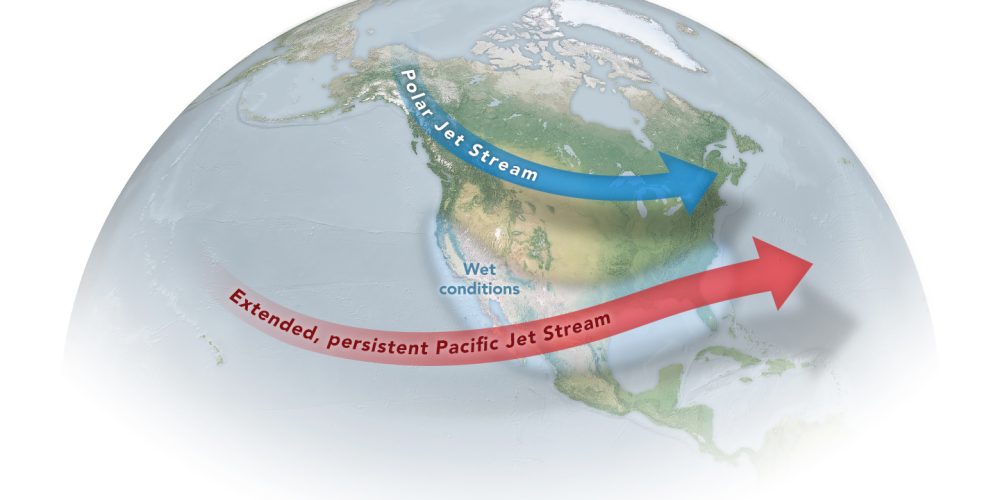
El Niño typically begins when warm water spreads across the central and eastern tropical Pacific. Rising ocean heat weakens trade winds and limits the usual surface cooling. These changes alter atmospheric circulation patterns beyond the Pacific basin.
A return to El Niño would signal the end of the Southern Oscillation’s cool phase. The phenomenon redistributes heat and moisture across continents. Global temperatures often rise during El Niño years due to widespread ocean warming.
Some climate agencies remain cautious because long-range forecasts carry uncertainty. Other meteorological organizations view current signals as increasingly consistent. The timing and intensity of a potential El Niño will determine its broader global impact.
Historically, transitions from La Niña to El Niño have shifted rainfall and drought patterns. Southeast Asia and Australasia often experience reduced rainfall during stronger El Niño phases. Other regions may face wetter conditions or changes in storm activity.
El Niño can also influence hurricane and cyclone development in the Pacific. Scientists continue to monitor the evolving climate pattern closely. Improved detection tools may strengthen forecasts of onset and potential impacts.
Researchers stress that global warming interacts with natural ocean cycles, adding complexity to predictions. As Pacific temperatures rise, the risk of altered climate patterns increases. If El Niño forms as expected, 2026 may bring shifts in weather extremes worldwide.









