

KEY POINTS
- Australia’s Environment Ministry ordered Alcoa to pay about A$55 million to rehabilitate a former bauxite mining site.
- The fine is part of environmental obligations tied to Alcoa’s past mining operations in Western Australia.
- The payment underscores growing government enforcement of industrial environmental responsibilities.
Australia’s federal environment ministry has imposed a A$55 million (roughly $38.9 million) remediation fee on mining company Alcoa to restore a former bauxite mine site in Western Australia. The government said the order, announced Wednesday, requires the company to undertake substantial clean-up work at the location where it previously extracted bauxite.
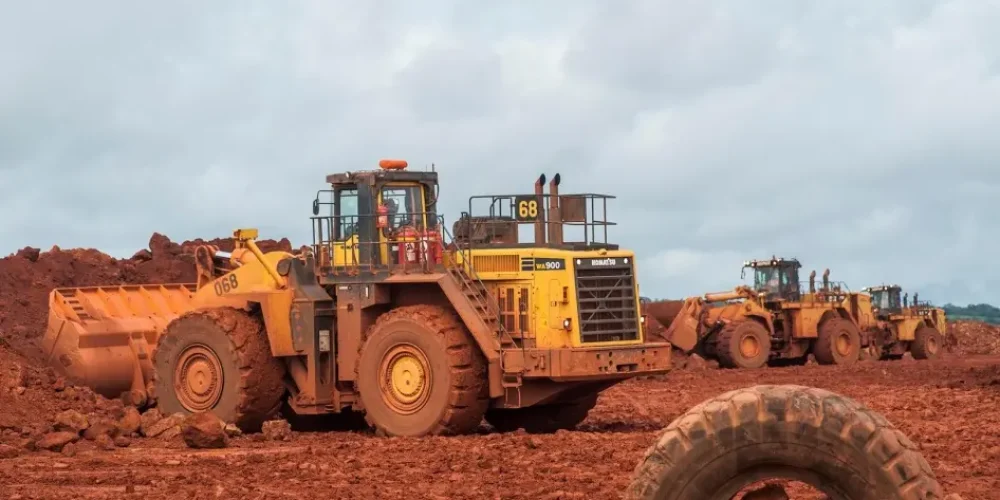
The site in question was once part of Alcoa’s extensive bauxite mining operations, a cornerstone of its involvement in the region’s resources industry. Bauxite, the primary ore used to make aluminium, has been quarried across Western Australia for decades, with mining and subsequent processing forming significant parts of the local extractive economy.
The ministry’s action reflects growing regulatory emphasis on environmental accountability for industrial activities. The clean-up obligation demands that Alcoa address environmental impacts stemming from historical extraction and infrastructure at the former mine site.
Alcoa, a major player in the global aluminium and mining sector, has longstanding operations in Australia, particularly in Western Australia’s bauxite-rich regions. Its activities include mining, processing, and shipping ore for aluminium production, with the company having maintained a substantial footprint in the local industry over many years.
Under Australian environmental law, companies engaged in extractive industries must rehabilitate mined land once operations cease. Failure to comply with these obligations can lead to fines or enforced remediation orders by regulators. In this case, the ministry stipulated the A$55 million payment to ensure the site meets required environmental standards.
The remediation order adds to a broader context of scrutiny on mining practices and land rehabilitation in Australia. Conservation groups and local communities have increasingly spotlighted the environmental legacies of mining, including deforestation, soil degradation, and disruptions to natural ecosystems. While specific details of the clean-up plan have not been publicly detailed by authorities, the financial penalty signals a firm stance by regulators on ecological stewardship.
Australia is one of the world’s largest producers of bauxite and aluminium. The mineral sector significantly contributes to the nation’s export earnings, particularly in states like Western Australia where mining infrastructure supports large operations. However, environmental compliance has grown as a central pillar of industry regulation, with authorities seeking to balance economic benefits with ecological preservation.
The remediation cost imposed on Alcoa was calculated in Australian dollars, and reflects not only direct cleanup expenses but also anticipates long-term restoration requirements. The ministry did not immediately specify how the funds would be allocated or the precise timeline for the remediation work’s completion.
For Alcoa, the financial order comes amid a shifting landscape for mining firms operating in Australia. The industry faces increasing expectations to demonstrate responsible environmental conduct through land rehabilitation commitments and transparency in reporting impacts. Regulators have signaled that enforcement actions will continue where necessary to uphold environmental standards.
The company’s broader operations include other bauxite mining and alumina refining assets in Western Australia. While past years have seen adjustments in production and facility operations, Alcoa remains a key contributor to the region’s minerals output.
Industry observers note that such enforcement actions can create precedents affecting how other mining companies plan closures and post-mining land use. Rehabilitation obligations are increasingly integrated into the lifecycle of mining projects, with financial assurances and environmental bonds often required to ensure long-term compliance.
Alcoa has not provided a public response to the remediation order at the time of reporting. Environmental advocates have welcomed the enforcement action, stating that robust oversight mechanisms are essential to ensure that mining legacies do not burden local ecosystems or communities.









