

KEY POINTS
- Journalist Emma Beddington argues that while heavy rainfall is catastrophic for farmers and flood victims, the average person should stop “moaning” and develop coping strategies.
- With climate breakdown likely to make wetter winters the new norm, Beddington suggests reframing rain through romanticism, wellness, and unique daily rituals.
- The article highlights systemic failures, such as water companies releasing sewage during rainfall, as a more productive focus for public anger than the weather itself.
In a column for The Guardian, Emma Beddington addresses the growing fatigue over Britain’s relentless wet weather. Writing from York, where rising rivers and constant puddles have become a fixture of daily life, Beddington acknowledges the genuine devastation faced by farmers and flood victims. However, for the majority of the public who are simply dealing with being “quite wet,” she suggests it is time to “get a grip” and find ways to coexist with a climate that is increasingly dominated by rainfall.
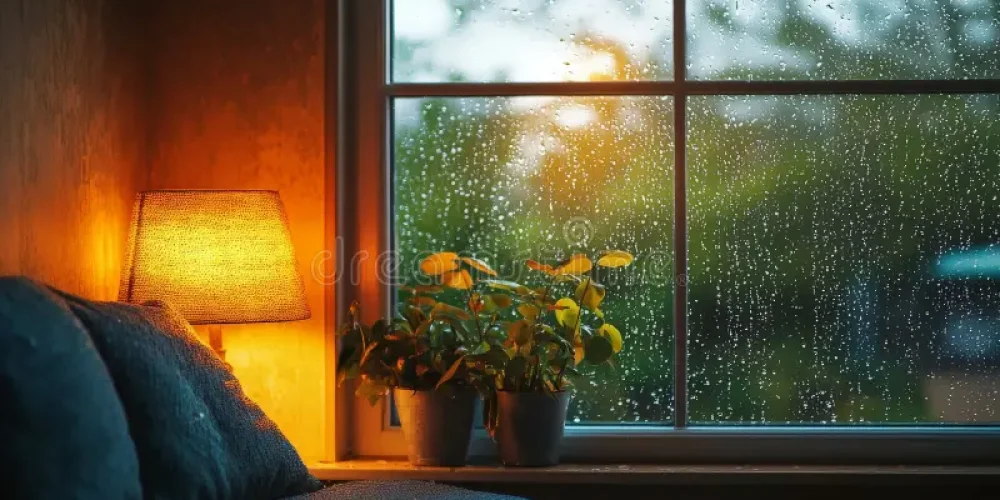
Beddington outlines several lighthearted yet practical coping strategies to manage the mental toll of a grey, damp environment. She encourages readers to “romanticize” the weather by embracing the brooding, cinematic energy of a rainy day, perhaps sound tracked by atmospheric music. She also points to the wellness benefits of rain, noting that negative ions created by rainfall can potentially relieve stress. For those who enjoy creative outlets, she suggests using the weather as a muse for songwriting or making traditional Japanese teru teru bōzu dolls—tissue-paper charms meant to manifest clear skies.
The piece takes a historical and scientific turn by reminding readers of the Carnian Pluvial Episode, a prehistoric period when it rained for roughly two million years. Beddington posits that if sauropods could endure such a timeline, modern humans can “tough it out” for a few more weeks of winter. She also explores global cultural rituals used to ward off or stop rain, from Roman anti-hail traditions to Japan’s mizudome-no-mai festivals, suggesting that humans have been trying to negotiate with the weather for millennia.
Finally, Beddington shifts the focus from personal frustration to political action. She argues that public anger would be better spent on water companies that discharge raw sewage into waterways during heavy rain due to inadequate infrastructure. She links the frequency of these “wet patches” to broader climate breakdown, urging readers to think critically about environmental policies. Rather than simply complaining about damp shoes and mossy car windows, Beddington advocates for a mix of personal resilience and civic engagement to navigate a wetter future.









