

KEY POINTS
- Waymo is utilizing DoorDash contractors to manually assist stalled autonomous vehicles in urban areas.
- The initiative targets a frequent issue where passengers exit robotaxis without fully closing the doors.
- This collaboration highlights the ongoing need for human support in the deployment of driverless technology.
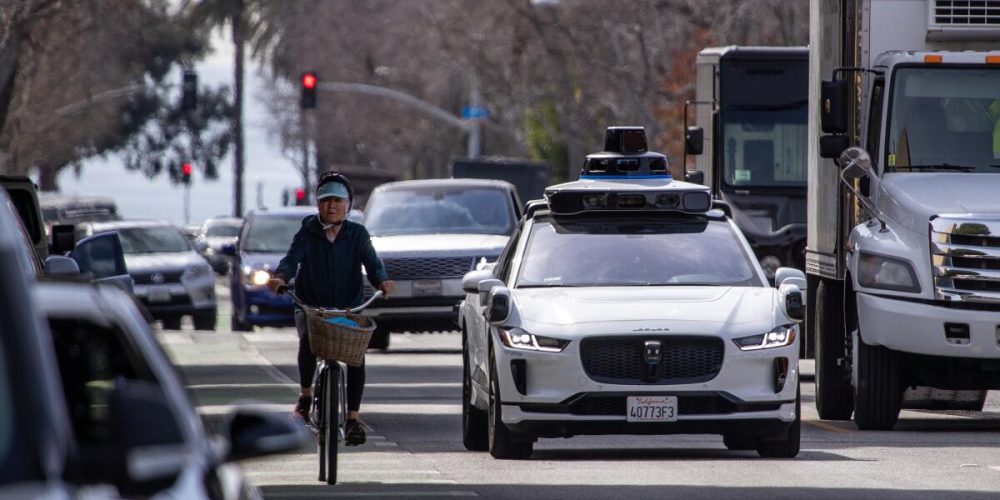
The push for fully autonomous transportation has encountered a uniquely human obstacle: open doors. Waymo is now addressing this issue by partnering with DoorDash to hire gig workers for specialized vehicle support. These contractors are tasked with locating stalled robotaxis and closing doors that passengers accidentally left ajar. This strategy prevents vehicles from remaining stuck in traffic or blocking active loading zones.
Autonomous vehicles are equipped with numerous sensors, but most current models lack the mechanical ability to pull a door shut. When a passenger leaves a door open, the car’s safety software prevents it from moving to its next destination. Previously, this required Waymo to dispatch its own specialized roadside teams, which could be slow and expensive. By using the existing DoorDash network, the company can respond to these incidents in minutes.
The pilot program is currently active in select cities where Waymo operates its commercial ride-hailing service. DoorDash workers receive alerts through their app when a vehicle requires assistance nearby. These tasks are paid as individual “gigs,” similar to food delivery orders. This integration allows Waymo to maintain a high level of fleet efficiency without significantly increasing its permanent staff.
Industry experts view this move as a pragmatic admission of the limitations of current robotics. While the software can navigate complex intersections, simple physical interactions still require human intervention. This “hybrid” approach to automation suggests that the future of self-driving cars may involve a permanent layer of human support staff. It also provides a new revenue stream for gig workers in an evolving labor market.
Some critics argue that this reliance on gig labor complicates the narrative of a fully automated future. They point out that the cost-effectiveness of robotaxis depends on removing human labor from the equation. If a fleet requires constant manual “babysitting,” the economic benefits of automation may take longer to materialize. However, Waymo maintains that these instances are rare and that the partnership is an efficient stopgap measure.
As the program expands, it may serve as a blueprint for other autonomous companies facing similar logistical challenges. From cleaning interior spills to assisting with luggage, the need for a “human touch” remains persistent. For now, the sight of a delivery driver closing a robotaxi door has become a modern symbol of the tech industry’s transitional phase.









