

KEY POINTS
- UK government plans would make vaping in vehicles carrying children illegal under new public health proposals.
- The ban would also cover playgrounds and outside schools, widening current smoke-free restrictions.
- Measures are part of the broader Tobacco and Vapes Bill aimed at reducing secondhand smoke and vaping harms.
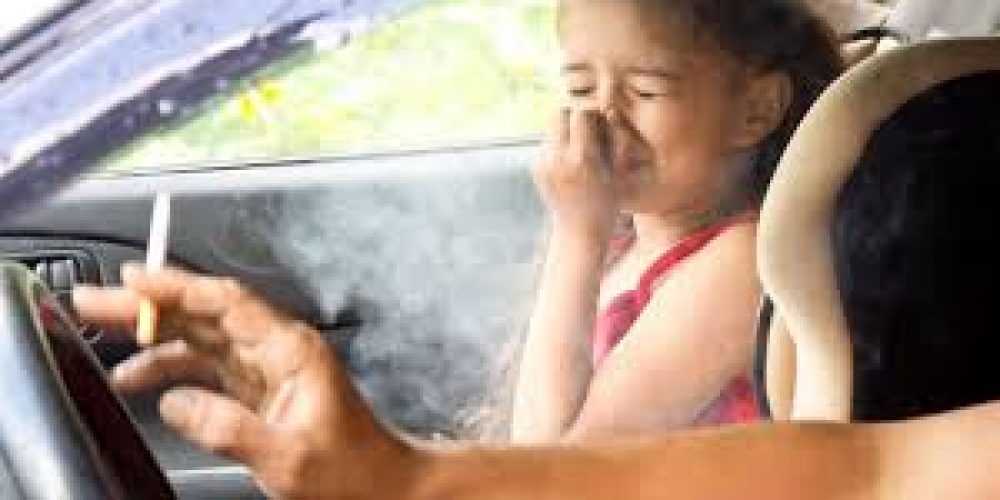
The UK government has unveiled plans to ban vaping in cars carrying children under proposed public health legislation designed to protect young people from harmful emissions. The proposal, currently subject to consultation, would make it illegal to use e-cigarettes, heated tobacco products or traditional smoking in private vehicles when under-18s are present.
Under the expansive draft rules, the ban would extend beyond cars to include children’s playgrounds and areas immediately outside schools. Government officials say the intent is to strengthen protections for children and other vulnerable groups by reducing their exposure to secondhand aerosol and smoke — substances linked to respiratory and cardiovascular issues.
If implemented, the measures would build on existing smoke-free indoor environments such as workplaces and public transport, all of which would become completely “heated tobacco-free” and “vape-free” under the new framework. Supporters argue that tightening these regulations aligns with broader efforts to curb smoking-related harm.
Vaping products, popular among smokers as cessation tools and among adults, have been controversial in public health discussions. Research shows that while e-cigarettes may reduce exposure to some toxins compared with combustible tobacco, their aerosols still contain substances that can affect lung health and may pose a risk, particularly to children and adolescents.
The government’s consultation period will explore how best to define covered areas and balance enforcement with practicality. Officials have stressed that private homes and open outdoor spaces such as beaches or hospitality terraces would be exempt, focusing the restrictions where exposure is most concentrated.
Health Secretary Wes Streeting and other ministers argue that preventing secondhand smoke and vape exposure is part of a long-term strategy to boost public health and reduce pressures on the National Health Service. Critics of vaping bans have sometimes pointed to the role of e-cigarettes in helping smokers quit, but current proposals prioritise harm reduction for children first.
The policy sits within the broader Tobacco and Vapes Bill, which has been progressing through Parliament and seeks to create a smoke-free generation by phasing out sales to future cohorts and tightening advertising and sales channels for nicotine products. If passed, the vehicle and playground vaping ban would represent a significant expansion of smoke-free legislation in the UK.
Public health organisations have welcomed the consultation, pointing to evidence that exposure to secondhand smoke and aerosol can increase risks of asthma, heart disease and other conditions, especially among children whose respiratory systems are still developing. Government-led education campaigns are expected to accompany any new legal measures to inform parents and guardians of the changes.
Lawmakers and stakeholders will scrutinise the consultation feedback before any regulations are finalised. If enacted, the ban on vaping in cars with children would align with existing laws in other jurisdictions that restrict smoking in vehicles when minors are present, but would be among the first to include vaping products specifically.









