

KEY POINTS
- Russia has significantly reduced its subsidized oil exports to Cuba to prioritize other markets.
- Local power grids are failing as domestic refineries lack the crude needed for electricity production.
- New international trade policies and potential tariffs are complicating Cuba’s search for alternative energy partners.
Cuba is currently navigating one of its most critical energy shortages in decades. The island’s aging infrastructure is struggling to stay online as vital oil imports dwindle. For years, the nation relied on preferential trade agreements with Russia to meet its energy demands. However, those shipments have slowed to a trickle, leaving the Cuban government searching for immediate solutions.
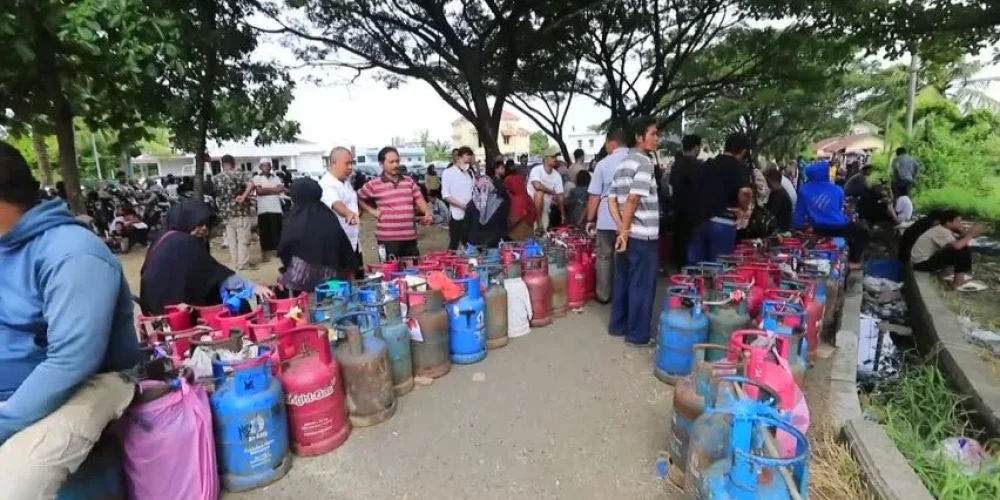
The impact of this fuel deficit is visible across every sector of Cuban life. Public transportation in major cities has largely ground to a halt, leaving thousands stranded. Agricultural production is also suffering as tractors and processing plants lack the diesel required to operate. These disruptions threaten to worsen existing food shortages across the provinces.
Geopolitical shifts are playing a central role in this domestic crisis. Russia is reportedly redirecting its energy resources toward more profitable buyers in Asia. This shift leaves Cuba without its most reliable and affordable source of crude oil. Simultaneously, the island faces increased economic pressure from the United States, further limiting its ability to trade on the open market.
The Cuban power grid is particularly vulnerable to these supply shocks. Most of the country’s electricity comes from thermal plants that require constant fuel oil injections. When tankers fail to arrive at Havana’s docks, the government must resort to scheduled blackouts. These outages often last for twelve hours or more, impacting hospitals, schools, and private homes.
Economic analysts point to a “perfect storm” of challenges facing the Caribbean nation. The prospect of new trade tariffs and stricter financial regulations has discouraged potential new suppliers from stepping in. Without a significant cash reserve, Cuba cannot compete for oil at current global market prices. This financial isolation has left the country with few diplomatic or economic exits.
Internal efforts to conserve energy have reached extreme levels. Government offices have reduced hours, and non-essential industries are temporarily closed to prioritize residential power. Despite these measures, the gap between supply and demand continues to grow. Officials are now appealing for international aid to prevent a complete collapse of the national infrastructure.









