

KEY POINTS
- Resale ticket prices for the upcoming professional basketball championship game in New York have experienced a massive downturn, falling by up to 70 percent.
- Market analysts attribute the sudden valuation decline to shifting series dynamics and a sudden influx of ticket listings on major secondary exchanges.
- Despite the steep price cuts, the event remains one of the most expensive live sports properties in the country this summer.
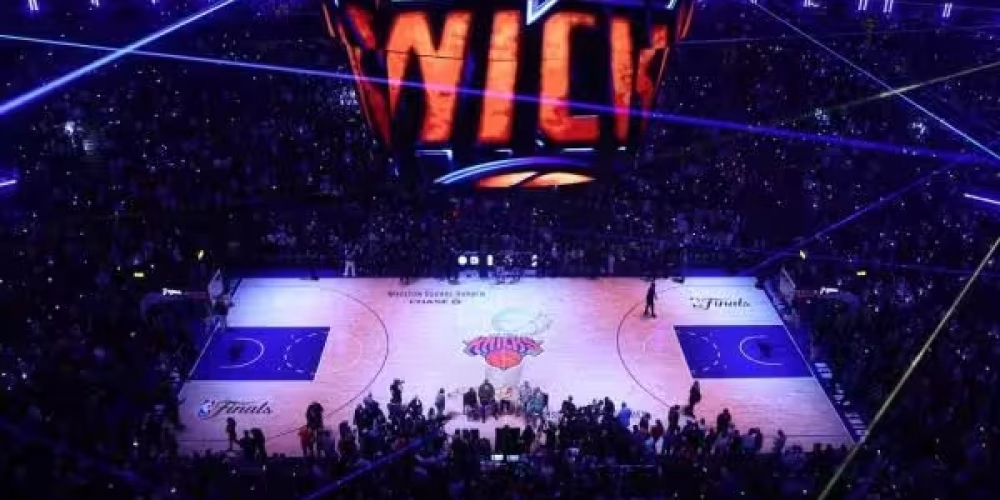
Ticket prices for Game 4 of the ongoing championship series at Madison Square Garden have plummeted dramatically, giving local sports fans an unexpected opportunity to witness history. Secondary market data reveals a striking 70 percent drop in entry-level ticket valuations over a very brief window, a stark departure from the record-setting figures observed earlier in the week. The sudden market correction reflects how quickly fan sentiment and economic factors can shift over the course of a single postseason run.
What You Need to Know
Prior to the sudden downward trend, securing a seat inside the world’s most famous arena required a staggering financial commitment. The intense national spotlight surrounding the New York Knicks and their pursuit of corporate glory had driven ticket averages to historic highs, pricing out a significant portion of the local fanbase. High-roller packages and lower-bowl seating options were commanding premium rates that rivaled major global entertainment events like the Super Bowl or high-profile international soccer finals.
However, the financial landscape transformed rapidly following recent developments on the hardwood and shifts in public purchasing behavior. A surge in ticket availability on digital secondary marketplaces occurred almost simultaneously, oversaturating the supply just as initial consumer panic began to cool. Speculative brokers who had hoarded inventory in anticipation of exorbitant returns were forced to aggressively lower their asking prices to avoid being stuck with empty seats.
The swift devaluation serves as a fascinating case study in modern ticket economics, where real-time demand curves dictate the accessibility of live events. Ticket aggregators noted that while premium courtside positions managed to retain a portion of their baseline prestige value, upper-tier and standing-room-only passes bore the brunt of the market crash. This volatility highlights the speculative nature of modern sports ticket brokerages, where fortunes are won or lost based on a single game’s outcome.
Inside the Rapid Shift in Ticket Market Valuation
The underlying mechanics of this ticket price crash are tied directly to consumer psychology and fractional market dynamics. When secondary platform listings swelled unexpectedly, it triggered a race to the bottom among independent sellers looking to liquidate their assets before the opening tip-off. The sudden affordability has opened the doors for traditional working-class sports fans who had previously resigned themselves to watching the broadcast from local sports bars.
Furthermore, economic analysts point out that corporate entertainment budgets may have reached a temporary ceiling in the current quarter. With multi-game packages demanding tens of thousands of dollars from corporate partners, individual ticket sales on secondary markets became highly dependent on wealthy individual consumers. When those individual buyers hesitated, the algorithmic pricing models utilized by major ticketing platforms responded by slashing prices across the board to stimulate transaction volume.
On the ground in Manhattan, the atmosphere surrounding the arena remains highly charged despite the fluctuating ticket index. Local vendors, merchandise shops, and hospitality venues are still bracing for a massive wave of foot traffic, as lower ticket prices often translate to higher discretionary spending on food, beverages, and team apparel. The financial ripple effect of a game of this magnitude continues to stimulate the local micro-economy, even if the primary ticketing platforms are absorbing a noticeable hit in average transaction value.
Why This Matters
For American consumers and sports fans across the country, this sudden pricing correction exposes the highly volatile reality of the modern live entertainment economy. It demonstrates that the seemingly endless upward trajectory of ticket pricing does have a hard consumer threshold, proving that market forces can still work in favor of the everyday fan under the right conditions. This event provides clear evidence that waiting until the final hours before a major event can yield significant financial savings for savvy buyers.
Moreover, the phenomenon illustrates how deeply digital marketplace algorithms influence the accessibility of American cultural milestones. As secondary platforms continue to dominate how sports tickets are distributed and priced, understanding these market cycles becomes essential for anyone trying to navigate live entertainment options. The drop in prices allows for a more diverse and authentic crowd dynamic inside the venue, which could fundamentally alter the home-court advantage that teams count on during critical postseason moments.
NCN Analysis
The steep drop in ticket prices represents a momentary victory for regular sports fans, but it also signals a stabilization of an over-inflated market. Reuters previously detailed the astronomical heights these tickets had reached, and this 70 percent correction should be viewed as a logical return to consumer reality rather than a lack of interest in the series. The energy inside Madison Square Garden will likely be louder and more raucous as a result, filled with die-hard local supporters rather than purely corporate attendees.
Looking forward, this pricing event will likely cause secondary ticket platforms and speculative brokers to re-evaluate their pricing algorithms for future high-profile series. If the home team can secure a definitive victory in Game 4, expect ticket values for subsequent games to skyrocket right back to premium levels almost instantly. The live sports market remains incredibly reactive, and the next few days will determine whether this price drop was an isolated anomaly or the start of a broader trend in sports consumer habits.
The fluctuating cost of admission will have no bearing on the intensity of the competition on the floor, where both teams remain focused solely on winning.
Reported by the NCN Editorial Team









