

KEY POINTS
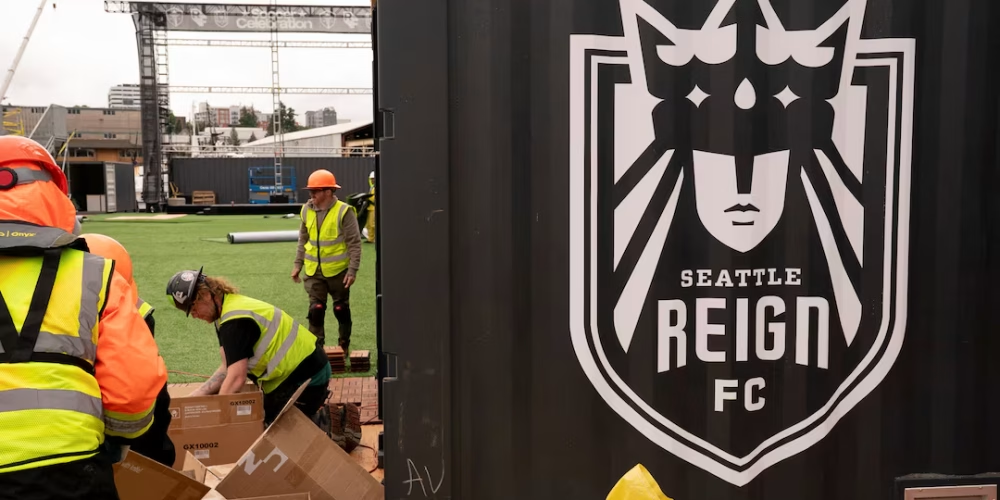
- Organizers in Seattle have constructed a massive floating soccer facility on an industrial barge to serve as a central fan hub for the 2026 FIFA World Cup.
- The innovative maritime venue features an fully operational mini-pitch alongside immersive digital installations celebrating Washington’s rich soccer history.
- The floating destination highlights a growing trend among host cities to design creative community spaces that engage international travelers.
The city of Seattle has unveiled a spectacular architectural centerpiece designed to capture the global energy of the upcoming FIFA World Cup. Engineers and sports organizers have successfully transformed a massive industrial barge into a floating soccer park permanently moored along the downtown waterfront. The unique installation aims to provide a vibrant, accessible gathering space for both local residents and international soccer enthusiasts traveling to the Pacific Northwest for the tournament.
What You Need to Know
The concept of leveraging maritime infrastructure for public sports entertainment represents a highly creative approach to urban space management during massive international tournaments. Seattle, boasting a deep-rooted soccer culture and a busy commercial harbor, was uniquely positioned to execute such an ambitious engineering project. By utilizing a heavy-duty maritime barge, project planners successfully constructed a high-density fan zone without putting additional strain on the city’s existing inland parks.
The floating venue is anchored at the newly revitalized Pier 62, positioning it directly adjacent to the city’s downtown commercial district. Historically, Seattle’s waterfront was defined primarily by industrial shipping and ferry transit lines. The introduction of the soccer barge represents a broader civic push to convert traditional industrial zones into interactive public parks capable of hosting large-scale global exhibitions.
Organizers designed the space to operate as an educational and cultural bridge throughout the tournament. Washington State possesses a decorated history within the American soccer landscape, serving as the home base for highly successful professional franchises like Seattle Sounders FC and Seattle Reign FC. The floating facility features curated galleries and digital archives detailing how Pacific Northwest athletes have historically influenced previous iterations of the World Cup.
Engineering an Immersive Fan Destination
The construction of the floating soccer park required extensive collaboration between marine architects, structural engineers, and sports entertainment planners. The primary attraction on the deck of the barge is a state-of-the-art mini-pitch designed for community youth clinics, exhibition matches, and casual free-play sessions. Surrounding the playing surface are heavy-duty safety nets and reinforced barriers engineered to prevent balls from escaping into the deep waters of Elliott Bay.
In addition to the physical playing field, the barge features a massive, high-definition LED viewing screen that anchors the main pavilion. This digital installation allows thousands of fans to gather on the water to watch live broadcasts of matches happening across the continent. The facility is equipped with specialized marine-grade audio equipment, ensuring that the stadium atmosphere translates clearly across the shifting coastal winds.
Beyond immediate tournament viewing, the barge serves as the primary promotional vehicle for the RAVE Foundation’s ambitious community initiatives. The organization is utilizing the global spotlight of the World Cup to accelerate its local outreach programs, which include a commitment to constructing 52 mini-pitches across underserved neighborhoods throughout Washington State. The floating pavilion acts as an interactive showcase, educating international corporate sponsors and local philanthropists on the long-term social benefits of investing in accessible urban sports infrastructure.
Why This Matters
For municipal governments, urban planners, and tourism boards across the United States, Seattle’s floating soccer facility provides a highly compelling blueprint for modern event hosting. Major sporting spectacles frequently require billions of dollars in temporary infrastructure investments that often go underutilized once the tournament concludes. By utilizing a mobile, reusable maritime barge, Seattle has created a world-class attraction that can be easily repurposed or relocated, minimizing the long-term financial risk commonly associated with hosting global tournaments.
Furthermore, the project highlights the massive commercial intersection between local hospitality sectors and creative fan engagement strategies. International tourists traveling for the World Cup actively seek out unique, location-specific experiences that go far beyond standard stadium seating. Giving fans a distinct waterfront venue that blends panoramic views of the Seattle skyline with the sport’s global community substantially boosts regional tourism appeal, generating significant revenue for nearby restaurants, hotels, and retail establishments.
NCN Analysis
The execution of the waterfront soccer barge is a triumphant demonstration of how a host city can leverage its geographic identity to enhance a global sporting event. Seattle has long been defined by its relationship with the water, and by placing the world’s most popular game directly onto Elliott Bay, organizers have captured the authentic spirit of the Pacific Northwest. This project elevates the fan experience, transitioning the city from a mere logistical host into a vibrant cultural destination that will leave a lasting impression on global visitors.
Looking toward the future, readers should watch whether this floating infrastructure model becomes a standard template for major coastal cities hosting future mega-events like the Olympics or subsequent World Cups. The ability to create temporary, high-impact entertainment zones out of industrial maritime assets solves the perennial urban challenge of space scarcity. If the Seattle installation successfully manages crowd logistics and maintains structural integrity throughout the demanding tournament calendar, it could spark a global trend in floating sports architecture.
The innovative conversion of an industrial barge into a floating soccer sanctuary ensures that Seattle’s waterfront will serve as a dynamic, globally recognized symbol of community celebration throughout the World Cup.
Reported by the NCN Editorial Team









