KEY POINTS
- President Donald Trump stated that the military campaign against Iran is nearing its conclusion following high-impact operations.
- The administration remains open to negotiations with new Iranian leadership but has not yet finalized a formal deal.
- Officials report a significant decrease in Iranian missile and drone capabilities after targeted strikes on strategic infrastructure.
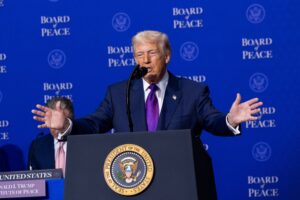
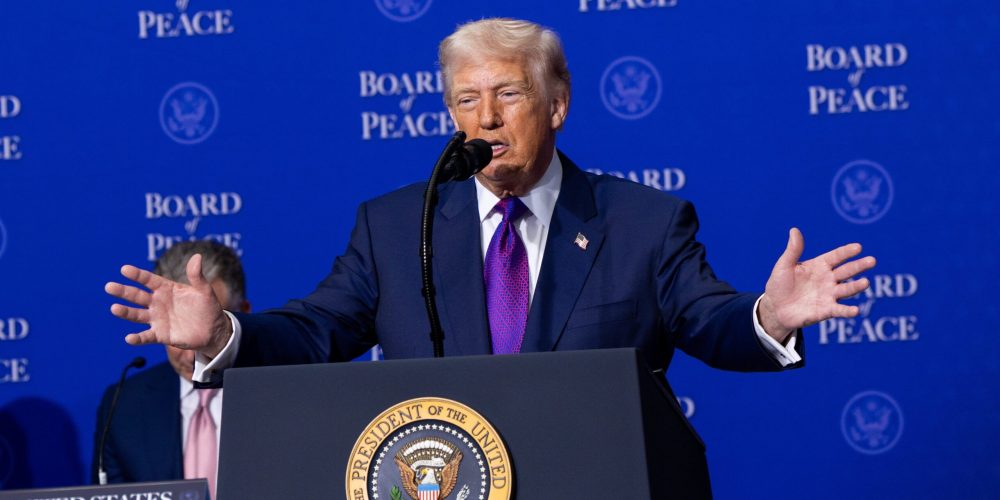
President Donald Trump recently provided a major update on the ongoing military tensions between the United States and Iran. During a high-profile address, he suggested that the conflict might conclude much sooner than many analysts initially expected. He attributed this potential shift to the heavy damage inflicted on Iranian military assets over the past several weeks.
The President highlighted the success of Operation Epic Fury in his remarks. He claimed that the joint efforts of American and Israeli forces have successfully dismantled key parts of the Iranian defense network. Specifically, he noted that the frequency of incoming missile and drone attacks has dropped by nearly 90 percent.
Despite the optimistic timeline for an end to the war, the President did not rule out further military action. He indicated that additional strikes might still occur to ensure all strategic objectives are fully met. These comments suggest that the administration is maintaining a maximum pressure campaign until a total surrender or a favorable deal is reached.
Trump also addressed the possibility of diplomatic talks with a new set of Iranian leaders. He mentioned that he is willing to engage in discussions if the terms are solid and benefit American interests. However, he clarified that no official agreement currently exists between the two nations.
The humanitarian and economic impact of the regional conflict remains a central concern for global observers. Energy supplies have faced significant disruptions, leading to fluctuations in international oil prices. The President noted that restoring stability to these markets is a priority once the military phase concludes.
Internal reports from the Pentagon support the President’s claims regarding weakened Iranian capabilities. Military leaders have seen a sharp decline in the operational readiness of the Revolutionary Guard. This degradation of power appears to be a driving factor behind the President’s belief in a short-term resolution.
While some Iranian officials have reportedly sought to resume nuclear talks, the White House remains cautious. Trump emphasized that any future relationship must look vastly different from previous administrations. He compared the desired outcome to recent political transitions in other regions that favored US-aligned leadership.
The administration continues to monitor the situation in the Strait of Hormuz closely. Ensuring the free flow of trade through this vital waterway remains a cornerstone of the current strategy. Any lingering threats to maritime security could lead to the extension of the five-day strike pause recently mentioned.
Supporters of the President’s approach view the rapid degradation of Iranian forces as a victory for his foreign policy. They argue that decisive action has prevented a much longer and more costly ground war. Critics, however, remain wary of the potential for sudden escalations before the final withdrawal occurs.
As the situation evolves, the world awaits a definitive move toward a ceasefire. The President’s latest speech serves as both a warning to adversaries and a promise to voters. He remains committed to ending the involvement of American troops in Middle Eastern conflicts as quickly as possible.