KEY POINTS
- Donald Trump plans to personally attend oral arguments regarding the end of birthright citizenship.
- The high-stakes legal case challenges a 19th-century constitutional interpretation of the 14th Amendment.
- Lower courts previously blocked the executive order, leading to this definitive Supreme Court review.
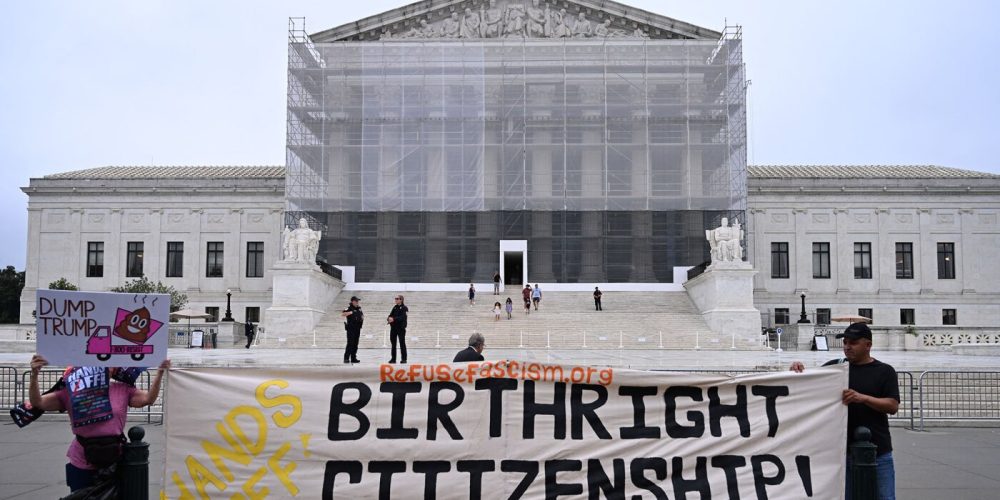
President Donald Trump announced his intention to appear at the Supreme Court on Wednesday. He plans to observe oral arguments regarding his executive order on birthright citizenship. This move marks a rare instance of a sitting president attending Supreme Court proceedings.
The case focuses on a directive signed by the president on his first day in office. This order instructs federal agencies to stop recognizing citizenship for children born on U.S. soil to non-citizen parents. It specifically targets parents who are in the country temporarily or without legal status.
Trump argues that the current system encourages illegal immigration and birth tourism. He believes the 14th Amendment does not grant automatic citizenship to everyone born in the United States. His legal team suggests the amendment only applies to those fully subject to U.S. jurisdiction.
Lower courts have consistently ruled against this executive order. Judges in various states, including New Hampshire, issued injunctions to halt its implementation. They cited a long history of legal precedent that guarantees citizenship by birth.
The Supreme Court will now decide if the president has the authority to change this policy. This decision could alter over a century of established constitutional law. A ruling is expected by the early summer.
The high court currently holds a 6-3 conservative majority. Three of the sitting justices were appointed by Trump himself. However, the court has ruled against the administration on other major policy issues recently.
Trump previously criticized the court after it struck down several of his global trade tariffs. He expressed skepticism about the outcome of the citizenship case on social media. Despite his concerns, he remains focused on ending what he calls an outdated practice.
The outcome will affect hundreds of thousands of families each year. Legal experts note that birthright citizenship has been the standard since the late 1800s. The 1898 Wong Kim Ark case is the primary precedent protecting this right.
Advocates for the policy argue that it promotes national unity and integration. They claim that removing this right would create a permanent class of non-citizens. Opponents argue that the United States is one of the few countries with such a broad policy.
The Wednesday hearing is part of a broader crackdown on immigration by the current administration. It serves as a major test of executive power versus constitutional tradition. The nation now waits to see how the highest court will interpret the 14th Amendment.