KEY POINTS
- A US District Judge issued a preliminary injunction halting the construction of a new White House ballroom.
- The legal challenge claims the administration bypassed mandatory congressional approvals and environmental reviews.
- Project supporters argue the upgrades are necessary for modern security and hosting high-profile international events.
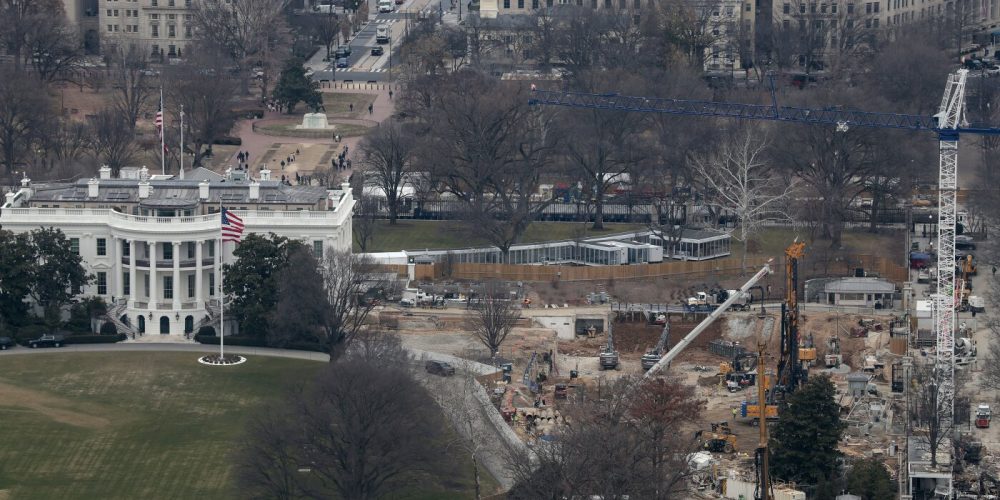
A federal judge in Washington recently halted a major renovation project at the White House. The ruling stops the construction of a massive ballroom estimated to cost 400 million dollars. This decision represents a significant legal setback for the current administration’s infrastructure plans.
US District Judge Tanya Chutkan issued the preliminary injunction on Tuesday afternoon. The ruling follows a lawsuit filed by a non-profit government oversight group. They argue the administration lacks the legal authority to move forward with the project.
The proposed ballroom would sit on the South Lawn of the executive mansion. It was designed to host large state dinners and international summits. Currently, the administration uses temporary tents for events with many guests.
The lawsuit claims the White House ignored several federal laws. It alleges the project skipped required reviews by the National Capital Planning Commission. The plaintiffs also argue the administration failed to perform a mandatory environmental impact study.
Lawyers for the oversight group believe the project violates the separation of powers. They state that Congress never specifically authorized funds for a new ballroom building. The administration used a general maintenance fund to finance the initial stages of construction.
Government attorneys defended the project in court last week. They argued the new structure is a matter of national security. They claim the current temporary setups are vulnerable to modern surveillance and physical threats.
The administration also stated the project would save money in the long term. They pointed to the high costs of renting and securing temporary structures every year. Officials believe a permanent facility is a necessary modern upgrade for the historic site.
Judge Chutkan found the plaintiffs’ arguments regarding congressional oversight persuasive. She noted that the public interest favors following established federal procurement procedures. The injunction will remain in place until a full trial occurs.
Work crews had already begun surveying the lawn and moving equipment to the site. All construction activity must now cease immediately. This delay could push the project completion date back by several years.
The White House expressed disappointment with the judicial ruling. A spokesperson stated that the administration is currently reviewing its legal options. They may choose to appeal the decision to a higher court in the coming weeks.
Opponents of the project praised the judge’s decision as a win for transparency. They argue that expensive renovations to historic landmarks require public input and legislative approval. For now, the South Lawn will remain in its current state.