KEY POINTS
- The Prime Minister introduced “Pride in Britain” as the new Labour campaign slogan.
- Starmer warned that the war with Iran creates a global volatility that requires steady leadership.
- Labour officials anticipate significant seat losses to Reform UK and the Green Party in May.
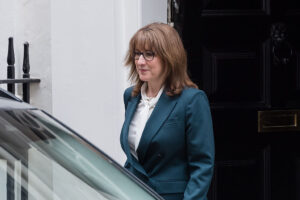
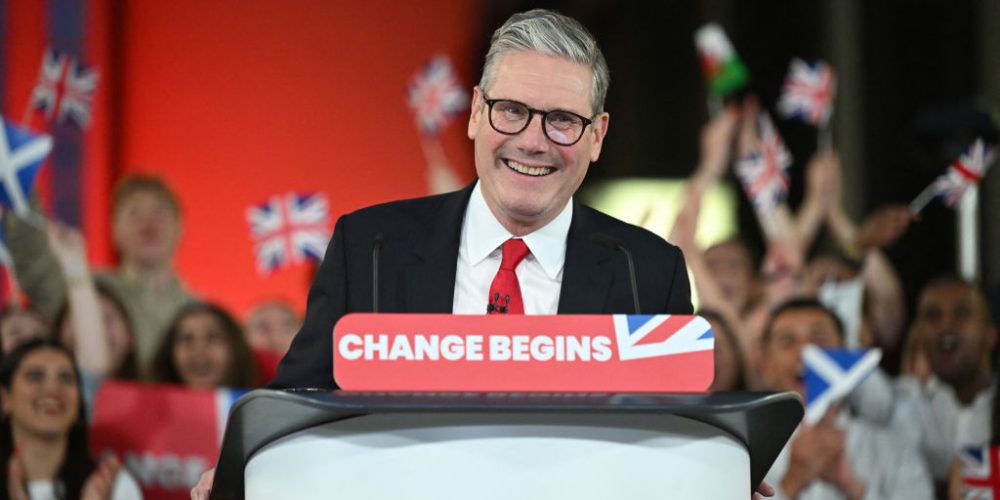
Prime Minister Keir Starmer officially launched Labour’s local election campaign on Monday with a rally in the West Midlands. Accompanied by deputy leader Lucy Powell and senior cabinet members, Starmer presented a strategy focused on economic stability. The campaign debut comes as the party braces for what internal experts predict will be a difficult night at the polls on May 7.
The center of Starmer’s message is the newly adopted slogan, “Pride in Britain.” He argued that the country’s values are currently facing a rigorous test due to a volatile international landscape. The Prime Minister specifically cited the ongoing war involving Iran as a reason for voters to maintain their support for the current government.
Starmer used the launch to contrast his administration’s “judgment” with that of his political opponents. He criticized leaders from the Conservative and Reform UK parties for their early support of military strikes against Iran. The Prime Minister claimed that such a “reckless” approach would have ignored the resulting economic consequences for British households.
The cost of living remains the primary domestic concern for the Labour campaign. Starmer listed several government interventions aimed at easing financial pressure on working families. These measures include recent increases to the living wage, pension adjustments, and efforts to lower national energy bills.
Despite the focus on achievements, Labour strategists are reportedly preparing for “sweeping losses” across various regions. Polls suggest the party could lose control of the Welsh Senedd for the first time in nearly three decades. In Scotland, the SNP appears positioned to block Labour’s path to a majority in Holyrood.
The rise of Reform UK poses a specific threat in Labour’s traditional heartlands in the north of England. Meanwhile, the Green Party is expected to make significant gains in several inner London boroughs. Starmer’s team has shifted its rhetoric to accuse these parties of offering “wrong answers” to the nation’s complex problems.
Local issues are also impacting the party’s prospects in major metropolitan areas like Birmingham. Ongoing disputes over municipal services have created friction with local voters ahead of the council elections. Starmer emphasized that his government is working to “earn every vote” despite these localized challenges.
The outcome of the May elections is widely seen as a critical test for Starmer’s leadership. Some political analysts suggest that disastrous results could trigger internal challenges to his position as Prime Minister. However, Starmer insisted that his party remains firmly focused on “the pounds in people’s pockets.”
Cabinet ministers are expected to conduct over 30 high-profile visits during the first week of the campaign. This follows a weekend where the party reportedly held approximately 7,000 local events across the country. The aggressive scheduling reflects a determined effort to mitigate predicted losses and stabilize the party’s base.