KEY POINTS
- Sony Group is raising the retail price of PlayStation 5 consoles by up to $150, marking the second significant price revision in less than a year.
- The price adjustment is driven by a global surge in memory chip costs as semiconductor manufacturers prioritize high-margin AI infrastructure.
- New pricing will take effect globally on April 2, 2026, impacting the standard PS5, the Digital Edition, the PS5 Pro, and the PlayStation Portal.
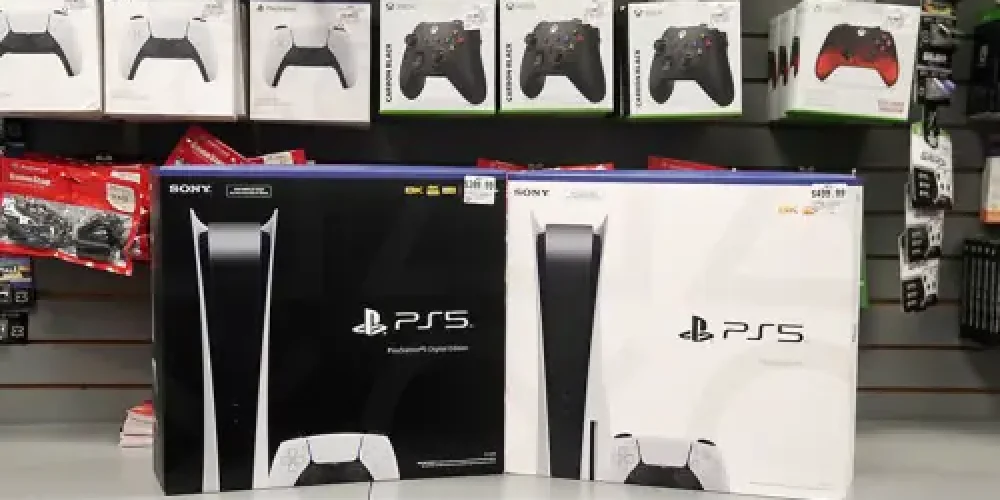
Sony Group has announced another global price increase for its PlayStation 5 console lineup, citing extreme pressure from rising hardware costs and supply chain disruptions. Effective April 2, 2026, the cost of a standard PlayStation 5 in the United States will jump by $100 to $649.99. This move comes as the Japanese technology giant grapples with an increasingly expensive semiconductor market, where essential components like high-bandwidth memory and RAM have seen prices skyrocket over the past several months.
The primary driver behind this decision is the intense global race to build out artificial intelligence infrastructure. Major memory chip manufacturers have shifted their production focus toward high-margin data-center chips required for AI, significantly tightening the supply available for consumer electronics. Additionally, recent geopolitical instability in West Asia has disrupted the supply of helium—a critical ingredient in semiconductor manufacturing—further driving up production expenses for electronics across the board.
In the United States, the new pricing structure will see the PS5 Digital Edition rise to $599.99, while the premium PS5 Pro will experience the largest hike, increasing by $150 to a new retail price of $899.99. The PlayStation Portal remote player is also affected, with its price climbing from $199.99 to $249.99. Similar price adjustments are being rolled out simultaneously across Europe, the United Kingdom, and Japan as Sony attempts to protect its hardware margins in a challenging economic landscape.
Industry analysts warn that these consecutive price hikes may dampen growth within the video game market this year. Typically, console prices decrease as hardware ages, but the current generation has defied this trend due to persistent inflation and component scarcity. The announcement follows a lackluster holiday quarter for Sony, which saw PlayStation 5 unit sales fall 16% year-over-year. High costs are already impacting the broader industry, with major developers recently citing sluggish console performance as a factor in large-scale workforce reductions.
Sony expressed regret over the impact on its user base but maintained that the step was necessary to sustain its long-term innovation and high-quality gaming experiences. The company had previously implemented a $50 price increase in August 2025, meaning that by next week, the cost of a PlayStation 5 will be approximately 30% higher than it was at this time last year. This trend has sparked concerns among consumers that high-end gaming is increasingly becoming a luxury reserved for more affluent households.
While Microsoft and Nintendo have also adjusted some hardware and accessory prices over the last year, Sony is the first major manufacturer to implement such a substantial hike in 2026. Retailers are expecting a brief surge in sales before the April 2 deadline as shoppers attempt to secure consoles at current rates. However, with the highly anticipated release of major titles like “Grand Theft Auto VI” still on the horizon, the increased barrier to entry could shift how many fans are able to participate in the current console generation.
As the tech industry continues to navigate a “memory shortage” that some suppliers expect to persist for several years, the era of affordable gaming hardware appears to be receding. Sony’s strategic shift highlights a growing reality for global electronics: as long as the demand for AI computing continues to consume the world’s semiconductor capacity, prices for consumer-grade devices are likely to remain elevated.