KEY POINTS
- India has reportedly indicated a willingness to support a two-year extension of the global moratorium on digital trade tariffs.
- The shift comes just as the decades-old agreement was set to expire, potentially ending India’s long-standing opposition.
- The United States continues to push for a permanent ban, leaving a gap between the two nations’ positions ahead of a critical WTO meeting.
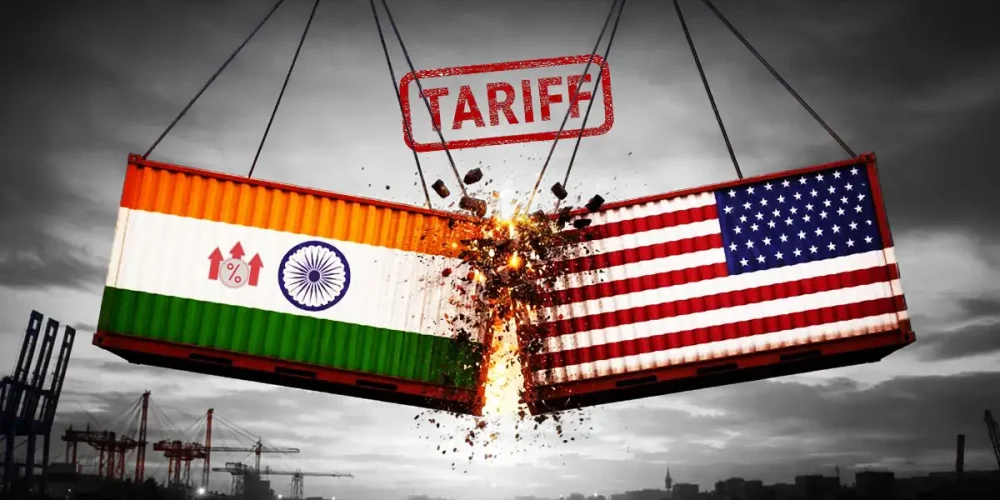
India has signaled a potential breakthrough in global digital trade negotiations by indicating it may drop its long-held opposition to a tariff-free e-commerce agreement. According to senior diplomatic sources, New Delhi suggested late Friday night that it would agree to extend the current moratorium on electronic transmission duties for an additional two years. This development comes at a critical juncture, as the existing global agreement was on the verge of expiring this month.
The moratorium, which has been in place for nearly three decades, prevents World Trade Organization (WTO) member states from imposing customs duties on digital downloads, streaming services, and other electronic transmissions. India, alongside several other developing nations, has historically argued that the ban results in significant revenue losses and limits their ability to regulate their growing digital economies. However, this recent signal of openness suggests a willingness to maintain market predictability for global tech firms.
Despite this movement from India, significant friction remains with the United States. While India is proposing a short-term, two-year extension, U.S. Trade Representative Jamieson Greer has reiterated that Washington is only interested in a permanent ban. American business leaders have long argued that a permanent moratorium is essential to provide the regulatory certainty needed for major tech giants like Amazon, Microsoft, and Apple to operate across borders without the threat of sudden costs.
The debate is taking place during a high-stakes WTO meeting in Yaounde, Cameroon, where the organization is struggling to prove its continued relevance. The global trade landscape has been heavily disrupted over the past year by conflict in the Middle East, which has strained energy prices and supply chains. Against this backdrop, several member states view the extension of the e-commerce moratorium as a vital “concrete delivery” that would prevent further economic instability.
Diplomats are reportedly searching for a middle path that might satisfy both sides, with some members suggesting a longer-term extension of five to ten years. Proponents of this compromise argue it would bypass the need for a permanent deal—which currently lacks consensus—while providing a much longer runway than India’s proposed two-year window. It remains uncertain whether either Washington or New Delhi will accept such a middle ground as the Saturday meeting approaches.
The outcome of these talks carries heavy implications for the digital economy. If the moratorium is allowed to lapse, countries could technically begin imposing tariffs on everything from software updates to digital movies and music. Business advocacy groups have warned that such a move would lead to a fragmented digital landscape and increased costs for consumers globally. For India, the decision to pivot toward an extension reflects a delicate balance between protecting domestic policy space and encouraging international investment.
As negotiations continue, the international community is watching to see if a formal consensus can be reached before the deadline. While the initial sign of an opening in India’s position has provided a glimmer of hope for a deal, the distance between a temporary and permanent solution remains the primary hurdle. The final decision will likely serve as a bellwether for the future of global digital trade and the ability of the WTO to navigate complex geopolitical divisions.