KEY POINTS
- Authorities shuttered the ports of Ashburton, Dampier, and Varanus Island as Tropical Cyclone Narelle intensified into a severe Category 4 system.
- The closures have halted critical iron ore and liquefied natural gas (LNG) exports for global majors including Rio Tinto, Chevron, and Santos.
- Global commodity markets reacted immediately to the supply threat, with iron ore futures climbing over 2% in Singapore and China.
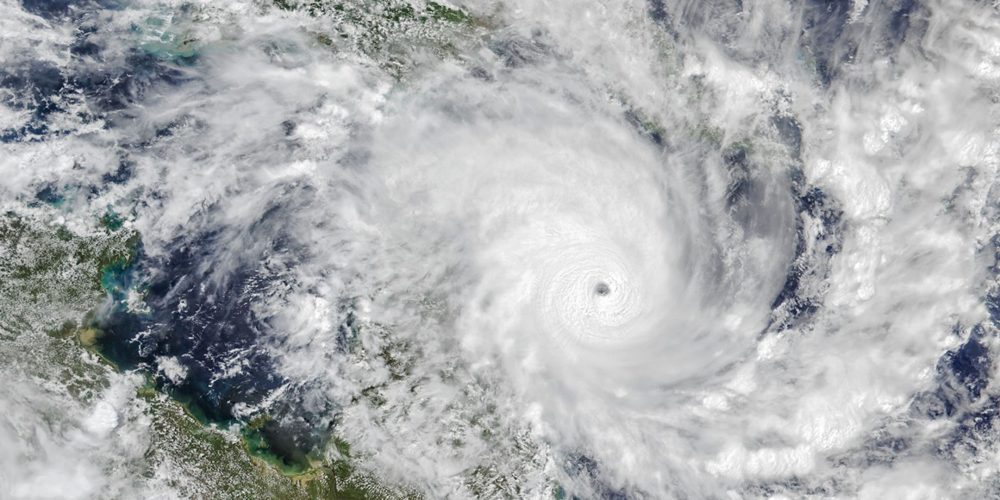
A powerful tropical cyclone has forced the complete shutdown of several primary export terminals in Western Australia’s resource-rich Pilbara region. Tropical Cyclone Narelle, which strengthened rapidly into a Category 4 system on Thursday, brought storm-force winds and hazardous sea conditions to the coast. The Pilbara Ports Authority confirmed that operations at the ports of Ashburton, Dampier, and Varanus Island were suspended to ensure the safety of personnel and infrastructure.
The disruption hits the heart of Australia’s mining and energy sectors. The Port of Ashburton serves as a critical exit point for Chevron’s Wheatstone LNG project, while Dampier is a primary hub for Rio Tinto’s massive iron ore operations. Additionally, the Varanus Island terminal, operated by Santos, has ceased activities. While Port Hedland—the world’s largest iron ore export point—remained operational as of Thursday afternoon, authorities are monitoring the storm’s path closely as it moves parallel to the coastline.
Meteorological reports indicate that the cyclone is generating destructive wind gusts of up to 275 kilometers per hour. These extreme conditions prompted mining companies to activate emergency response protocols, which included clearing all vessels from berths and evacuating non-essential workers from coastal facilities. In addition to port closures, some inland mining operations have scaled back activity to mitigate risks from potential flooding and wind damage to rail infrastructure.
The impact of the storm was felt instantly in international commodity markets. In Singapore, iron ore futures rose by 2.15% to $107.45 per ton as traders weighed the potential for prolonged supply bottlenecks. Similarly, the most-traded contract on China’s Dalian Commodity Exchange saw gains, though some of the rise was tempered by existing production restrictions in Chinese industrial hubs. Analysts suggest that even a brief closure can cause a backlog of shipments that takes weeks to clear.
This weather event adds further strain to global energy and mineral supply chains already grappling with geopolitical instability. Australia is the world’s leading exporter of iron ore and a top provider of LNG, meaning any significant downtime in the Pilbara region can trigger price volatility across Asia and Europe. Logistics experts warn that the true extent of the disruption will depend on whether the cyclone causes structural damage to the specialized loading equipment used at these terminals.
Recovery efforts will only begin once the “all clear” is given by emergency services, a process that typically involves comprehensive safety inspections of berths and shipping channels. While the ports are designed to withstand seasonal weather, the intensity of a Category 4 system carries the risk of silting in harbors or damaging the heavy machinery required for bulk loading. Most major miners maintain stockpiles to buffer against short-term outages, but a multi-day closure could impact quarterly export targets.
As the system continues its journey south, regional businesses and residents are also bracing for heavy rainfall and localized flooding. Supermarket chains have reportedly moved extra stock into the region to prepare for potential road closures that could isolate remote mining communities. The situation remains fluid, and market participants are keeping a close watch on the Australian Bureau of Meteorology for updates on the storm’s eventual landfall or decay.