KEY POINTS
- The U.S. administration paused planned strikes on Iranian energy infrastructure following a series of diplomatic breakthroughs.
- President Trump expressed optimism regarding ongoing negotiations, stating that discussions with Tehran are moving in a positive direction.
- Global oil markets responded immediately to the de-escalation, with crude prices dropping nearly four percent in early trading.
The United States government has officially suspended its threats to target Iranian energy facilities following a shift in diplomatic relations. President Trump announced the pause on Thursday, signaling a potential breakthrough in the long-standing standoff. This decision marks a significant departure from the aggressive military rhetoric observed over the previous weeks.
The administration previously suggested that Iranian oil refineries and power plants were potential targets for military action. These threats followed a series of regional escalations that disrupted international shipping lanes and global energy security. However, the President now indicates that direct talks between the two nations are yielding constructive results.
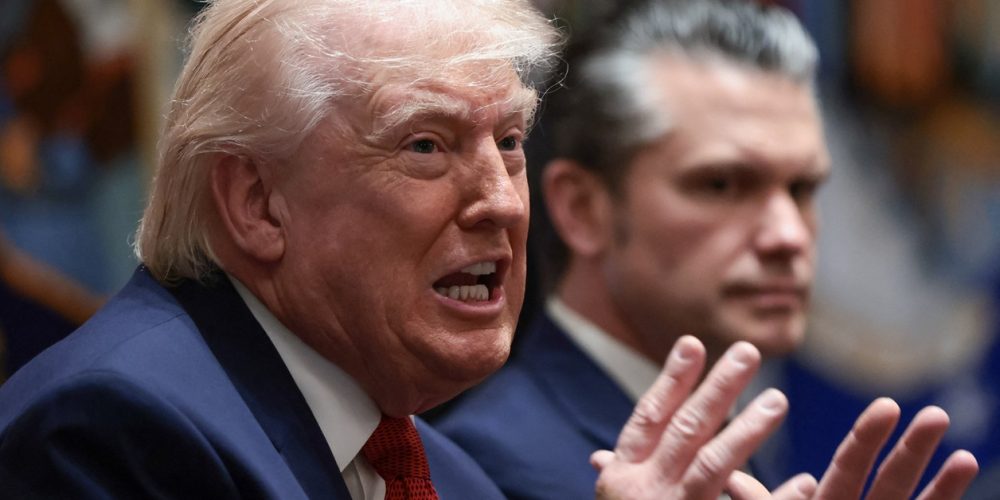
President Trump characterized the current state of negotiations as highly productive during a brief press conference. He noted that both sides are finding common ground on several critical security and economic issues. While he did not provide specific details of the proposed deal, he suggested that a formal agreement could be near.
International energy markets reacted swiftly to the news of the military de-escalation. Brent crude and West Texas Intermediate prices fell sharply as the immediate threat of supply disruptions faded. Investors had previously feared that a conflict in the region would push fuel costs to record highs this spring.
European and Asian allies have reportedly encouraged this diplomatic pivot to stabilize the global economy. Many world leaders expressed concern that an attack on energy infrastructure would trigger a worldwide recession. The current pause allows for a cooling-off period as mediators from several neutral nations facilitate the dialogue.
Despite the temporary halt in military posturing, the U.S. maintains that all options remain available if talks fail. The administration continues to enforce strict economic sanctions while the diplomatic process unfolds in neutral territory. Defense officials confirmed that military assets in the region remain at a high state of readiness.
The Iranian government has not yet issued a detailed public response to the latest comments from Washington. However, local media reports suggest that Tehran is open to a framework that addresses its primary economic grievances. The success of the talks likely depends on a mutual agreement regarding regional influence and nuclear capabilities.
Political analysts suggest that the President is seeking a major foreign policy victory ahead of the summer season. A successful de-escalation would allow the administration to focus on domestic economic priorities and trade initiatives. This shift reflects a strategic preference for leveraged negotiation over direct kinetic involvement.
The next round of high-level meetings is scheduled to take place in Switzerland later this week. Diplomats expect these sessions to focus on the technical aspects of a potential energy and security pact. The goal remains to create a sustainable peace that prevents future military confrontations in the Middle East.
Public reaction to the news has been mixed, with some lawmakers praising the restraint while others remain skeptical of Tehran’s intentions. The White House maintains that it will prioritize American interests throughout every stage of the negotiation. For now, the world watches closely as the threat of a major energy conflict begins to recede.