KEY POINTS
- Russia’s Defence Ministry claims its forces seized the village of Sheviakivka in the Kharkiv region.
- Ukrainian paratroopers report retaking the village of Berezove located in the Dnipropetrovsk region.
- These tactical movements occur as both nations brace for a significant springtime offensive following a breakdown in peace talks.
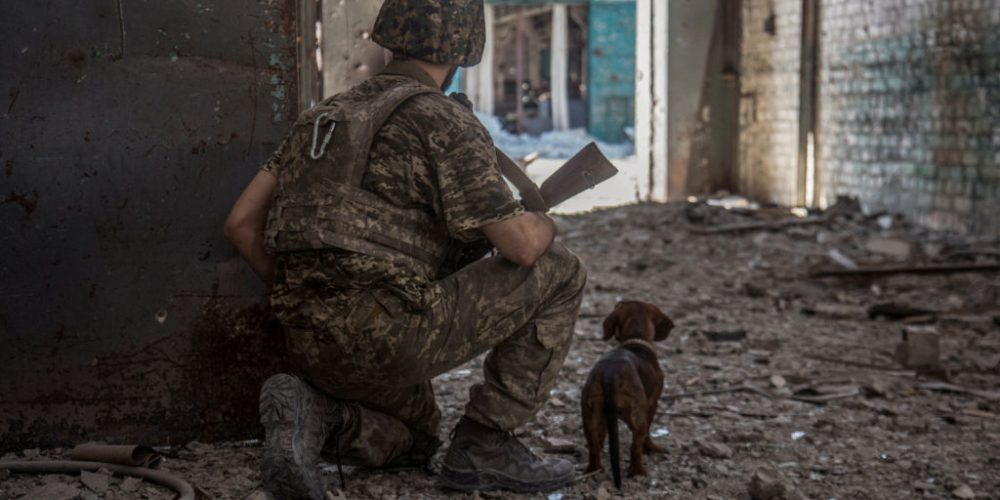
Both Russia and Ukraine reported the capture of frontline settlements on Thursday as the conflict intensifies ahead of a predicted spring campaign. The Russian Defence Ministry announced that its units took control of Sheviakivka, a village in the northeastern Kharkiv region. This claim aligns with Moscow’s stated objective to establish buffer zones along the international border.
Ukraine’s military has not officially confirmed the loss of Sheviakivka to Russian forces. Instead, the Ukrainian Command of Paratroop Assault Forces publicized its own tactical success to the south. The 95th Separate Assault Brigade reportedly liberated the village of Berezove within the Dnipropetrovsk region.
The competing reports highlight the localized nature of current combat operations along the 1,250-kilometer front line. Russian officials indicate they intend to expand these buffer zones into the Sumy and Kharkiv regions. These maneuvers aim to push Ukrainian artillery further away from Russian territory and secure logistics hubs.
Ukrainian President Volodymyr Zelenskiy previously noted that his forces have made recent advances in several southern sectors. The liberation of Berezove is part of a broader effort to repel Russian incursions near the Dnipropetrovsk-Zaporizhzhia border. Analysts suggest Ukraine is building on these small successes to disrupt a wider Russian offensive.
Military sources indicate that the current fighting focuses heavily on the Fortress Belt in the eastern Donetsk region. This area consists of several heavily defended cities that act as the backbone of Ukraine’s defensive line. Both sides are currently racing to fortify their positions before the ground hardens for larger mechanized assaults.
President Zelenskiy also addressed the state of international diplomacy during a recent interview with Reuters. He revealed that U.S.-backed security guarantees for a potential peace deal remain stalled over territorial demands. Reports suggest Washington made these guarantees conditional on Kyiv ceding the entire Donbas region to Russia.
The intensity of these frontline clashes has increased following the collapse of those high-level peace negotiations. Both nations now appear committed to seeking a military advantage on the battlefield throughout the spring and summer. Russia continues to deploy fresh reserves while Ukraine focuses on precision drone strikes and tactical counterattacks.
Independent verification of these specific village captures remains difficult due to the volatile nature of the combat zones. Official statements often serve as part of a broader information campaign to maintain domestic and international morale. However, satellite imagery and military monitors confirm a general uptick in localized offensive activity.
The humanitarian impact of these shifting front lines remains a critical concern for international aid organizations. Residents in the Kharkiv and Dnipropetrovsk border regions face constant shelling as villages change hands multiple times. Displacement numbers continue to rise as families flee from the advancing combat zones.
As the fifth year of full-scale war begins, neither side appears ready to initiate a significant ceasefire. The capture of minor villages like Sheviakivka and Berezove reflects a grinding war of attrition. Both militaries are now preparing for what could be the most decisive period of the conflict since 2022.