KEY POINTS
- The Federal Maritime Commission reports that Chinese authorities are holding multiple ships flying the Panamanian flag.
- This maritime friction stems from an ongoing international dispute regarding the ownership and operation of strategic ports.
- U.S. officials are investigating whether these detentions violate international shipping laws or existing commercial trade agreements.
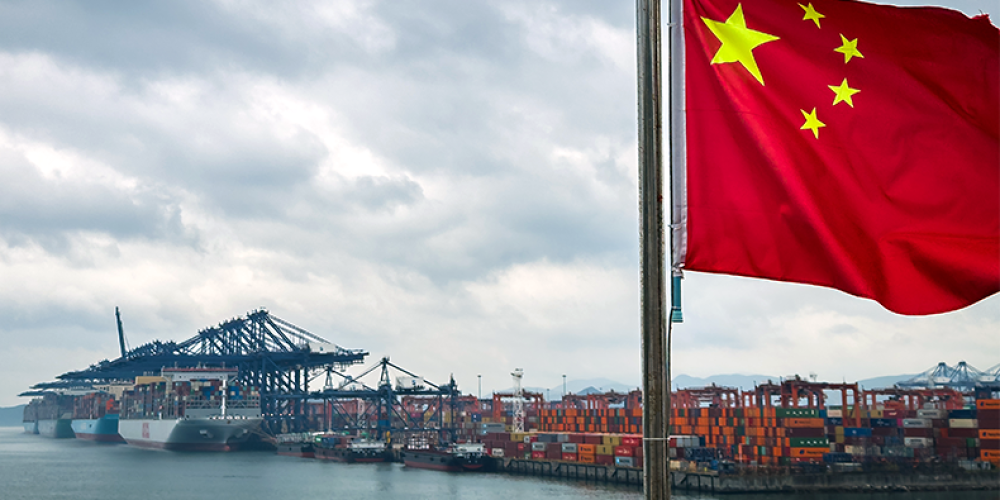
The Federal Maritime Commission announced on Friday that China is currently detaining several merchant vessels. These ships all fly the flag of Panama while operating in Chinese territorial waters. This development marks a significant escalation in a growing battle over international port control.
Maritime regulators are closely monitoring the situation to determine the legal basis for these actions. Preliminary reports suggest that the detentions are linked to disputes over port management contracts. China has recently moved to increase its influence over critical maritime infrastructure across the globe.
The Federal Maritime Commission remains concerned about the impact on global supply chains and trade flow. Panama operates the largest ship registry in the world by total number of vessels. Any targeted action against this fleet could disrupt the movement of essential goods and raw materials.
U.S. officials are currently reviewing the details of each specific vessel detention. They seek to understand if Chinese authorities are applying regulations fairly or using them for leverage. These investigations will focus on potential breaches of established international maritime protocols.
The conflict involves complex legal arguments regarding who has the right to manage major shipping hubs. Several international firms have recently challenged Chinese state-owned enterprises for control of specific docking facilities. These commercial rivalries are now manifesting as direct interventions by government agencies at sea.
Shipping industry experts suggest that these detentions may serve as a warning to other maritime nations. China appears determined to protect its vast investments in the global “Belt and Road” logistics network. Control over ports allows nations to influence both regional security and economic prosperity.
The Panamanian government has not yet issued a formal diplomatic protest regarding the status of its ships. However, maritime legal experts expect a coordinated response if the detentions continue for an extended period. The safety and well-being of the crews on board remains a top priority for all parties.
Global shipping rates often fluctuate based on political stability in major trading regions like East Asia. Investors are watching for any signs that this dispute could lead to broader maritime sanctions. Continued friction could force logistics companies to reroute vessels at a significant financial cost.
The Federal Maritime Commission has the authority to take retaliatory action if it finds evidence of unfair practices. This could include imposing fees or restrictions on Chinese-flagged ships entering American ports. For now, the commission is prioritizing data collection and diplomatic communication to resolve the standoff.
The situation remains fluid as more data arrives from port authorities and satellite tracking systems. Both Beijing and Washington are currently engaged in a broader competition for dominance in the maritime sector. This latest incident highlights how commercial port disputes can quickly transform into international security concerns.