KEY POINTS
- SpaceX is reportedly preparing for a historic June 2026 public listing that could raise more than $75 billion at a $1.75 trillion valuation.
- Investors who purchased shares through secondary markets and special-purpose vehicles face significant hurdles in verifying their actual ownership.
- The company’s recent merger with xAI and shift toward orbital data centers have intensified market demand despite growing transparency concerns.
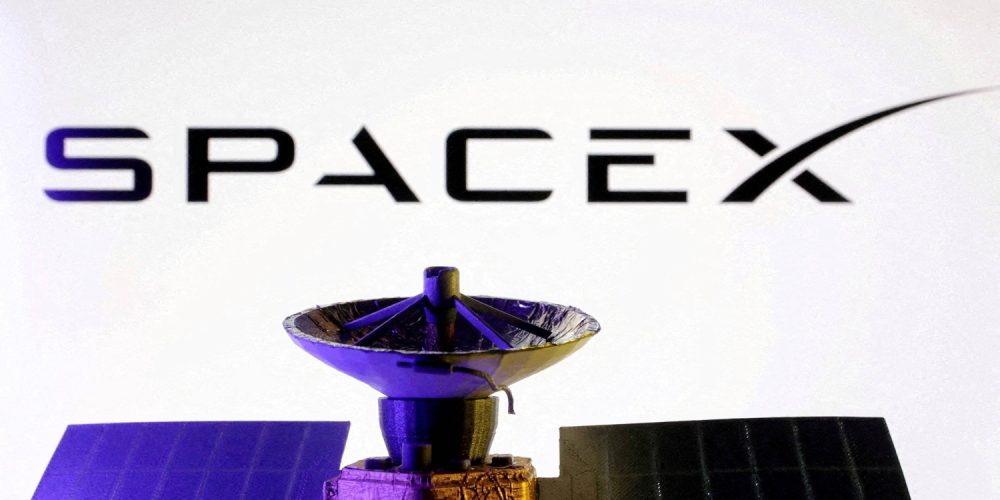
As the aerospace industry prepares for what could be the largest initial public offering in history, a shadow has emerged over the opaque world of pre-IPO trading. SpaceX is reportedly aiming to file its formal prospectus with regulators within the next week, targeting a market debut that reflects its evolution into a trillion-dollar conglomerate. However, for a growing segment of individual investors who sought early entry through secondary markets, the excitement is tempered by legal and administrative uncertainty. Many who believe they own a stake in the Elon Musk-led venture are finding it increasingly difficult to confirm their holdings as the company nears its public transition.
The root of the issue lies in the complex web of intermediaries used to facilitate private share sales. Because SpaceX has historically limited direct investment to institutional partners and early backers, smaller investors have relied on special-purpose vehicles (SPVs). These entities often do not hold the shares directly but instead pool capital to secure rights for future purchases. In some instances, shares pass through as many as five different layers of brokers and holding companies. This fragmentation has created a “loosey-goosey” environment where the ultimate proof of ownership is obscured by multiple tiers of fees and paperwork, leading some industry veterans to warn of potential shocks when the company finally lists on the Nasdaq.
Despite these structural risks, investor appetite remains at an all-time high, driven by the company’s massive operational scale and strategic pivots. SpaceX entered 2026 following a record-breaking year of 122 successful launches and a surge in Starlink subscribers to over 9.2 million. The valuation is further bolstered by a transformative merger with the artificial intelligence firm xAI, which was finalized in February. This move signals a fundamental shift in the company’s business model, moving beyond satellite internet toward the construction of orbital data centers that leverage solar energy and space-based cooling for AI compute workloads.
Financial analysts are closely monitoring the expected filing, noting that the $75 billion fundraising target would dwarf previous records held by global giants like Saudi Aramco. The IPO is anticipated to include a significant allocation for individual investors, potentially exceeding 20 percent of the offering. This high level of retail participation is partly intended to capture the enthusiasm of Tesla shareholders, whom Musk has expressed a desire to reward with priority access. However, the sheer demand has inadvertently created a fertile ground for secondary market fraud, with legal experts noting that diligence becomes nearly impossible once a deal sits behind more than one intermediary.
The transition to a public company will bring much-needed transparency to a firm that has operated with relatively little outside scrutiny for over two decades. A public listing will require SpaceX to regularly disclose detailed financial performance, including the profitability of its Starlink and Starship programs. For those holding legitimate pre-IPO shares, the payoff could be monumental, potentially tripling their initial investments. Yet, for those caught in the web of unverified SPVs, the coming months will be a period of intense verification to ensure their digital paperwork translates into actual equity in the world’s most valuable space enterprise.
As the June listing date approaches, the broader space sector is already feeling the impact. Shares of peer companies in the aerospace and satellite industries have seen a lift as enthusiasm builds for the “Netscape moment” of the space age. The successful integration of xAI and the expansion of orbital infrastructure have positioned SpaceX as a bellwether for both the technology and defense sectors. While the administrative complexities of the private market remain a hurdle for some, the momentum toward a record-breaking debut appears unstoppable, promising to redefine the global capital markets and the future of orbital commerce.