KEY POINTS
- Granada’s Holy Week features 32 distinct brotherhoods that lead intricate processions through the city’s historic medieval streets.
- The celebrations combine religious devotion with artistry, featuring massive hand-carried floats and traditional atmospheric music.
- Unique local highlights include the “Procession of the Gypsies,” which winds through the Sacromonte district accompanied by hillside bonfires.
Granada is currently transformed by the sights and sounds of Semana Santa, one of the most visually arresting religious festivals in Europe. While many Spanish cities mark the week leading up to Easter, the Andalucian city of Granada offers a particularly dramatic backdrop. The narrow, winding alleys of the Albayzín district and the constant presence of the Alhambra palace create an atmosphere that feels centuries old. This year, thousands of visitors have gathered to witness the elaborate public displays of faith that define the local culture.
The heart of the event lies with the city’s “cofradías” or lay brotherhoods. These organizations spend the entire year preparing for their specific march to the Granada Cathedral. Each brotherhood possesses “pasos,” which are enormous, highly decorated wooden floats depicting scenes from the Passion of the Christ or the sorrows of the Virgin Mary. These structures are not motorized; instead, they are carried on the shoulders of local men known as “costaleros.” Moving in rhythmic unison, these carriers navigate steep inclines and tight corners with remarkable precision.
Music plays a vital role in pacing these long journeys, which can last for over eight hours. Somber brass bands and thumping drums follow the floats, playing traditional marches that echo off the stone walls of the city. In moments of quiet, a single voice might break out from a balcony above, singing a “saeta.” This is a mournful, flamenco-style prayer delivered without instrumental accompaniment. These spontaneous performances often bring the entire procession to a standstill as the crowd listens in silence.
One of the most anticipated events of the week is the “Cristo de los Gitanos” procession, which takes place on Wednesday night. This march leaves the city center and climbs toward the Sacromonte caves, the traditional home of the city’s Roma community. As the float ascends the hills, spectators light large bonfires along the path to guide the way. The combination of firelight, incense, and the silhouettes of the surrounding mountains makes this one of the most photographed moments of the entire festival.
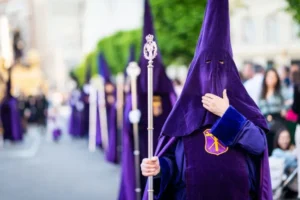
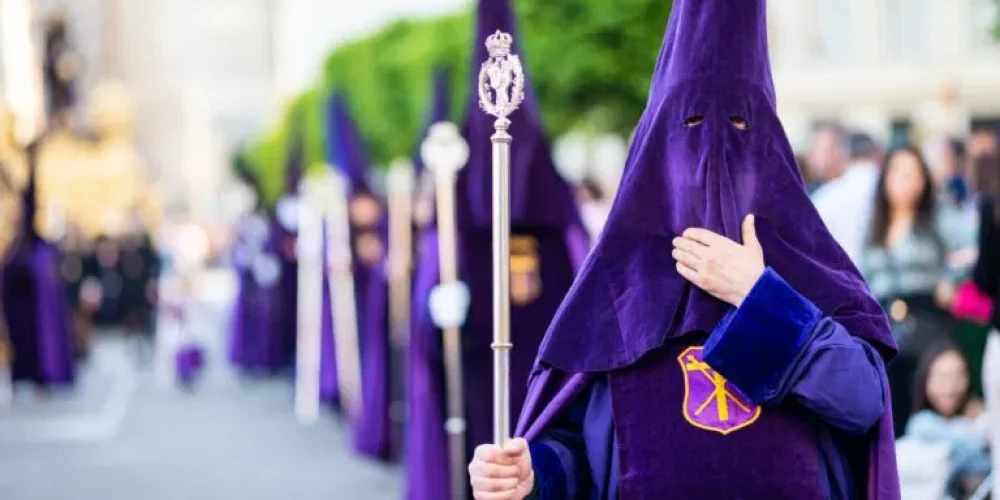
The participants in the parades, known as “nazarenos,” wear traditional robes and pointed hoods called “capirotes.” While these garments can be striking to international visitors, they serve a specific historical purpose of ensuring anonymity for the penitents. Each brotherhood is identified by the specific colors of their robes, ranging from deep purples and blacks to vibrant whites and reds. Children often participate as well, handing out small candles or sweets to onlookers as they pass by.
For travelers, navigating Granada during this week requires careful planning. Most of the main thoroughfares are closed to vehicle traffic to accommodate the crowds and the massive floats. Tapas bars and cafes remain packed late into the night, as the final processions often do not return to their home churches until the early hours of the morning. Local residents often dress in formal attire, treating each day of the week with the solemnity and celebration usually reserved for major holidays.
While the religious significance is the primary driver for many participants, the week has also become a massive driver for the local tourism economy. Hotels in the historic center are typically booked months in advance. The event showcases the city’s ability to preserve its historical identity while welcoming a global audience. It is a sensory experience that combines the scent of orange blossoms and melting beeswax with the heavy weight of historical tradition.
As Easter Sunday approaches, the mood shifts from mourning to celebration. The final processions are lighter and more joyous, marking the end of a grueling but spiritually significant week for the people of Granada. For those witnessing it for the first time, the scale and intensity of the event leave a lasting impression of the deep-seated cultural heritage of southern Spain.