KEY POINTS
- The United States plans to send approximately 3,000 to 4,000 soldiers from the elite 82nd Airborne Division.
- This deployment significantly bolsters the existing force of 50,000 American troops already stationed in the region.
- Military reinforcements arrive as the White House explores diplomatic options despite ongoing combat operations.
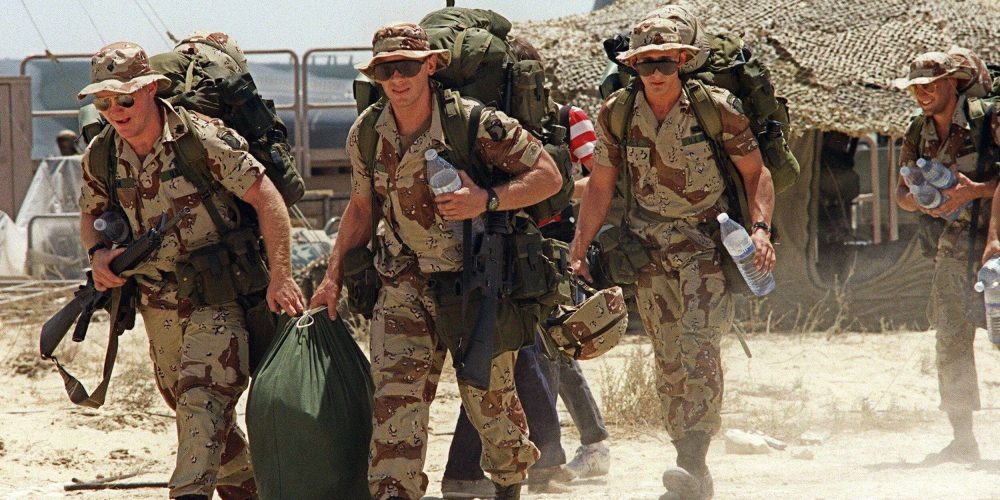
The Pentagon is preparing to deploy thousands of additional soldiers to the Middle East as the conflict with Iran enters a critical phase. Sources familiar with the matter indicate that the elite 82nd Airborne Division will provide the bulk of these reinforcements. This move follows a massive military buildup that has seen tens of thousands of personnel arrive in the region recently.
The 82nd Airborne Division specializes in rapid-response missions and can deploy within 18 hours of receiving orders. These soldiers are currently stationed at Fort Bragg, North Carolina, awaiting their final movement instructions. While their exact destination remains confidential, the deployment is intended to strengthen operational readiness for potential future missions.
This latest surge in troop numbers comes shortly after the arrival of thousands of Marines and sailors. Those forces traveled aboard the USS Boxer and other amphibious assault ships to provide maritime support. Together, these deployments represent a significant expansion of the American military footprint since the current hostilities began in late February.
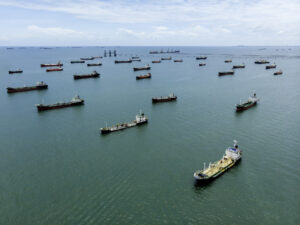
Government officials emphasized that no final decision has been made to send ground troops directly into Iranian territory. Instead, the additional personnel will build capacity for a range of strategic options across the theater of operations. These possibilities include securing critical energy infrastructure and protecting vital shipping lanes like the Strait of Hormuz.
The timing of the deployment is particularly notable given recent diplomatic developments in Washington. President Donald Trump recently suggested that “productive” talks were occurring behind the scenes to find a peaceful resolution. However, representatives from Tehran have publicly denied that any such negotiations are currently taking place between the two nations.
Military planners are reportedly weighing several high-stakes scenarios for the newly arriving forces. Options under discussion include the potential for limited ground operations to secure Iranian oil export hubs or nuclear facilities. Experts warn that any such move would carry immense political and physical risks for the administration and its troops.
Domestic public opinion remains a significant factor as the military campaign enters its fourth week. Recent polling suggests that a majority of Americans oppose a large-scale ground war despite supporting targeted defensive strikes. The administration must balance these political concerns with the stated goal of neutralizing regional threats.
Prior to these new reinforcements, there were approximately 50,000 U.S. troops already operating in the Middle East. The ongoing conflict has already impacted global energy markets and raised international security concerns to historic levels. Global leaders continue to call for restraint as the risk of a broader regional war persists.
As the 82nd Airborne prepares for departure, the situation remains highly fluid and unpredictable. The Pentagon and White House have declined to provide a specific timeline for the arrival of the paratroopers. For now, the focus remains on maintaining a dominant military presence while searching for a diplomatic breakthrough.