KEY POINTS
- Western naval forces struggle to protect commercial shipping through the Red Sea and Gulf regions.
- The Strait of Hormuz presents a significantly greater strategic challenge than other recent maritime conflicts.
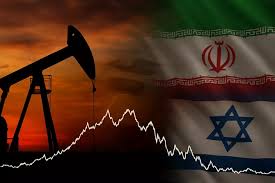
- Global oil markets face extreme volatility due to the potential closure of vital narrow waterways.
Western powers face a growing crisis as they struggle to maintain safe passage for international shipping. Recent military efforts in the Red Sea have not yet restored total security for commercial vessels. Naval commanders now warn that protecting the Strait of Hormuz will prove even more difficult and complex.
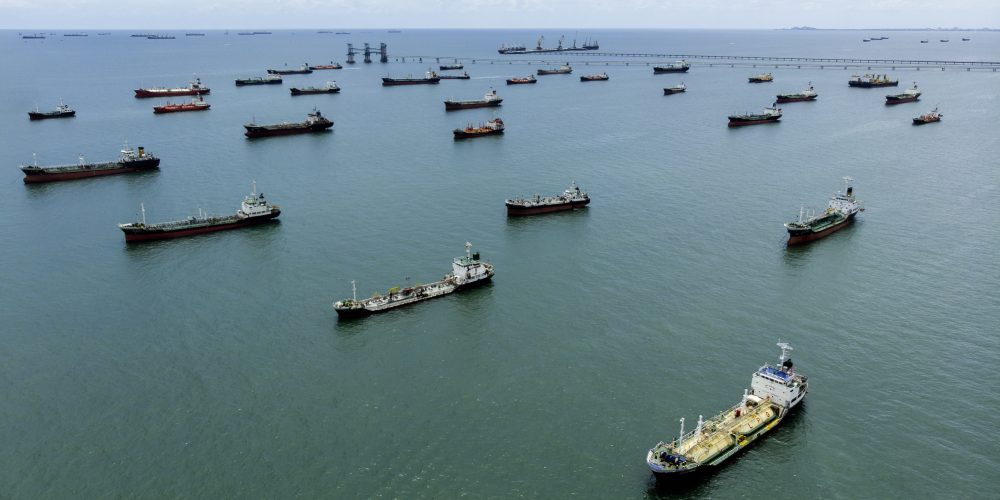
The Strait of Hormuz serves as the primary artery for the world’s crude oil and gas supplies. Roughly one-fifth of global oil consumption passes through this narrow stretch of water every single day. Any prolonged disruption here would likely trigger a massive shock to the global economy.
Geographic factors make the Strait of Hormuz uniquely vulnerable to modern asymmetric warfare and coastal batteries. The waterway is extremely narrow at its most critical points for large oil tankers. This proximity to hostile shorelines allows for the rapid deployment of mines, drones, and missiles.
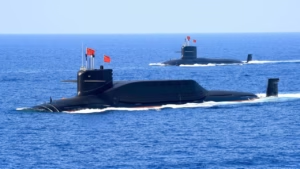
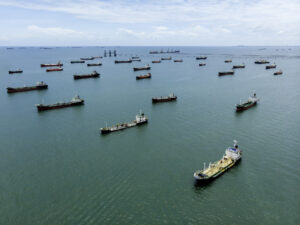
Western navies have dedicated significant resources to patrolling these zones over the last several months. They use advanced destroyers and surveillance aircraft to monitor potential threats to merchant ships. Despite these efforts, many shipping companies continue to reroute their vessels around the southern tip of Africa.
Rerouting ships adds thousands of miles to every journey between Asia, Europe, and North America. This change significantly increases fuel costs and causes major delays in global supply chains. Consumers eventually feel the impact of these disruptions through higher prices for energy and imported goods.
International analysts suggest that naval power alone may not be enough to solve the current maritime crisis. De-escalating regional tensions through diplomatic channels appears increasingly necessary to ensure long-term stability. However, reaching a political consensus among the involved nations remains a difficult and elusive goal.
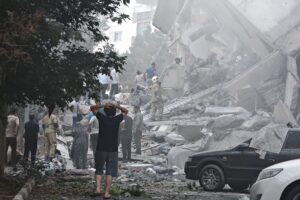
Recent attacks on tankers have already caused insurance premiums for shipping companies to soar to historic highs. Some insurers now refuse to cover vessels traveling through the most dangerous parts of the Gulf. This lack of financial protection forces many operators to avoid the region entirely.
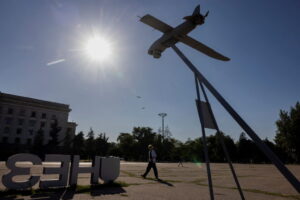
Military experts point out that the threat environment has evolved rapidly in just a few short years. Cheap drones and precision-guided munitions now allow smaller actors to challenge the world’s most powerful navies. These technological shifts have fundamentally changed the requirements for effective maritime escort missions.
Energy markets remain on high alert as the situation continues to develop in the Middle East. Traders closely monitor every naval movement and political statement for signs of further escalation or potential relief. The coming weeks will be critical for determining the future of global maritime trade and energy security.